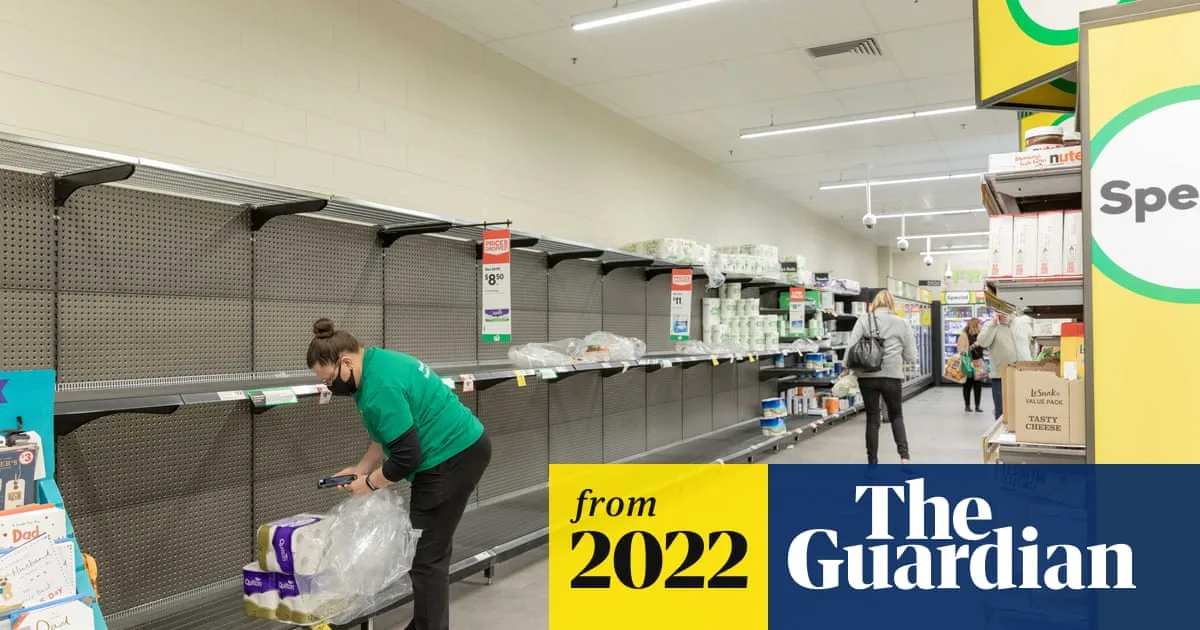
Supermarket shelves in Australia are once again emptying as staff shortages due to Covid-19 illness and isolation compound ongoing supply chain issues. The nation surpassed 500,000 Covid cases since the pandemic began on Tuesday, with daily case numbers continuing to rise, forcing tens of thousands into quarantine and close contacts into isolation.
The Transport Workers Union reported that between a third and a half of Australia's transport workers are absent daily, disrupting supply to supermarkets. Major retailers including Woolworths, Coles, and Aldi are experiencing shortages of fruit, vegetables, and meat. Union national secretary Michael Kaine noted that they had written to Prime Minister Scott Morrison in October requesting rapid tests for transport workers to keep drivers on the road, but drivers delivering tests cannot access them themselves.
Woolworths apologised for product shortages, citing Covid absenteeism at distribution centres, particularly in Sydney. A spokesperson said they are working to replenish stores as quickly as possible. Coles also apologised, attributing issues to increased team members isolating due to household exposure while awaiting test results, as well as a lack of shipping pallets and transport capacity. A global timber shortage has contributed to the pallet shortage, compounded by Covid-related factory closures overseas, rising local freight costs, and a looming shortage of urea, a critical diesel fuel component.

An Aldi spokesperson said Covid is adding pressure to their supply chain but they are minimising disruption with stringent Covid-safe plans, including rapid antigen testing. Shoppers have reported shortages of fresh produce, meat, and toilet paper, distinct from the shortage of rapid antigen tests, which stems from a lack of supply.