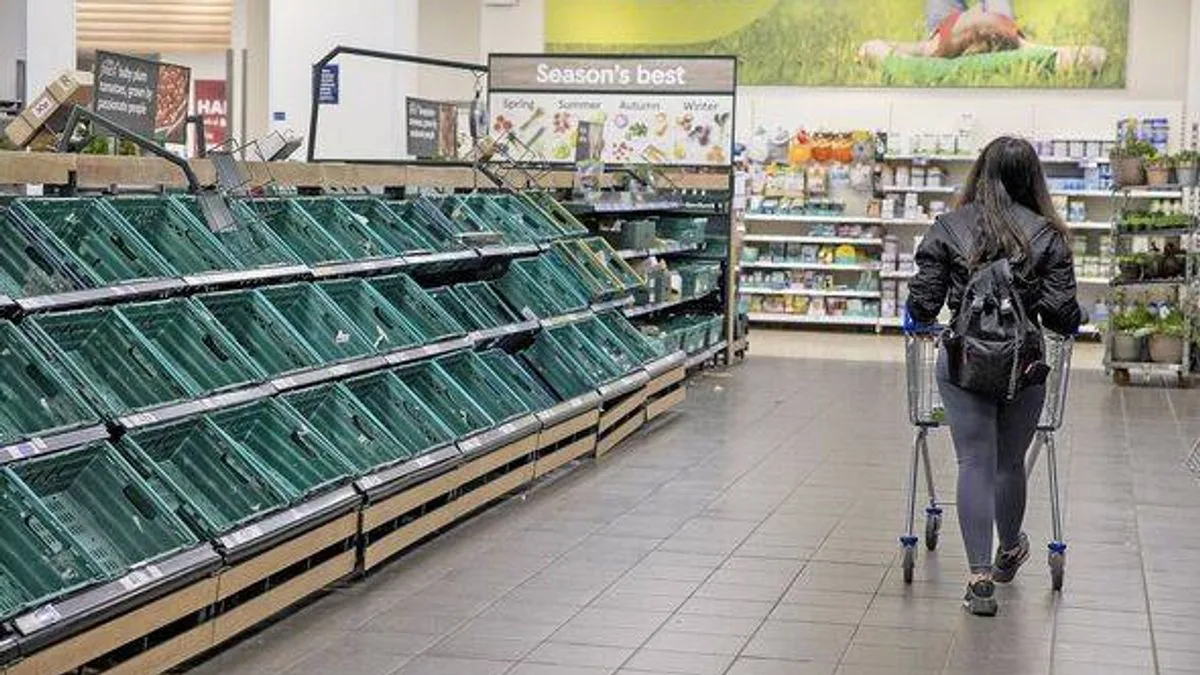
Experts warn that climate change and rising costs could lead to the disappearance of 115 food products from UK supermarket shelves within the next decade. Key items such as chocolate, coffee, avocados, and certain vegetables are already facing shortages due to extreme weather events and shifting growing conditions.
Chocolate is currently in crisis after West African countries, which produce 70% of the world's cocoa, suffered poor harvests due to heat, heavy rainfall, and disease. The average price of chocolate has surged by more than 10% over the past five years. For example, a 100g Lindt Gold Bunny Milk Chocolate has risen from £2.99 to £4.25, and could cost £6.04 by 2030 if trends continue.
Broccoli, cauliflower, and other brassica vegetables are expected to be in short supply in the coming weeks due to an unusually mild autumn and winter. This shortage will overlap with the traditional 'hungry gap' from April to June. Hannah Croft, an agronomist at Riverford, has warned customers to expect 'tight periods for broccoli supply later this spring'.

Coffee is also on the 'endangered' list, according to Dr Morgaine Gaye, a food futurologist. Rising temperatures and shifting rainfall patterns are threatening the 'bean belt' regions in Brazil, South America, and Africa. Many farmers are moving to higher elevations or switching crops, potentially reducing coffee availability.
British fish stocks are also under threat. Tony Talbot, a fisherman and oyster farmer from Clacton, reports a staggering decline in species such as Dover sole, sea bass, and lobsters in the Thames Estuary. He attributes this to increasingly wet weather causing nitrogen runoff and algal blooms, endangering his livelihood.
The fragility of the food supply was highlighted in spring 2023 when unseasonably cold weather in the Mediterranean led to shortages of cucumbers, tomatoes, and lettuce. Experts predict these disruptions will become more frequent as the climate continues to change.