
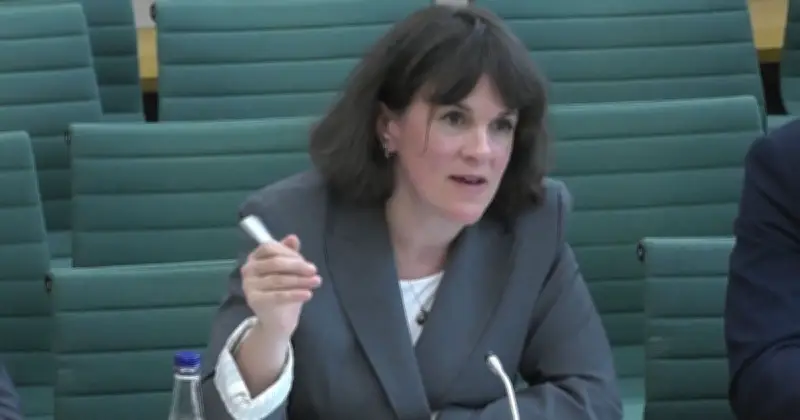
Treasury minister Rachel Blake has issued an update after MPs raised concerns about “serious confusion” surrounding upcoming changes to ISA allowances. The government has yet to publish crucial details about how the new tax rules will operate, despite the new regime being scheduled to take effect in less than a year.
Background on ISA Allowance Changes
At the Autumn Budget 2025, Labour announced that the ISA allowance would be tightened. Under current rules, savers can deposit up to £20,000 each tax year into ISAs and divide this allowance between cash ISAs and stocks and shares ISAs as they wish. However, from April 2027, only £12,000 of the allowance can be used freely, while the remaining £8,000 will be restricted to investments and cannot be used for cash deposits. Savers aged 65 and over will be exempt from these changes and will retain the current allowance.
The government also stated it would introduce measures to prevent people from holding “cash-like” ISA deposits in stocks and shares ISAs. HMRC previously outlined rules to avoid circumvention of the lower cash ISA limit, including:
- No transfers from stocks and shares ISAs and Innovative Finance ISAs to cash ISAs
- Tests to determine whether an investment is eligible for a stocks and shares ISA or is “cash-like”
- A charge on any interest paid on cash held in a stocks and shares or Innovative Finance ISA
However, the fine details of how these rules will be implemented have not yet been published.
Treasury Committee Grilling
At a recent Treasury Committee meeting, chair Meg Hillier demanded answers from ministers. She highlighted “serious confusion” about what happens to dividends from stocks and shares ISAs and how to define money held in cash-like investment ISAs. “We are in June already and this is supposed to be coming in next April,” she said.
Economic Secretary Rachel Blake acknowledged the problem, stating: “I recognise the problem. We will be coming to you soon with the next steps on this. I appreciate that is not what you want to hear and perhaps may not be sufficient.”
Ms Hillier was not satisfied, questioning whether the government had foreseen these issues before introducing the changes. Ms Blake assured that the issue had been anticipated and that more details were “imminent”.
Dan Rusbridge, deputy director of the personal finances and funds team at HM Treasury, provided further responses. He explained that the ISA allowance changes were part of a “package of measures” to encourage UK savers to invest. On the unresolved issue of cash-like holdings, he said: “There are questions about how we treat cash-like investments—things that are a bit like cash but are different, such as money market funds—to reflect that they are now an increasing part of people’s investment portfolios. Trying to square that circle has been a tricky policy challenge. We will be coming out with details on that very soon.”
When pressed on whether “very soon” meant before summer or autumn, he confirmed: “Certainly before that. It will be very soon.”
Rumours of a 22% Tax Rate
Ms Hillier also raised concerns about suggestions that a 22% tax rate could be applied to cash-like deposits in a stocks and shares ISA. She described this as “very confusing” for savers who might unknowingly face such a charge. Ms Blake dismissed the talk as “just rumours” and stated that the government had “no plans to tax interest or dividends”. Mr Rusbridge reiterated that the government would provide precise details on the rules “very soon” to ensure ISA managers are ready for the changes in April next year.




