Paddington Terrace's $3.25m Sale Exposes Australia's Deepening Housing Divide
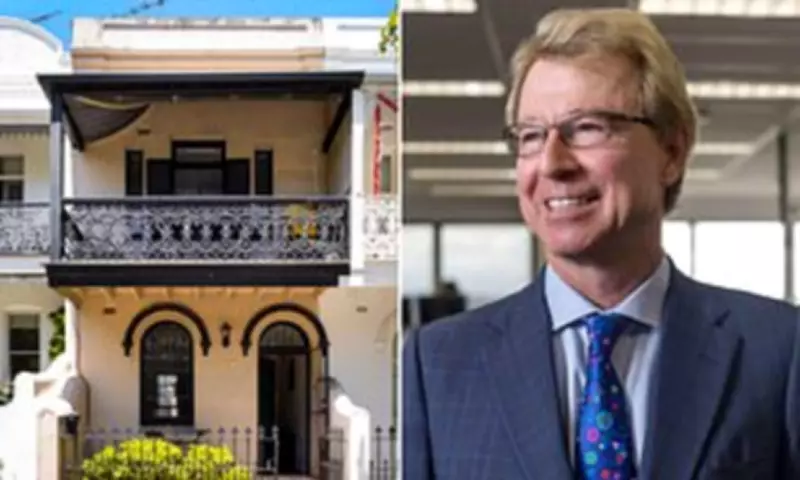
A modest two-bedroom Victorian terrace home on Hargrave Street in Paddington has sold for an astonishing $3.25 million, becoming a potent symbol of Australia's escalating generational housing crisis. This sale price represents more than 116 times the $28,000 that vendor Neil Wilson paid for the property back in 1971.
'Crazy' Investment Now Worth Millions
Neil Wilson purchased the classic terrace as an investment property before relocating overseas for work. 'I paid $28,000 and had to take a second mortgage at 9 per cent interest,' Wilson revealed to the Australian Financial Review. At the time, he recalled people telling him he was 'crazy' because they believed the Paddington property boom had already ended.
When adjusted for wage growth, the transformation becomes even more dramatic. In 1971, with the average Australian earning approximately $5,000 annually, Wilson's $28,000 purchase equated to roughly five to six years of salary. Today, with the property selling for $3.25 million and average full-time wages sitting just above $100,000, that same home now requires around 30 years of income – highlighting how housing affordability has deteriorated over five decades.

Market Transformation and Current Cooling Signs
The Paddington market that skeptics once doubted has transformed beyond recognition, with the current median house price in the suburb now standing at $3.65 million. However, there are emerging signs that rising interest rates are beginning to cool conditions across Australian cities.
AMP chief economist Shane Oliver noted that home prices have stalled in Sydney and Melbourne, while Brisbane, Adelaide and Perth continue to see strong growth – albeit with some slowing momentum since late last year. 'The broad picture remains one of a slowing in price gains since October as the February rate hike and talk of more to come along with poor affordability is increasingly biting,' Oliver explained.
He warned that if rates rise significantly further, home prices could potentially fall. 'The buying capacity of home buyers will remain well below the levels seen in 2021-22, and may even start to fall again, at a time when home prices are 15 to 20 per cent above their 2021-22 high. This will limit the upside in property prices.'
Regional Variations and Economic Factors
CoreLogic research director Tim Lawless observed that Sydney and Melbourne have shown less resilience to the February rate hike compared to other capitals. 'The clear slowdown in housing conditions across Sydney and Melbourne could signal an easing in growth conditions elsewhere down the track,' he cautioned.
Lawless noted that vendors in these cities appear more motivated, possibly seeking to sell before further softening in market conditions as clearance rates ease and demand slows.
Tax Policy Concerns and On-the-Ground Reality
Ray White chief economist Nerida Conisbee raised concerns about potential changes to the Capital Gains Tax discount for investors ahead of the May Budget. 'Last time it was up for discussion ahead of the 2019 federal election we saw a massive decline in the number of properties being listed and sold,' she warned, suggesting similar transaction drops could occur if changes appear imminent.
On the ground, selling agent Sebastian Maxwell of Laing & Simmons reported that while prices remain strong, the rising cash rate has begun affecting buyer behavior. 'Last year when rates were trending down, we were seeing 10 to 15 groups through an open house. Now if we see eight to 10 groups, that's a good open,' Maxwell observed, indicating reduced buyer enthusiasm.
Future Scenarios for Australian Property
Shane Oliver outlined several potential scenarios for the property market. More rate hikes, a sharply rising unemployment trend, and a significant slowing in net migration could result in a resumption of property price falls. Conversely, a resumption of rate cuts combined with faster-than-expected population growth could drive stronger price increases.

The Paddington terrace's journey from $28,000 to $3.25 million over 52 years serves as a microcosm of Australia's housing affordability crisis, illustrating how dramatically the relationship between income and property prices has shifted across generations.