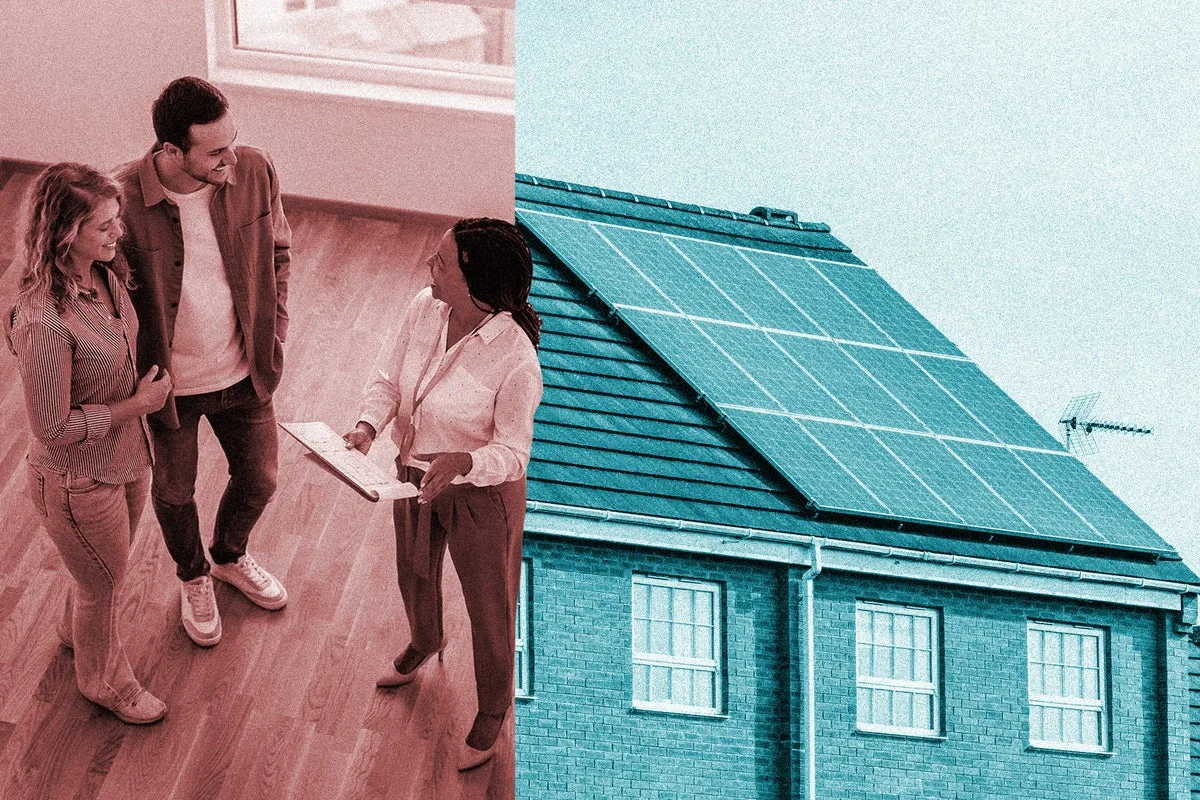
For an increasing number of house hunters in the UK, viewing a property with solar panels is now a common experience. With more than 1.5 million homes generating their own electricity, these systems promise lower bills and a greener lifestyle. However, experts warn that they also introduce a new layer of complexity to the conveyancing process, making thorough checks vital before any offer is made.
Essential Pre-Purchase Checks for Solar Systems
According to Manan Shah, a solar expert with installer Solar4Good, prospective buyers must conduct careful due diligence. "When buying a home with solar panels already installed, it’s important to do some due diligence before signing anything," he advises. The key is to understand the system's age, condition, and legal status to secure its benefits and avoid future financial pitfalls.
First, establish the system's age and performance. Solar panels typically have a lifespan of 25 years or more, but their efficiency can degrade. Request the installation date and look for any visible damage, shading, or corrosion. Crucially, ask for access to online generation reports to verify current output. Shah highlights a common oversight: "Inverters typically last eight to 12 years. So check if it’s due for replacement soon." The potential cost of a new inverter should be factored into your budget for older systems.
Paperwork, Ownership and Financial Implications
The correct documentation is non-negotiable. Missing paperwork can prevent access to government payments and raise red flags with insurers or mortgage lenders. Shah recommends securing several key documents from the seller or the original installer early in the buying process.
The essential paperwork includes:
- The MCS Certificate, proving compliance with UK Microgeneration Certification Scheme standards.
- The DNO approval letter from the local Distribution Network Operator.
- An electrical installation certificate for safety compliance.
- Valid warranties for panels and inverters, and confirmation they are transferable.
- Clear proof of ownership to confirm if the panels are owned outright or leased.
- Building Control approval, particularly for older installations.
Clarifying ownership is perhaps the most critical step. If the panels are owned outright, the new homeowner receives all energy savings and any legacy Feed-in Tariff (FiT) payments. However, if they are leased, a third party owns the system and collects the FiT income, which can complicate future sales, refinancing, and insurance. For systems installed before March 2019, check the original FiT paperwork to see if payments can be transferred.
Mortgages, Insurance and Post-Purchase Steps
While owned solar panels generally boost a property's value and Energy Performance Certificate (EPC) rating, lenders may be wary of leased systems. Always disclose any solar agreement to your mortgage provider immediately to prevent delays.
Before completing the purchase, confirm the panels are included in the home insurance policy and that the roof's structure has been assessed. Poor installation can lead to leaks, so ensure weatherproof flashing was used. After moving in, Shah advises homeowners to "schedule a professional inspection to check inverter performance, cabling, and panel output." Annual cleaning helps maintain efficiency, and warranties must be formally transferred within a set period, often 30-60 days.
For older systems, consider upgrades like a modern hybrid inverter or adding a battery to increase self-consumption, but evaluate the payback time carefully. If the panels are already on a profitable FiT scheme, leaving them unchanged may be the wisest financial choice.
In summary, purchasing a home with solar panels can be a bright investment, offering immediate energy savings and environmental benefits. Yet, as Manan Shah concludes, "Solar panels can be a huge benefit for new homeowners, but only if you know exactly what you’re getting." Success hinges on meticulous checks of ownership, condition, and paperwork before you commit.




