

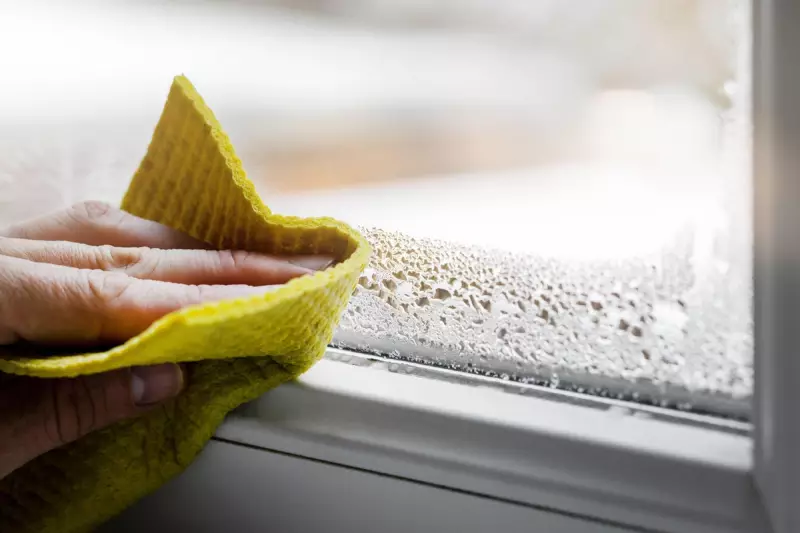
As the mercury plummets across the United Kingdom, a familiar and frustrating sight returns for countless homeowners: windows streaming with condensation. This winter phenomenon occurs when warm, moisture-laden indoor air meets the cold surface of a windowpane, causing water droplets to form. While a little morning mist might seem harmless, persistent condensation can damage window frames, encourage mould growth, and create an unhealthy living environment.
Understanding the Winter Condensation Problem
The core issue is a simple clash of temperatures. During a cold spell, your windows become one of the coldest surfaces in your home. Meanwhile, everyday activities like showering, cooking, and even breathing release significant moisture into the air. With heating on and homes sealed tight for warmth, this humid air has nowhere to escape, settling as condensation on the coldest available surface—typically the glass.
Jeff Meyer, an Energy Writer, highlighted this seasonal challenge on Tuesday 2 December 2025, noting that while some condensation is normal, ongoing dampness signals a need for action.

Is Condensation Damaging Your Windows?
A brief morning fog on your panes is usually nothing to worry about, especially in older properties. However, consistent moisture poses real risks. Timber window frames can absorb water, leading to swelling, peeling paint, and eventual rot. Damp window sills and surrounding walls become breeding grounds for black mould, which can impact air quality and health.
One specific type of condensation indicates a window failure: misting or fogging trapped between the panes of a double-glazed unit. This means the sealed unit's integrity has failed, allowing the insulating gas to escape. In this case, the only solution is to replace the sealed unit itself.
Quick Fixes for Immediate Relief
When you're faced with dripping windows, these steps can provide fast, temporary relief by managing the moisture already present:
- Wipe down windows each morning using a microfibre cloth or a specialised window vacuum to prevent water soaking into frames.
- Practice 'shock ventilation' by opening windows wide for short, five-minute bursts to replace humid indoor air with drier outside air.
- Use extractor fans in kitchens and bathrooms during and for 15–20 minutes after cooking or showering.
- Keep internal doors closed to stop moist air from spreading to cooler rooms where it will condense more readily.
- Ensure furniture isn't pushed right against external walls, as this creates cold spots where moisture can gather.
Long-Term Solutions to Stop Condensation for Good
To tackle the root causes—excess humidity, cold surfaces, and poor airflow—more permanent strategies are required.
Improving ventilation is crucial. Keep trickle vents on your windows open, even in winter, to allow a constant, gentle air exchange. Consider installing a whole-house ventilation system like Positive Input Ventilation (PIV), which actively reduces moisture buildup.
Actively reduce indoor humidity. Avoid drying laundry indoors where possible. If you must, ensure the room is very well ventilated. Using a dehumidifier in problem areas like bedrooms and kitchens can effectively control moisture levels. Maintaining a consistent, background level of heating helps keep surfaces warmer, giving condensation fewer places to form.
Upgrade your glazing and insulation. Older single-glazed windows are major culprits. Modern, energy-efficient A-rated double glazing keeps the interior pane much warmer, drastically reducing condensation. Improving wall and loft insulation also helps maintain stable indoor temperatures, but must be paired with good ventilation to avoid trapping damp air inside.
When Condensation Signals a Bigger Issue
If you notice persistent black mould that returns after cleaning, damp patches on walls, or a musty smell, the problem may extend beyond simple surface condensation. Structural issues like leaking gutters, cracked render, or damaged pointing can allow penetrating damp. In older homes with solid walls, rising damp may also be a factor.

If quick fixes and improved ventilation make no difference, or if you suspect a failed double-glazed seal, it is wise to seek professional advice from a damp specialist or qualified window installer to diagnose and treat the underlying cause effectively.





