Britain's Smallest House: A Historical Gem in Conwy
Owning the smallest house in Britain is a unique privilege filled with rich history and ongoing responsibilities. Jan Tyley, the current owner, inherited this remarkable property in Conwy, Wales, from her mother's cousin back in 2015. Over a decade later, she manages a thriving small business centered around this tiny abode, which continues to captivate tourists from around the globe.
A Record-Breaking Dwelling
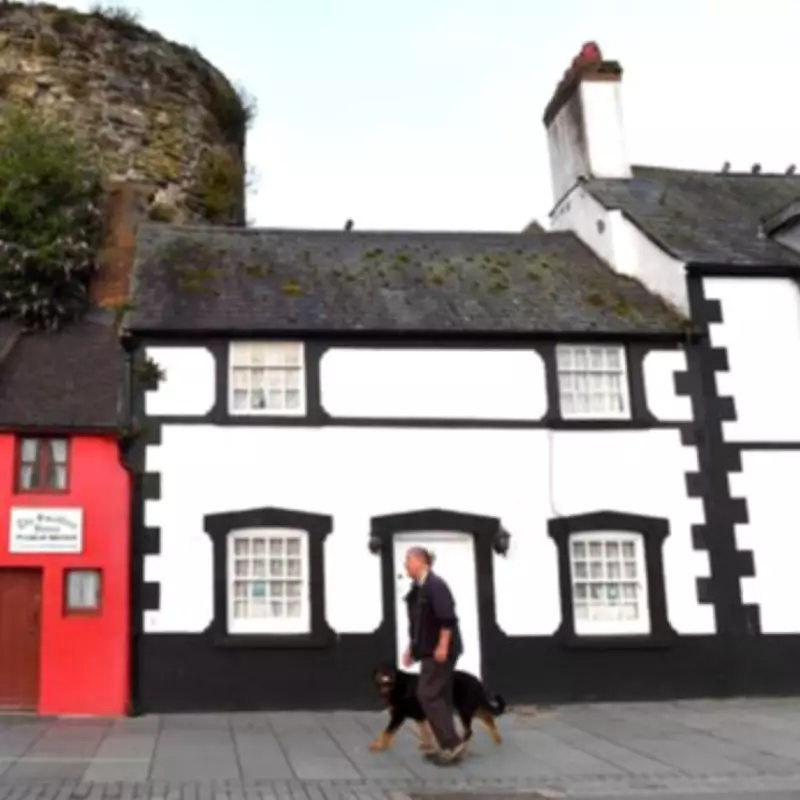
Measuring a mere 72 inches in width and 122 inches in height, this little red house holds the official Guinness World Record as the smallest house in the British Isles. Each year, it attracts approximately 50,000 to 60,000 visitors, drawn by its unusual dimensions and storied past. The origins of the property trace back to Jan's great-great-grandfather, who purchased it in 1891 for a modest sum of £20 as a letting property with a sitting tenant.
Jan shared an amusing anecdote: "He was called Robert Jones, and the sitting tenant was also named Robert Jones, which has caused considerable confusion over the years." This coincidence adds to the quirky charm of the house's history.

Tenants and Historical Context
The last tenant, Robert Jones, was a fisherman standing six feet three inches tall. He resided there until 1899, when the local council deemed the house unfit for human habitation due to its cramped conditions. Jan, who is 5'7", humorously noted, "I have to duck to go in, and I frequently forget to come out again. So you can imagine what a sore back he must have had." The property lacked a private toilet, sharing facilities with neighboring cottages, leading authorities to threaten demolition.
Faced with this challenge, the landlord sought advice from friends, including Roger Dawson, editor of the North Wales Weekly News. Dawson suggested it might be the smallest house in the country, sparking a nationwide quest to measure other homes. After advertising their pursuit in newspapers, the council relented, allowing the house to remain but prohibiting residency. In May 1900, it was transformed into a tourist attraction, a decision that has sustained its legacy ever since.
Dark Realities Behind the Tiny Home
While the house is now a source of amusement and curiosity, its historical significance reveals a darker side. Jan explained, "It's a real testament to the shortage of property in Conwy and how people wanted to live in a house of their own, because sadly the alternative was a poorhouse." When Robert Jones was forced to vacate, he ended up in a poorhouse, where he later died. During the 18th and 19th centuries, Welsh poorhouses were grim institutions with prison-like conditions designed to deter the needy.
Shockingly, records indicate that a family of six once lived in this tiny space—a mother, father, and four children. The children's beds were believed to be hammocks hooked onto the walls between beams, highlighting the extreme measures families took to avoid destitution.
Modern-Day Operations and Unusual Requests
Today, the house remains under Jan's ownership, with no immediate threats from the council. It operates as a popular tourist attraction, open seven days a week from March to winter, from 10 am to 4 pm. Jan manages a team of eight assistants who handle daily shifts, though she lives about half an hour away after relocating from Oxford to oversee the property.
In recent years, Jan has noticed a peculiar trend: numerous YouTubers request to stay overnight to experience life as it was in the 1800s and share their adventures online. "I've had lots of YouTubers who say, 'Oh, can we stay the night?' and they think they're the first one to think about it. Except, I probably get three or four of them a year," she remarked.
The interior is preserved as it was when last inhabited in 1900, though being open to the public has led to some items going missing over time. Despite this, Jan remains amazed by the global interest. "It never ceases to surprise me how many people come to see it each year and from all over the world, which is amazing. We probably could get more visitors if we were bigger, but then that wouldn't be the point," she concluded.