
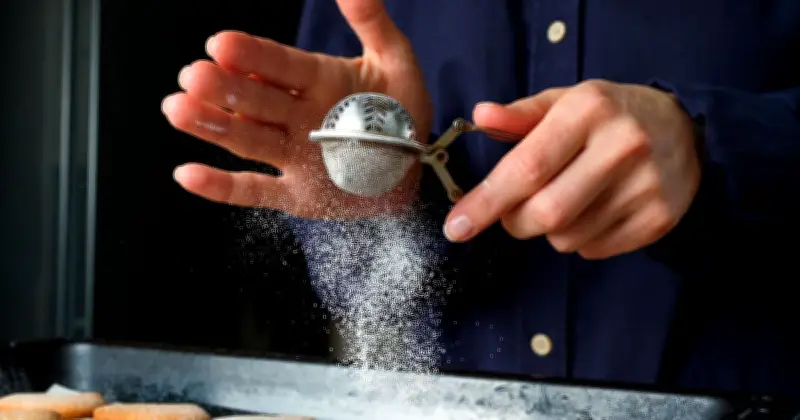
Sugar comes in a variety of forms, and you could be forgiven for not knowing the difference between them and where they work best in recipes. Sugar is processed in various ways, producing different sized granules.
If you're a veteran freestyling home cook, you'll be familiar with the experience of scouring your cupboards to find something - anything - to whip up an edible meal with. Modern recipe books incorporate all sorts of ingredients, and working out whether you've got the exact thing, or an equivalent, for your makeshift dish is all part of the challenge.
Baking sweet treats often requires a bit of sugar, and you could be forgiven for not knowing the difference between the different varieties of it you'll find at home or in the supermarket, and what role they play in recipes. Granulated sugar is the most common form of sugar, and it's used in everything from cooking to sweetening up a cuppa.
Caster Sugar
Caster sugar is merely a more finely granulated variety than regular sugar, allowing it to quickly dissolve when you mix it with butter, and get those restaurant-quality, fluffy and airy bakes.
Icing Sugar
The icing sugar that cooks sprinkle over the top of a freshly made cinnamon roll or croissant is much more finely ground than caster sugar, with the granules pulverised into a soft powder. However, unlike granulated and caster sugar, it also usually contains a small amount of starch (normally cornflour) to prevent the microscopic crystals from clumping together in the bag.
You can get pure icing sugar that’s free from anti-caking agents, avoiding any subtle impact on the flavour. It's used for glazes and decorations that need to be set more firmly than you can with the regular kind. However, the lack of starch makes the sugar highly sensitive to moisture. Bags of it are prone to clumping, meaning they may need to be sifted before use. But it’s sold in vacuum-packed bags that reduce the risk of the sugar becoming thick and compacted.




