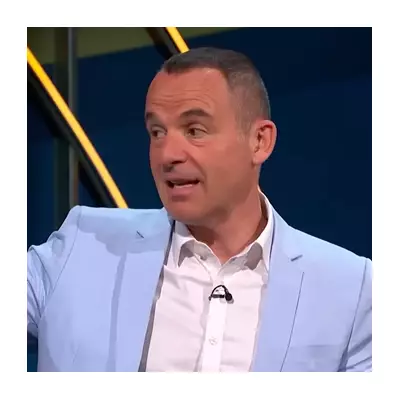
Consumer champion Martin Lewis has taken to the airwaves to demystify significant upcoming changes to Individual Savings Accounts (ISAs), aiming to cut through the confusion for UK savers.
The Major ISA Shake-Up From April 2027
During a recent episode of The Martin Lewis Money Show Live on ITV, the founder of MoneySavingExpert.com laid out the reforms first announced in the Budget. The key change is that from April 2027, the amount you can save into a cash ISA each tax year will be reduced for most people.
Anyone under the age of 65 will see their annual cash ISA allowance slashed from £20,000 to £12,000. However, Lewis was keen to stress that the overall ISA subscription limit is not being cut. It will remain at £20,000 per year.
"The ISA limit is £20,000 and will remain at £20,000 even for under-65s after 2027," Lewis explained. "This means you can put £20,000 in a shares ISA, you could also choose to put some in cash."
How the New ISA Allowance Will Work
Lewis provided a clear example of how the new system will function. The £20,000 total becomes a shared pot between cash and stocks & shares ISAs.
"Let’s say you put £1,000 in cash, well that reduces the amount you can put in shares by £1,000, because it still has the total of £20,000," he said. "You can do that all the way up from 2027 to £12,000. So you could have £12,000 in cash, and £8,000 in shares."
He also clarified that you are not forced to invest in shares. Savers can simply choose to put up to £12,000 into a cash ISA and use none of their allowance for investments. Crucially, this rule only impacts new money paid in from April 2027, not existing ISA savings.
Why a Clever Workaround Has Been Blocked
A viewer named Jane proposed a potential loophole during the show. She asked if one could open both a stocks and shares ISA with £8,000 and a cash ISA with £12,000, then immediately transfer the shares ISA into the cash ISA, effectively circumventing the new £12,000 cash limit.
Martin Lewis confirmed the Treasury had anticipated this move. "Isn’t that a clever workaround? Unfortunately, the Treasury is just as clever," he stated. "They have said - this is a consultation - that from 2027, you will not be allowed to do a transfer from a shares ISA to a cash ISA." This measure is designed to prevent savers from bypassing the new cash ISA cap.
Rising Tax Rates on Non-ISA Savings
Beyond ISAs, Lewis also highlighted forthcoming changes to the tax paid on savings interest held in ordinary accounts. From April 2027, the rates of tax applied above your Personal Savings Allowance are set to increase.
Currently, basic-rate taxpayers can earn £1,000 in savings interest tax-free. Interest above this is taxed at 20%. This rate will rise to 22%. For higher-rate taxpayers, the allowance is £500, with a 40% tax rate on excess interest, which will increase to 42%.
Additional-rate taxpayers, who receive no Personal Savings Allowance and pay 45% tax on all savings interest, will see their rate jump to 47%. These hikes make the tax-free status of ISAs even more valuable for savers with larger pots.
Martin Lewis's breakdown serves as an early warning for savers to review their long-term financial plans. With the changes not coming into force until the 2027/28 tax year, there is time to adjust strategies, but understanding the new landscape is the essential first step.