

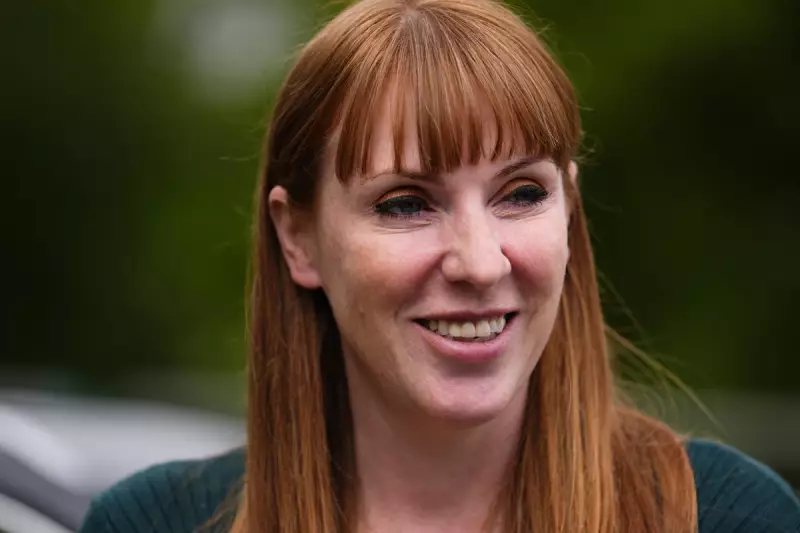
Angela Rayner is set to spearhead a push to accelerate part of the government's flagship workers' rights legislation, following a significant concession that saw the removal of a day-one protection against unfair dismissal.
Backbench Move to Fast-Track Protections
The former deputy prime minister, alongside former minister Justin Madders, plans to table an amendment this week. It will seek to ensure that a reduced qualifying period for unfair dismissal claims takes effect from 2026, not 2027 as currently scheduled.
This comes after the government, amid a stand-off between the House of Commons and the House of Lords, abandoned its manifesto pledge to grant workers protection from unfair dismissal from their first day in a job. The policy was replaced with a six-month qualifying period, which is still a reduction from the current two-year requirement.

An ally of Ms Rayner stated: "As key architects of the Bill, they know it inside out. They will be spearheading efforts to ensure the best possible package of reform is delivered and implemented to an ambitious timeline."
The Argument for Faster Implementation
The pair are expected to argue that because the change now simply reduces an existing qualifying period, the lengthy timeframe originally set aside for consultation and for employers to adjust is no longer necessary. They will contend that millions of workers should not have to wait until 2027 for the enhanced job security that a six-month qualifying period would provide.
Their amendment will also push for further safeguards, including ensuring workers on zero-hour contracts are not excluded from new rights and that employers face fines for preventing trade unions from speaking to staff.
Backlash and Broader Parliamentary Efforts
The concession to peers, which followed business concerns about costs and recruitment, has sparked considerable anger among some Labour backbenchers and unions like Unite. A source reported "considerable anger" that a manifesto pledge was blocked, but also a "growing consensus" that parts of the Bill could be rolled out faster.
One Labour MP involved said: "Not only can there be no more watering down, but there is now growing appetite on the Labour benches to go further and faster in delivering tangible rights at work that people can feel in their day-to-day lives."
Separately, Labour MP Andy McDonald has tabled a motion to disagree with the Lords and restore the day-one unfair dismissal right to the Bill. He argued that the unelected upper house should not undermine a central election pledge, stating: "Unions need partners in Parliament—Labour MPs who are prepared not just to vote for the New Deal for Working People, but to defend it."
Other elements of the New Deal for Working People, including day-one rights to parental leave and sick pay, remain on track to come into force in April 2026.






