The United Kingdom is bracing for a significant escalation in food prices, as warned by a prominent farming group controlled by the Duke of Westminster. The Grosvenor Group has highlighted that global food prices are set to rise 'dramatically' due to substantial increases in fertiliser costs, which have been exacerbated by the ongoing conflict in Iran.
Fertiliser Costs Skyrocket
Since the beginning of the Iran conflict, fertiliser costs for UK farmers have surged by up to 70 per cent. This sharp increase is primarily attributed to the closure of the Strait of Hormuz, a critical maritime route for the transport of key resources. The disruption has also led to jumps in fuel prices, further straining agricultural operations.
Impact on Supermarkets and Consumers
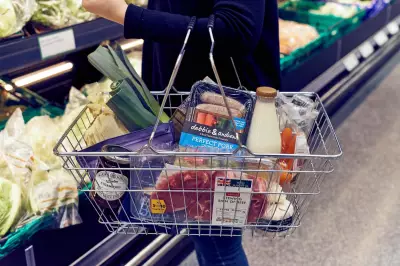
The British Retail Consortium (BRC) has cautioned that supermarkets are currently absorbing substantial extra costs stemming from the Middle East conflict. However, the BRC anticipates that these costs will inevitably be passed on to consumers. While farmers are presently utilising older fertiliser stocks, which delays the immediate impact on store prices, the full effect of these increased costs is expected to hit next year.

Nitrogen, a key component of fertiliser, has limited alternative sources, making the supply chain particularly vulnerable. Industry bodies, including the Food and Drink Federation and the Bank of England, predict significant future food inflation. According to their forecasts, food inflation could reach 10 per cent this year and remain at 7 per cent by 2027.
Current Inflation Trends
Despite a slight decrease in shop price inflation in April, the outlook remains bleak. The combination of high fertiliser costs, fuel price increases, and broader supply chain disruptions is expected to drive up the cost of food for British households. The warning from the Grosvenor Group underscores the severity of the situation, as the UK faces what could be one of the most challenging periods for food affordability in recent history.