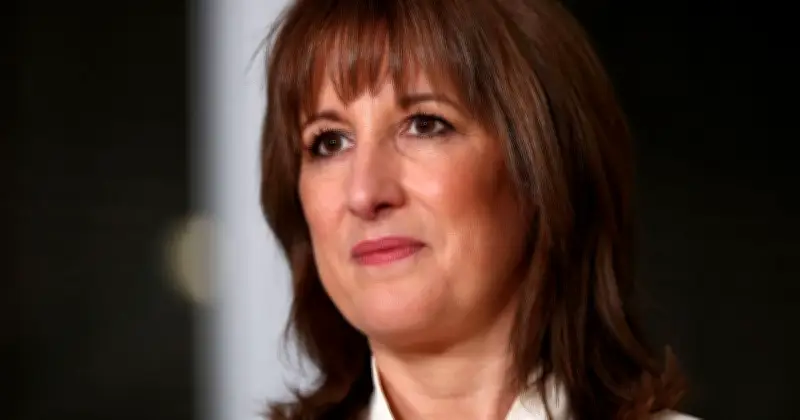
Chancellor Rachel Reeves is steering Britain toward economic catastrophe, with a grim figure revealing that nearly 300,000 UK businesses failed in 2025, according to insolvency practitioner Liquidation Centre. This represents almost one in every twenty firms, highlighting the severe strain on the economy under her leadership.
Denby Pottery: A Symbol of Decline
A solemn applause echoed across a factory floor in the East Midlands as a trolley of product was wheeled for the final time. Denby Pottery, a 217-year-old Derbyshire company with global appeal, appointed administrators on March 31 after failing to secure investment. The pottery, which sold to customers in South Korea, Canada, and beyond, received a guard of honour at the kiln by employees. A petition for energy-intensive industry relief for ceramics, aiming to cut soaring industrial energy costs, has gathered over 100,000 signatures and is being considered for debate by MPs.
Denby’s closure is a stark example of British manufacturing struggling under Reeves’ tenure. The Chancellor must hear about these struggles firsthand when the debate occurs.
Rising Business Closures
Data shows 220,490 UK businesses closed in the year leading to Q3 2025, grappling with rising operating costs, weaker consumer confidence, and economic uncertainty. Forecasts suggest up to 289,000 businesses could fail in 2026, indicating sustained pressure. While macroeconomic factors like the Middle East war and high energy costs play a role, Reeves cannot rely solely on these excuses.
Labour’s Broken Promises
During the 2024 General Election, Labour figures repeatedly promised growth. Reeves pitched herself as business-friendly, but after taking office, she announced higher National Insurance contributions for employers, effectively taxing jobs. This contradicted her pro-growth stance. A year later, she increased the minimum wage, further raising employment costs. A British Retail Consortium survey in February revealed retailers planned to cut staff hours and jobs.
Steven Mulholland, CEO of the Construction Plant-hire Association, told the Express that firms face rising costs, skills shortages, higher NI, and inheritance tax reforms. The hospitality industry has begged Reeves for relief. Former Cabinet colleague Wes Streeting suggested cutting employers' NI could boost youth hiring.
Welfare Spending: An Untapped Resource
Total UK welfare spending reached £314.9bn in 2024/25 (10.7% of GDP), projected to rise to £408.6bn by 2030/31. Returning sickness benefits to pre-COVID levels could free funds for defence and other priorities. Conservative leader Kemi Badenoch has advocated this approach. As Margaret Thatcher noted, wealth creation through thriving businesses is essential to sustain state services. The high rate of business failures threatens regional identity and community pride, as seen with Denby. Reeves’ policies endanger Britain’s enterprise spirit and future prosperity.