

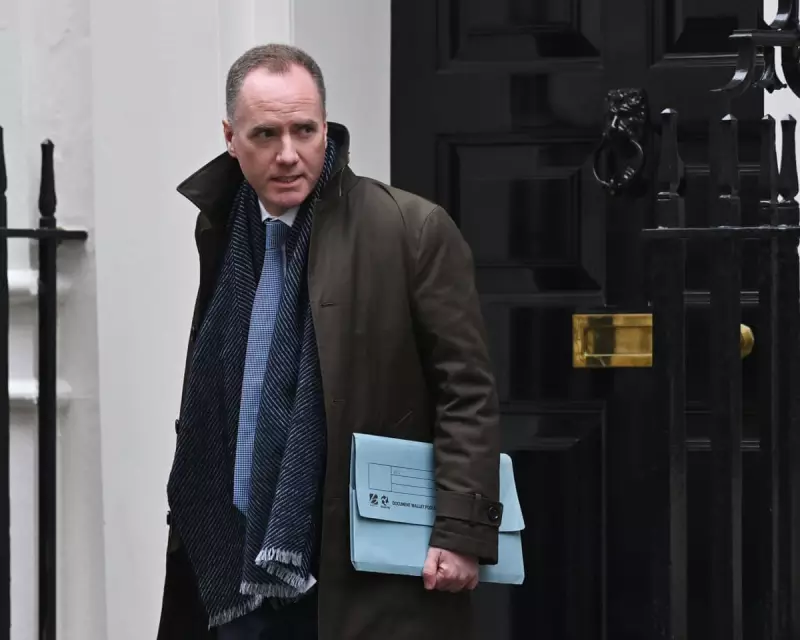
The resignation of Richard Hughes as chair of the Office for Budget Responsibility (OBR) has removed an immediate source of tension for Chancellor Rachel Reeves, but the government now faces a critical challenge to restore confidence in the UK's independent fiscal watchdog.
A Resignation Amidst a 'Leakfest'
Richard Hughes stepped down on Monday, his departure inextricably linked to the controversy surrounding the accidental early publication of the budget and the preceding torrent of unauthorised briefings. Had he not resigned, the Treasury would likely be facing intense scrutiny over the so-called 'leakfest' that marred the run-up to the fiscal event.
OBR executive member David Miles revealed to MPs on Tuesday that the leaks were so widespread and misleading that the watchdog feared for its reputation. The OBR had raised concerns privately with Treasury officials, but felt unable to respond publicly before the budget was delivered.

A Relationship Marked by 'Little Rapport'
Allies of the Chancellor have been frank about the lack of personal rapport between Reeves and Hughes, a blunt former IMF and Treasury official. This tension was emblematic of a new dynamic, as last year marked the first time a Labour government has had to work with the OBR since its creation by George Osborne in 2011.
The friction was publicly visible. In September, Chancellor Reeves argued in The Times that the OBR should 'score' her proposed youth experience scheme, pointing out it had scored the economic impact of leaving the EU. This highlighted government frustration with the watchdog's refusal to cost certain pro-growth policies and the timing of its productivity forecasts.
The Search for a Credible Successor
With a search now underway, senior economists warn that any credible candidate will demand reassurances of the OBR's future independence. Jonathan Portes of UK in a Changing Europe stated Hughes's departure was "not good for the UK in fiscal governance terms" and damaged the government's credibility.
Bank of England Governor Andrew Bailey underscored this, defending the OBR's independence principle. Potential successors include:
- Clare Lombardelli, Deputy Governor at the BoE and a long-time acquaintance of Reeves.
- Carl Emmerson, recently of the Institute for Fiscal Studies.
- Conrad Smewing, the Treasury's director of public spending.
- Senior government economist Nick Joicey, though a potential conflict exists as he is married to the Chancellor.
Whoever takes the role must be convinced they can operate without being publicly and privately second-guessed by government insiders.
Underlying Tensions and 'Wafer-Thin' Headroom
Despite the political drama, the OBR's David Miles clarified that the Chancellor was correct to highlight the precarious state of the public finances. He confirmed the fiscal 'headroom' against her rules was "wafer thin" by the forecast's end, and significant questions remain about the realism of planned tax rises and spending cuts to expand it.
Miles also directly countered a key government briefing from 14 November, when Treasury sources suggested a decision not to raise income tax was due to improved OBR forecasts. Miles told MPs this improvement "didn't exist" at that time, and such briefings risked making the process look chaotic.
As the budget dust settles, Reeves must now appoint both a new OBR chair and a chief economic adviser, all while her policies face intense political and market scrutiny. Bond investors, initially unmoved by the leaks, will be watching closely to ensure the next OBR chief possesses the necessary credibility and independence for one of Whitehall's most impossible jobs.






