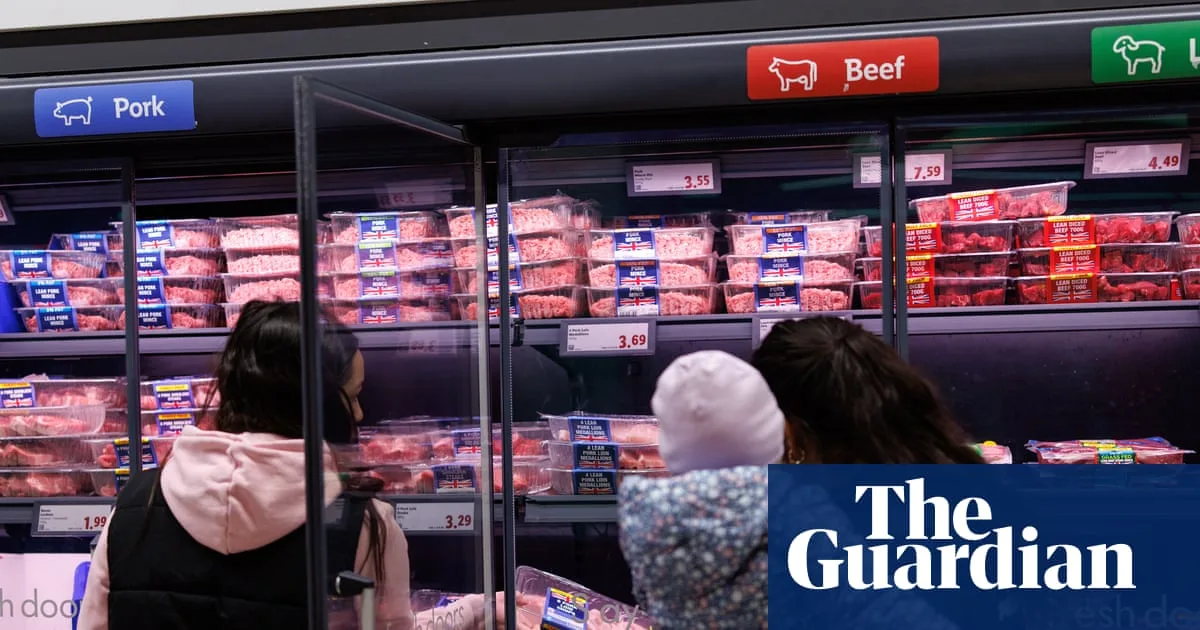
UK households have been warned that food prices are likely to continue rising, with everyday essentials such as oil and pasta already experiencing some of the steepest increases. New research from the Energy and Climate Intelligence Unit (ECIU) think tank indicates that food prices are on track to be 50% higher by November compared to levels at the start of the cost of living crisis in mid-2021.
This ‘grim milestone’ is attributed to a combination of extreme weather driven by climate change, global supply disruptions, and volatile oil and gas markets. The ongoing war in the Middle East is exerting pressure on supply chains by pushing up fuel and energy costs. Increased energy and fuel costs can impact several factors of food production, including transportation and the operation of machinery, with these extra costs typically passed down to consumers.
Impact of the Strait of Hormuz Closure
The closure of the Strait of Hormuz has also caused disruption to fertiliser supplies, which are essential for growing fruit and vegetables. According to the United Nations, approximately one-third of the world's fertilisers normally pass through the Strait. This disruption is contributing to higher production costs for farmers, which are then reflected in supermarket prices.
Already Soaring Prices
According to the analysis, the cost of staples including pasta, frozen vegetables, chocolate, eggs, and beef are already up between 50% and 64%. Olive oil has seen a staggering 113% increase, having first endured big price rises during the cost of living crisis. Other climate-impacted foods putting pressure on food inflation include butter, milk, and coffee, which are rising over four times faster than other products.
Latest inflation figures from Worldpanel by Numerator show grocery prices are currently 3.8% higher than a year ago, with households warned that the Middle East conflict has ‘not yet’ fully filtered through to supermarket shelves. The Food and Drink Federation (FDF), representing 12,000 food and drink manufacturers, has warned that food inflation could reach 9% by the end of 2026. Separately, businesses have told the Bank of England that UK food inflation could reach 7%.
Expert Warnings
Chris Jaccarini, food and farming analyst at the ECIU, said: ‘Trump’s war in the Middle East is set to drive shopping bills higher as oil and gas prices spike. Scientists are predicting 2027 to be the hottest year on record, with climate change combining with the El Nino effect kicking off this year. Three of England’s worst harvests on record have been in the past five years. Unless we get to net zero emissions to stop climate change and bring balance to the system, food prices will spiral ever further, but net zero also means burning less oil and gas, so insulating our food system from the kind of price spikes we’ve been seeing since Russia invaded Ukraine.’
Anna Taylor, executive director of the Food Foundation, added: ‘Food prices rising this high and this fast leaves families on the lowest incomes with nowhere left to cut except the food on their plate. When that happens, people skip meals, children go hungry, and diet-related illness rises – taking parents out of work and piling pressure on an NHS that can least afford it. This conflict is the latest shock in a series, and there will be more. The question for Government isn’t just how to respond to this crisis; it’s whether we’re finally going to build a food system resilient enough to withstand the next one.’
Which Items to Buy Now?
While there is no need to panic buy, shoppers may want to consider stocking up on certain items now in case prices continue to rise. We have looked at examples of food that has already gone up in price and calculated how much more it could cost if prices rise by another 50%, based on the ECIU report. This is not to say prices for these specific items will rise by this much, but rather to demonstrate a worst-case scenario increase based on average prices now.
If prices were to rise by 50%, shoppers could spend an extra £16 on these items alone. We have analysed the average price across different supermarkets, as opposed to the cheapest possible. You should only buy what you will definitely use, and items with a long shelf life or that can be frozen, to avoid food waste. Data from the Waste and Resources Action Programme (Wrap) shows the average household of four spends a whopping £1,000 each year on good food that goes in the bin and could have been eaten.
Price Examples
- Pasta: The average price of a 500g bag of supermarket own brand pasta is around 60p. If this rises by 50%, the average price could hit 90p.
- Frozen vegetables: The average price of a 1kg bag of supermarket own brand mixed frozen vegetables is about 99p. A 50% rise would bring the average to £1.49.
- Chocolate: The average price of a 200g bar of supermarket own brand chocolate is around £2.10. A 50% increase would mean an average price of £3.15.
- Eggs: The average price of a box of six supermarket own brand medium eggs is about £1.70. A 50% rise would result in an average price of £2.55.
- Beef: The average price of supermarket own brand beef is around £15 per kg. A 50% increase would bring the average to £22.50.
- Olive oil: The average price of 1L of supermarket own brand olive oil is about £6.15. A 50% rise would mean an average price of £9.20.
- Butter: The average price of a 250g block of supermarket own brand butter is around £1.99. A 50% increase would bring the average to £2.98.
- Milk: The average price of four pints of supermarket own brand milk is £1.65. A 50% rise would result in an average price of £2.46.
- Coffee: The average price of a 200g jar of supermarket own brand coffee is £2.50. A 50% increase would bring the average to £3.75.
By being strategic with purchases and avoiding waste, households can mitigate some of the financial impact of rising food prices.