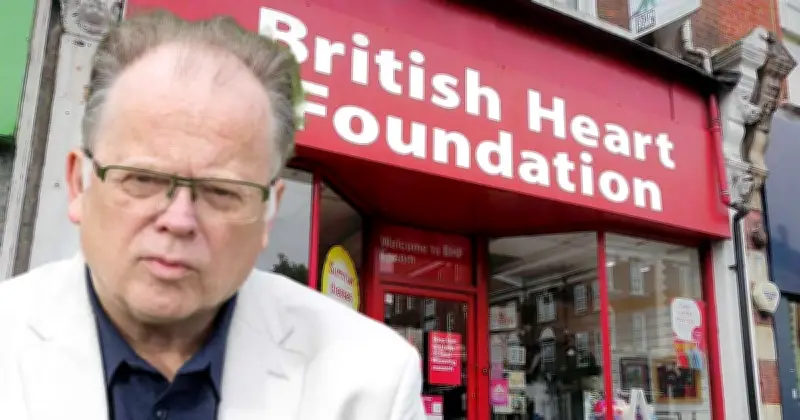
The British Heart Foundation's announcement that it will close 150 shops due to lack of profits signals a dire future for Britain's high streets, according to Tim Newark. Even with discounted business rates, charity shops are struggling under the tax and wage burden imposed by Labour, he argues.
Charity shops under pressure
Charity shops once thrived with reduced business rates, volunteer staff, and no VAT on donated goods. However, recent budgets increasing National Insurance and the minimum wage, along with rising energy bills from net-zero policies, have made them unviable. The British Heart Foundation cited an "exceptionally challenging trading environment," following Cancer Research UK's closure of 90 shops this year and plans for 100 more next year.
Broader retail malaise
The charity closures mirror wider retail struggles. Morrisons plans to close 100 stores, blaming "significant cost increases resulting from government policy choices." Food and drink companies face extra recycling charges under the Extended Producer Responsibility programme, and food inflation is predicted to reach 10% by year-end. The government's proposed price caps on groceries have been rejected by retailers, who blame government policies for rising prices.

Labour's failure to support small businesses—the bedrock of the economy—threatens to turn town centres into boarded-up wildernesses, reducing footfall and mental wellbeing. This downward spiral leads to fewer taxes for councils and central government, a result of socialist policies focused on taxing to pay benefits, as noted by cabinet minister Pat McFadden.
Margaret Thatcher's observation that "you eventually run out of other people's money" rings true. What is needed is growth to fund society, starting on the high street. Instead, uncontrolled migration has led to a boom in criminal activity, with vape shops, barbers, and convenience stores taken over by immigrant gangs selling counterfeit goods and engaging in exploitation. These illicit operations, avoiding proper rents and rates, are the final cancer destroying shopping centres.
Britain, once a nation of shopkeepers, now sees its retail talent undermined by a government that fails to spark commerce and enterprise. If charity shops are giving up, Labour must remove the barriers and burdens holding back high streets.