The Three-Second Soy Sauce Quality Test That Saves You Money
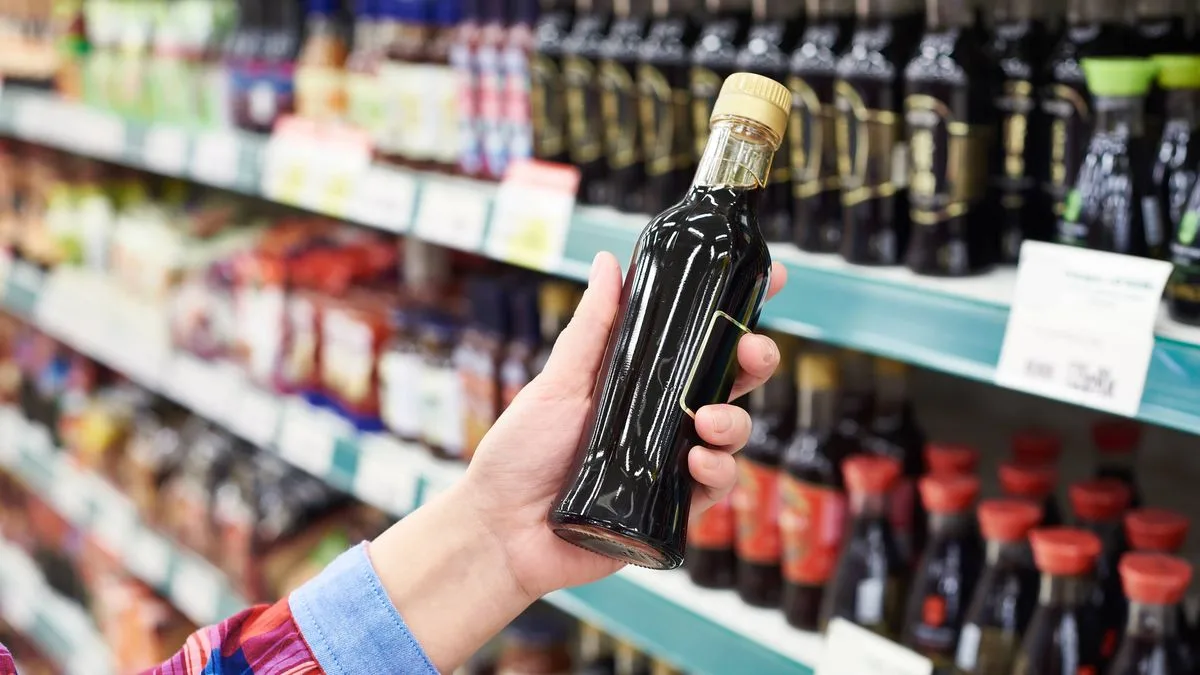
Selecting the right soy sauce from the crowded supermarket shelves can be a daunting task, but a food enthusiast has revealed a remarkably simple three-second hack to determine quality without ever opening the bottle. This quick method allows shoppers to identify superior products through a visual check that highlights the fermentation process.
The Historical Journey of Soy Sauce to British Kitchens
Soy sauce, originating from China and introduced to England via Japan in the 17th century, has become an indispensable kitchen staple across Britain. First mentioned by philosopher John Locke in 1679, this versatile condiment now enhances dishes from sushi to stir-fries with its rich, savoury flavour. Its popularity stems from both its adaptable taste profile and affordable pricing, with lighter varieties boosting flavour and darker versions adding depth of colour to culinary creations.
Paul's Viral Social Media Revelation
Food fanatic Paul shared his discovery on TikTok, explaining he uncovered this technique while researching soy sauce production methods. "Quick hack to tell if soy sauce is actually good before you even buy it," he demonstrated, vigorously shaking a bottle. "If bubbles form and linger, that's a good sign. It indicates more soy beans and excellent fermentation." He warned that absent or quickly disappearing foam typically signifies shortcuts in production, often involving watered-down, rushed processes.
In his video caption, Paul elaborated further: "Cheaper sauces usually watered down and rushed - seen by bubbles that disappear quickly." He emphasized that "good cooking starts with good ingredients," while selecting a bottle of Kikkoman soy sauce as an example of quality.
Social Media Reactions and Additional Tips
Viewers responded enthusiastically to Paul's revelation, with comments flooding in to support his method. One follower expressed relief, writing: "Love this. I've wondered about this for so long," while another confirmed: "If it's not Kikkoman, I keep browsing. Great tip though!"
Additional quality indicators emerged in the discussion, including suggestions to examine ingredient lists for simplicity—preferably containing only soybeans, wheat, water, and salt, sometimes with potassium sorbate, while avoiding caramel colouring and taste enhancers. Another commenter noted: "If you can't pronounce the name of the brand, or if the text on the package is written in more Chinese than English, it's going to be good."
Criticisms and Desires for Further Demonstration
Despite widespread appreciation, some viewers expressed disappointment that Paul didn't provide comparative demonstrations with inferior products. One comment questioned: "Why didn't you shake all the soy sauce in the shop. So proof of each soy sauce with bubbles," highlighting a desire for more comprehensive visual evidence across different brands.
This simple shaking test empowers consumers to make informed choices quickly, transforming the overwhelming supermarket aisle into a manageable selection process based on observable quality indicators rather than guesswork.