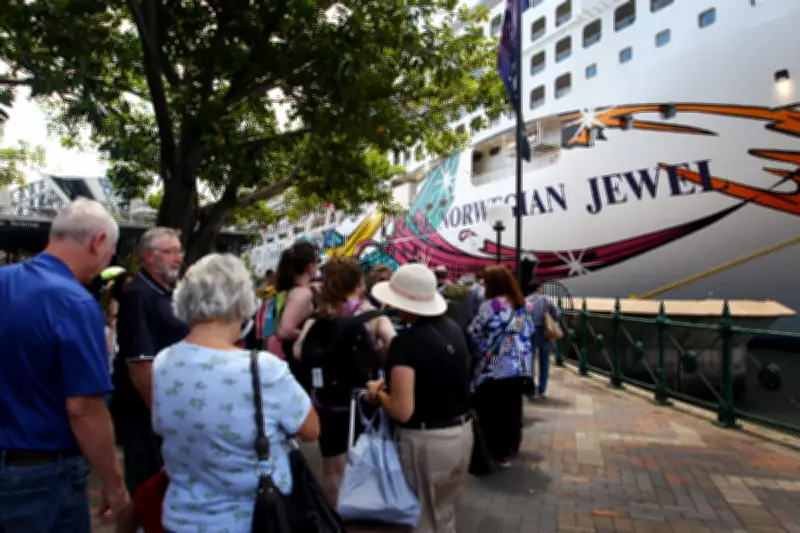
Norwegian Cruise Line has announced a significant tightening of its dress code at several premium onboard specialty dining restaurants, marking a notable shift from the ultra-relaxed, flip-flop-friendly image the company has actively promoted in recent marketing efforts. This policy change has left many passengers confused and sparked lively debate among the cruising community.
New Restrictions on Casual Attire
Under the updated policy, guests will no longer be permitted to wear items commonly associated with casual vacation wear during dinner service at select high-end dining venues. These prohibited items include men's tank tops, baseball caps, and overly faded or ripped jeans worn below the hip. The affected restaurants include Cagney's Steakhouse, Le Bistro, Onda by Scarpetta, Palomar, and The Haven Restaurant.
Norwegian has clarified that these stricter rules apply only to these specific dining rooms, while most areas of the ship will continue to allow casual attire. "Everywhere else, you're good to go," the cruise line stated. "Come comfy, dine happy." This partial implementation aims to balance formal dining expectations with the overall relaxed cruise experience.

Contradiction with Marketing Campaigns
The policy shift appears to contradict Norwegian's recent advertising campaigns, which emphasized freedom and casual comfort. The company's website prominently features its "Freestyle Cruising" philosophy, stating: "When it comes to what to wear, you can go resort casual or get decked-out and look your best — it's your call. That's the freedom of Freestyle Cruising."
This includes special "Dress-Up or Not Night" events, described as "the perfect opportunity to get your portrait taken with your family, that special someone or even with the ship's Captain." The new restrictions have led some passengers to question the consistency of the cruise line's messaging.
Mixed Reactions from Cruisers
Online discussions, particularly on Reddit forums, have revealed mixed reactions to the dress code changes. One cruiser noted: "They just did a whole ad campaign about how they were the first to do away with dress codes for dinner. It was called 'It's Different Out Here.' Now this. I guess flip-flops aren't so accepted."
Others defended the need for basic standards in dining rooms, arguing that "dress comfortably" should still maintain certain decorum. However, some pushed back, suggesting that personal attire choices, such as hoodies, do not impact other guests' experiences. One commenter from Los Angeles pointed out: "I live in Los Angeles and eat at trendy Michelin-starred or recommended places regularly. I cannot think of one that wouldn't allow a customer in shorts."
Broader Implications for Cruise Industry
This move by Norwegian Cruise Line reflects broader trends in the travel and hospitality sector, where companies are increasingly navigating the balance between casual comfort and upscale dining expectations. As cruise lines compete for passengers seeking both relaxation and luxury experiences, dress code policies become a strategic element in defining brand identity and customer satisfaction.
The Independent has reached out to Norwegian Cruise Line for further comment on the policy adjustments and their alignment with the company's overall brand strategy. The response from the cruise line and ongoing passenger feedback will likely influence how similar policies evolve across the industry in the coming months.