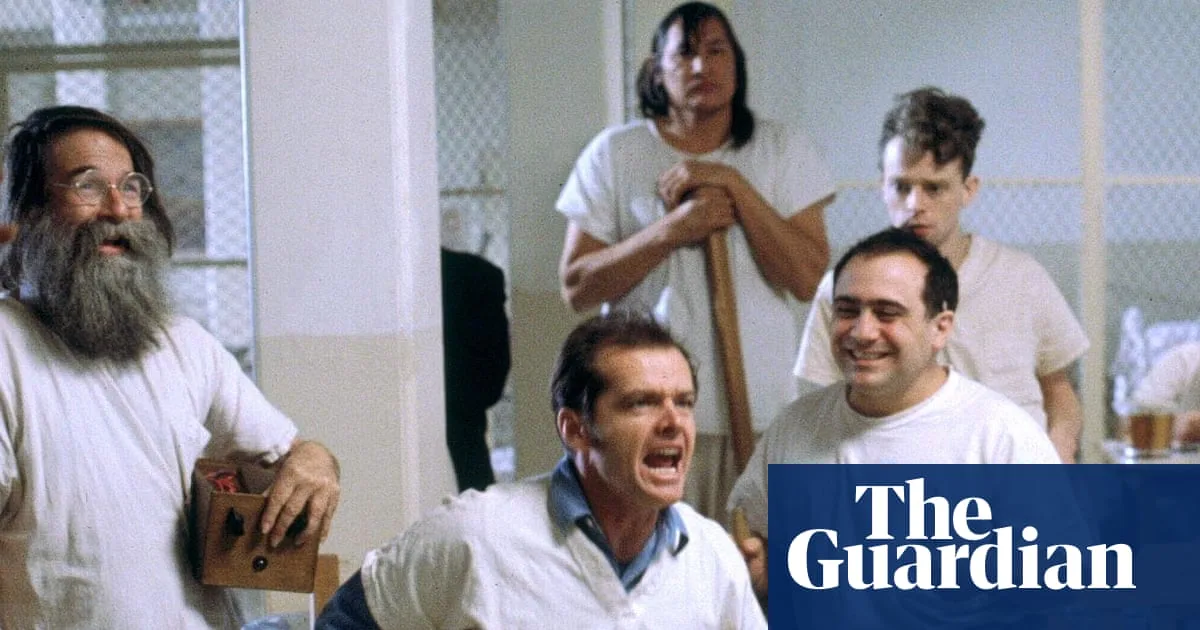
Milo Forman's film adaptation of Ken Kesey's novel, released in 1976, presents a compelling story of rebellion within a mental institution. The plot centres on McMurphy, an inmate who challenges the oppressive authority of Nurse Ratched, a figure who prioritises order over freedom. The film, showing at the Odeon, Leicester Square, exemplifies how a potentially niche subject can be elevated to commercial success, earning multiple Oscar nominations.
The film makes necessary compromises compared to the novel, such as casting a star with box-office appeal and adopting a more accessible narrative style. Kesey's book was a counter-culture classic that refused compromise, while Forman's version focuses on character and naturalism. Jack Nicholson delivers a riveting performance as McMurphy, fitting himself around the role rather than dominating it, showcasing his exceptional talent.
While the film differs from the book in its less abstract handling of authority and revolution, it ultimately conveys a similar message with comparable power, reaching a wider audience. It explores the insufferable nature of institutional power, connecting with Forman's earlier works like 'Taking Off' and 'A Blonde in Love'. The film suggests that the evil done by Nurse Ratched and her staff stems from their belief that they are acting rightly.

The film also examines heroism, as McMurphy fights against overwhelming odds. Forman asks what we think of a man who fights a tank with a broomstick; McMurphy's example, though doomed, offers life-sustaining hope. The performances are strong throughout, with Louise Fletcher's Nurse Ratched providing a chilling portrayal of a right-thinking fanatic. The ensemble cast works seamlessly together, each minor part having its own identity while contributing to the whole.
Despite some moments where the film's sympathies lead to easy laughs or glib lessons, the cold wrath of the final section overcomes these flaws. The film challenges our judgments of madness and sanity, suggesting that such judgments can be disastrous. It draws a parallel with Russian bureaucrats who deem dissidents insane, reminding us that the line between sanity and madness is precarious.