
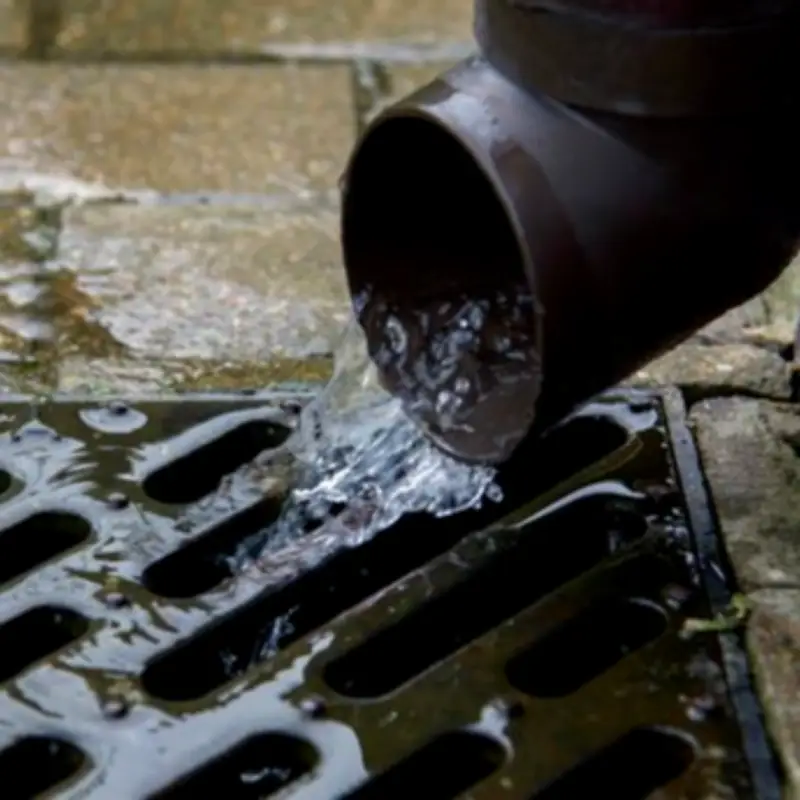
Following a sunny May Bank Holiday, June has so far proved to be something of a disappointment, with persistent heavy rainfall and thunderstorm warnings issued by the Met Office throughout the past week. Some parts of the UK have endured non-stop rain for over a day, with further downpours expected before warmer conditions eventually return.
Why Your Drains May Be Blocked
When rainfall is particularly heavy, especially when large volumes fall within a short space of time, your home's drainage system can quickly be put to the test — and it doesn't always hold up. During such conditions, exterior drains can rapidly become blocked with leaves, twigs and general debris, while kitchen drains can also suffer from blockages caused by food waste, including fat, grease, rice and accumulated food residue.
A Simple Solution with Washing Up Liquid
However, there is one straightforward and cost-effective method to get a blocked kitchen drain flowing freely again if you have some time to spare over Bank Holiday Monday — and it requires no expensive chemical products, just an ordinary bottle of washing up liquid, according to experts. According to plumbing and home maintenance firm Maintracts, outdoor drains connected to the kitchen sink — and only these — can be cleared swiftly using nothing more than washing up liquid and hot water.
Crucially, this tip applies solely to drains linked to the kitchen sink — avoid pouring it down any drain designed purely for rainwater from the roof, as chemical-based washing up liquid is harmful to waterways and can prove fatal to wildlife. For those drains, a natural alternative such as vinegar and baking soda is far more suitable, reports the Express. To minimise environmental impact as much as possible, choose a plant-based washing up liquid that is free from chemical surfactants.
Expert Advice from Maintracts
Maintracts states in its online guidance: "Fat, oil and grease (commonly known as FOG) are among the biggest culprits behind blocked gullies and outside drains. When hot grease is poured down the sink, it may seem harmless. But as it cools in your foul water drain, it hardens and sticks to the pipe walls. Eventually, this sticky mess collects other debris, such as food scraps, soap scum and dirt, creating a solid, immovable blockage. This is especially problematic in outdoor drains, which are more exposed to the elements and can easily become a magnet for garden debris, mud and litter, thereby exacerbating the blockage."
To address this issue, simply combine washing up liquid with hot water and apply the mixture to the affected drain. They added: "One of the simplest ways to unblock outside drain blockages caused by fat is to pour boiling water mixed with a generous amount of washing-up liquid into the drain. The boiling water helps melt the fat, while the soap breaks it down, making it easier to flush away. Ensure to do this slowly to allow the heat and detergent time to work. Repeat the process several times for optimal results."
Preventing Future Blockages
Once the blockage has been cleared, there are steps you can take to prevent the problem from recurring. Maintracts added: "Here's how to keep your drains clear and flowing: Never pour fat or grease down the sink. Wipe plates and pans before washing to reduce the amount of residue going down the drain. Use strainers in your sinks to catch solid particles before they enter the system. Install a grease trap if you cook frequently or deal with large amounts of food waste. Keep gullies and drain covers clear of leaves, litter, and other outdoor debris to prevent surface water build-up."




