
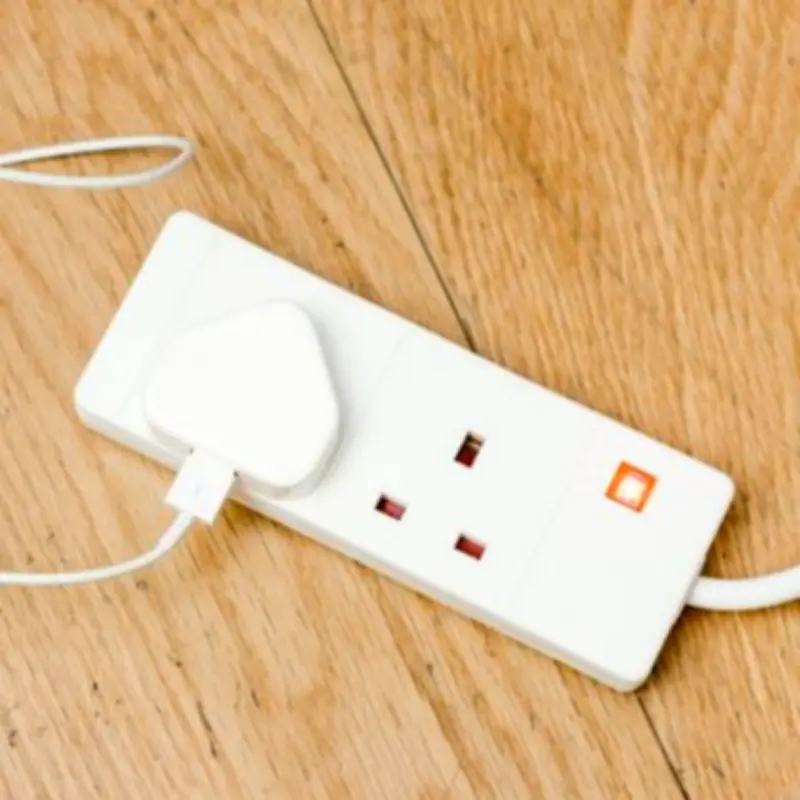
Homeowners who rely on extension leads in their kitchens are being urged to reassess their usage and 'make a decision fast' to prevent potential fires. With over 20,000 electrical fires occurring in UK homes annually, fire safety specialists at Crusader Fire warn that overloaded extension leads could pose a 'hidden hazard'.
The Hidden Danger of Kitchen Extension Leads
If you frequently manage multiple kitchen appliances without enough plug sockets, you are not alone. Air fryers, coffee machines, stand mixers, and toasters now crowd many worktops, leading some households to turn to extension leads as a practical solution. However, according to Jonny Smith, founder and director of Crusader Group, this practice presents serious dangers. He cautions that kitchen extension cables are 'an accident waiting to happen'.
Smith emphasises that common appliances like air fryers and kettles can easily overload extension cables, generating risks of heat build-up, appliance damage, and potentially fire. He said: 'Small kitchen appliances such as microwaves, kettles, air fryers, and even mixers are high-wattage items that draw a large amount of power from the mains. Plugging several into a single extension lead can easily overload it, leading to dangerous heat build-up and, in the worst cases, an electrical fire.' Most domestic extension cables are not designed to handle the combined wattage of multiple kitchen appliances.
How Overloading Leads to Fire Risks
When overloaded, extension leads can overheat, melt, and present a serious fire risk. Even if the cable does not ignite, it may suffer internal damage that goes unnoticed until a crisis occurs. Allowing an extension lead to get wet or placing it near a cooker while cooking could create a considerable electrical fire hazard. The fire expert explained: 'A typical kitchen appliance, like a kettle, can draw around 2,800 watts alone. If you're plugging in a few of those, you're exceeding what most leads are safely rated for. The cord may not trip the fuse immediately, but the heat build-up over time is a major concern.'
This warning comes against a stark national picture: more than 20,000 accidental house fires in the UK each year are caused by electrical faults, according to official fire service statistics. Kitchens, where water, heat, and electricity combine, are among the most frequently identified sources.
Appliance Damage and Voltage Drops
Beyond fire risks, Smith highlighted concerns about unstable voltage. 'Extension leads can cause drops in voltage when too many appliances are running simultaneously. This inconsistency in power flow isn't just bad for the lead, it can also affect the lifespan and performance of your appliances, especially those with sensitive electronics.' Devices such as coffee machines and digital air fryers require a steady current. When that supply is disrupted by overburdened extension leads, it can cause system failures, premature deterioration, or complete breakdown.
Safer Alternatives
Rather than taking risks, fire safety experts advise prioritising safety and efficiency with long-term solutions. Smith encourages homeowners to take decisive action and invest in appropriate electrical installations that meet modern kitchen demands. 'If you're short on plug sockets, speak to a qualified electrician about having additional outlets installed in appropriate areas. This is far safer than relying on a temporary workaround that could ultimately put your home and family at risk.'
Fire Safety Dos and Don'ts for the Kitchen
Crusader Fire recommends the following best practices for kitchen electrical safety:
- Do: Use appliances with clear wattage ratings and check them before plugging multiple items in.
- Do: Ensure any extension lead used in the home is BS-certified (British Standards).
- Do: Unplug devices when not in use to avoid passive power draw.
- Don't: Daisy-chain extension leads (plugging one into another).
- Don't: Use extension leads for permanent kitchen setups.
- Don't: Run leads behind appliances or under rugs where heat can build up.
- Don't: Ignore signs of wear and tear; frayed cords and scorch marks are red flags.
The Bottom Line
As more high-powered appliances become standard fixtures in modern kitchens, understanding how to use them safely has never been more vital. Although extension leads might appear to offer a practical short-term solution, they pose significant long-term hazards in one of the most fire-prone rooms in any household. Smith added: 'It's easy to underestimate the power load in a kitchen. But when it comes to fire safety, convenience should never come at the cost of safety. Being proactive now can prevent a devastating fire later.'




