
Ukraine has secured a €90bn ($104bn) loan from the European Union, enabling the government to increase defence spending to a record 4.4tn hryvnias ($97bn) this year. The funds are expected to start flowing this month.
Military Wage Increase
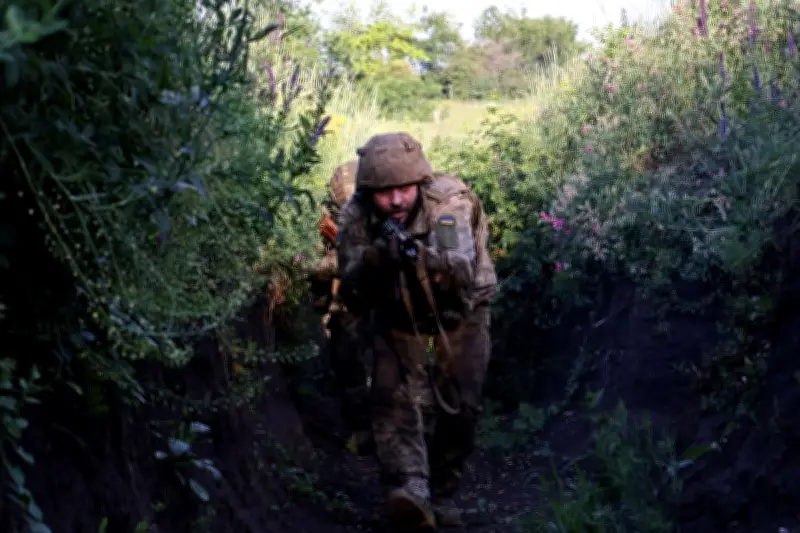
President Volodymyr Zelenskyy announced that the basic military wage will rise by one-third to 30,000 hryvnias ($700), matching the country's average monthly salary, which has increased due to staff shortages during the war. Infantry soldiers on the frontline will receive an average monthly salary of 300,000 hryvnias (about $7,000), up from the current 100,000 to 150,000 hryvnias. They will also be offered new fixed-term contracts for 10, 14, or 24 months for combat duties.
Recruitment of Foreign Fighters
Kyiv aims to recruit more foreign volunteers. Zelenskyy stated, "I have instructed to create significantly more opportunities to recruit foreign volunteers into the Ukrainian army, and there will be more recruitment channels in this regard." Since the war began, about 10,000 foreign volunteers from over 70 countries have joined the Ukrainian army, according to Ukrainian military publications.
EU Membership Talks
Ambassadors from the EU's 27 countries agreed to advance membership talks with Ukraine and Moldova, with the first phase of negotiations starting on Monday. Zelenskyy, who has made EU membership a key strategic goal, thanked the EU on Telegram, saying, "Ukraine is carrying out what is necessary and it is important that the EU is also keeping its word."
Putin's Response to Drone Strikes
Vladimir Putin said Ukraine's increasing drone strikes on Russia aim to "sow confusion" and damage the economy. He claimed, "But they will not succeed." Ukraine has hit deeper into Russia, striking oil refineries and export hubs. Putin admitted the strikes caused "economic damage" but insisted "everything is quickly restored." The governor of Russia's Bryansk region reported one person killed and another injured in a drone strike on Friday. Russia's defence ministry said 185 Ukrainian drones were intercepted over 12 hours across about a dozen regions.
UK Ban on Russian Oil Products
Britain announced a full ban on diesel and jet fuel made from Russian crude by 2027, setting a timeline to end a temporary licence for Russian oil products. The business and trade ministry said the temporary licence would expire by 1 January.




