One of the strongest earthquakes ever recorded struck Russia's far-eastern coast on Wednesday, prompting tsunami warnings and evacuation orders for millions in Japan, Hawaii, and the US west coast. The 8.8-magnitude quake, the sixth-largest on record, was followed by a volcanic eruption on the Kamchatka Peninsula near the epicentre. No deaths or major damage were reported.
The quake hit at 8.25 am Japan time at a depth of about 13 miles, centred 75 miles from Petropavlovsk-Kamchatsky, according to the US Geological Survey. Multiple aftershocks of up to 6.9 magnitude followed. In Russia, residents fled inland as ports flooded, and several people were injured while rushing to leave buildings.
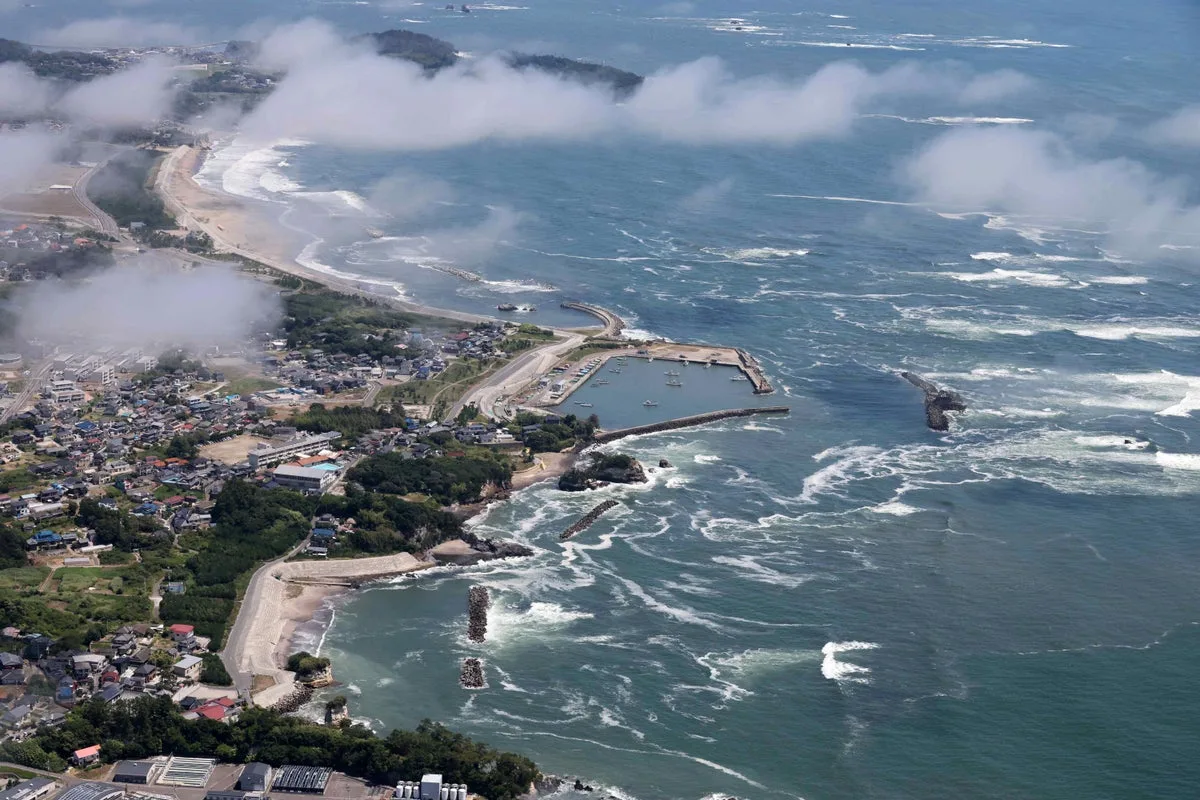
In Japan, tens of thousands of people evacuated to higher ground, with memories of the 2011 earthquake and tsunami still fresh. Ferries, trains, and airports suspended operations in affected areas. Tsunami heights of 10 to 13 feet were recorded in Kamchatka, 2 feet in Hokkaido, and 2 to 5 feet in San Francisco. Russia's Oceanology Institute reported waves up to 50 feet in some parts of the Kamchatka coast.
The US west coast, including California, Oregon, Washington, and British Columbia, remained under a tsunami advisory, with potential for strong currents and flooding. Hawaii's tsunami advisory continued, but evacuation orders on the Big Island and Oahu were lifted. Flights from Honolulu airport resumed in the evening. Governor Josh Green warned of drowning risks and activated Black Hawk helicopters for possible rescues.
Tsunami warnings were also issued for the Philippines, Mexico, New Zealand, and several Pacific island nations. Dave Snider of the National Tsunami Warning Centre in Alaska cautioned that a tsunami is a series of powerful waves over hours or days. Danila Chebrov, director of the Kamchatka Geophysical Service, said aftershocks would continue but no stronger tremors were expected.