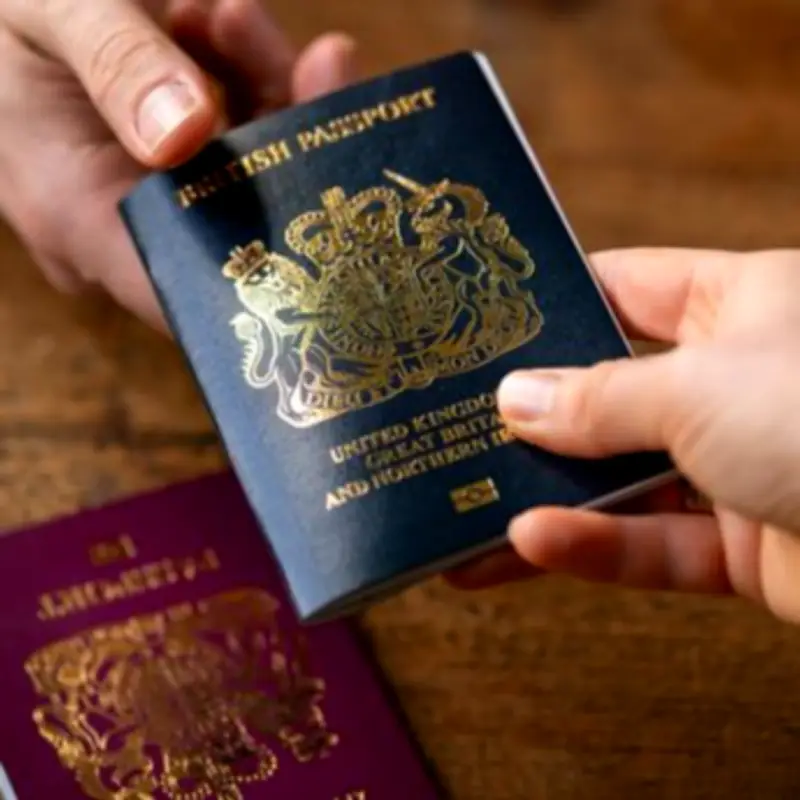
Travel insurance experts are warning holidaymakers to check their passport information before the peak summer period, following a survey that revealed a significant proportion of Britons were unaware of basic passport regulations.
Survey Reveals Widespread Confusion
Research conducted by Saga Travel Insurance found that many Britons lacked knowledge of basic rules concerning passport validity, entry requirements, and post-Brexit travel regulations. Alarmingly, 7% of respondents had been previously refused entry to a country due to insufficient validity remaining on their passport for the duration of their trip.
Saga's survey of 500 people revealed that four out of five (80%) were unaware that passport validity requirements vary between different countries, while 50% incorrectly believed that all countries require passports to have six months' validity before travel.
The travel insurance firm also noted that half of the Britons surveyed "are still not confident they understand the visa and travel requirements for visiting Europe after Brexit." Additionally, 16% didn't know their passport's expiry date, while 8% currently had expired passports sitting unused at home, reports the Mirror.
Real-Life Consequences
Recently, one mother found herself £700 out of pocket after being caught out by passport regulations for a holiday to Greece, preventing her from boarding the flight with her husband and children.
Michelle Cooper, Director of Travel Insurance at Saga, said: "Nobody should have their holidays ruined because of a simple passport error. A few quick checks can help people avoid unnecessary stress, unexpected costs and disruption at the airport."
She added: "It's important to check the specific rules of the country you're travelling to so that you know how long you need remaining on your passport. Some destinations require three months remaining on your passport, while others require six months."
Destination-Specific Requirements
For instance, Brits heading to EU destinations such as Spain, Italy or Greece will require a passport valid for at least three months beyond the date they intend to depart the Schengen area, and it must also be less than 10 years old upon entry. Turkey's validity requirements stand at a minimum of 150 days after the date of arrival, while countries such as Australia simply require your passport to remain valid for the entirety of your stay.
Michelle also cautioned holidaymakers about the 10-year rule, which continues to catch Brits out: "EU and Schengen countries require passports to be less than 10 years old on the day of entry. While all new passports last exactly ten years, passports issued before 2018 remain valid for 10 years and nine months. If you have an older passport, make sure you check both the issue date and expiry date before travelling to avoid problems at the border."
Additional Tips for Frequent Travellers
Michelle also encouraged regular travellers to ensure they have sufficient blank passport pages before setting off, warning: "People can sometimes focus entirely on expiry dates and forget to check how many blank pages they have left, but some destinations can refuse entry if there isn't enough room for official stamps or visa documentation."
"If you're a frequent traveller, you should regularly check how many blank pages you have remaining in your passport before booking a trip. You might also benefit from purchasing a passport with additional blank pages," she advised.