Inside Abu Dhabi's No-Go Zone: A Journey Through the UAE Conflict Airspace
Exclusive: The Foreign Office has declared Abu Dhabi and Dubai off-limits, citing extreme risks due to ongoing missile and drone attacks from Iran. Yet, flights to and from these airports remain packed with British holidaymakers. Travel Correspondent Simon Calder embarked on a flight to this 'danger zone' to uncover what awaits travellers defying official advice.
The Flight into the Conflict Zone
Despite Foreign, Commonwealth and Development Office (FCDO) warnings that even transit stops are unacceptably risky, thousands of British passengers continue to use Gulf hubs like Abu Dhabi for connections. Calder booked his ticket from Indonesia to London via the UAE before the conflict escalated, finding alternative routes scarce and prohibitively expensive.
At Jakarta's Terminal 3, hours before departure, hundreds queued at the Etihad check-in. Many were European tourists delayed for weeks. Etihad, along with Emirates and Qatar Airways, has struggled to restore schedules amid the backlog. Calder's original flight included a two-night Abu Dhabi stopover, but Etihad rerouted him to connect straight through to Heathrow, citing safety concerns.

Onboard Experience and Safety Measures
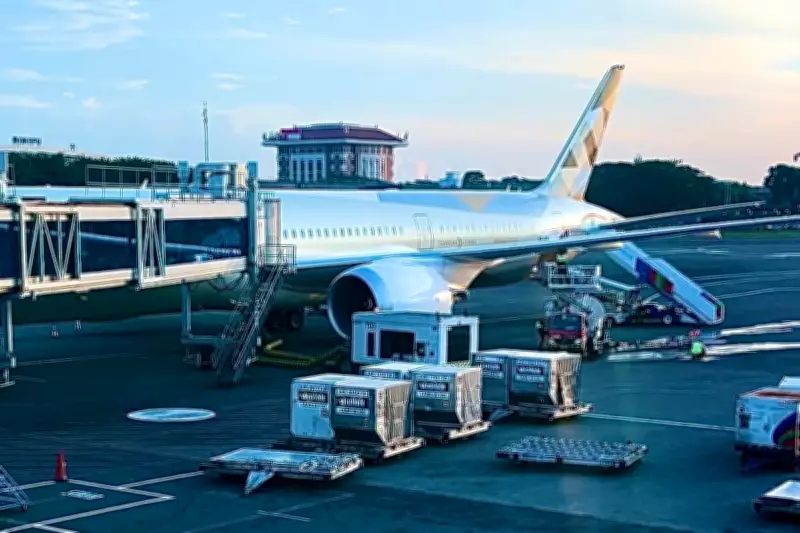
The Boeing 787 flight EY475 departed Jakarta with every economy seat full, primarily carrying Indonesian workers returning to the UAE. The captain made no mention of the conflict zone, adhering to Etihad's statement that flights operate only after extensive safety assessments. In-flight entertainment ironically promoted 'Abu Dhabi stopover – endless fun,' while dinner and drinks were served normally.
Landing at Zayed International Airport, the hub was eerily empty, with most shops devoid of customers. Passengers like Karen and Daniel Fletcher from Bolton expressed apprehension but relief upon landing, though they faced another flight to Manchester. Security checks were swift, but the airport felt like a ghost town under emergency air traffic rules.
Altered Flight Paths and Extended Journeys
The onward flight EY61 to Heathrow on an Airbus A380 took a circuitous route to avoid conflict zones. Instead of a direct path over Iran and Turkey, the plane flew west over Saudi Arabia, making loops over deserts and the Mediterranean to navigate restricted airspace. This added nearly two hours to the journey, increasing fuel consumption and passenger discomfort.
Meanwhile, Dubai Airport closed due to another Iranian attack, stranding British travellers. Calder's flight landed at Heathrow behind schedule, with Terminal 4 operating at a fraction of its usual capacity. The server at a café noted business was at just 10% of normal levels, highlighting the broader impact on aviation.
This journey underscores the precarious balance between travel necessity and safety, as airlines and passengers navigate a volatile region under heightened security protocols.