Tragedy Strikes as Avalanches Claim Five Lives
Five skiers have been killed in a devastating series of avalanches in the Austrian Alps, with authorities stating there had been 'clear and repeated warnings' about the dangerous conditions. The incidents occurred in the Salzburg Pongau region of western Austria on Saturday, 18 January 2026.
Double Avalanche Disaster Unfolds
The first fatal incident happened in the Bad Hofgastein area. According to the APA news agency, a female skier lost her life after being completely buried by an avalanche at an altitude of approximately 2,200 metres (7,200 feet).
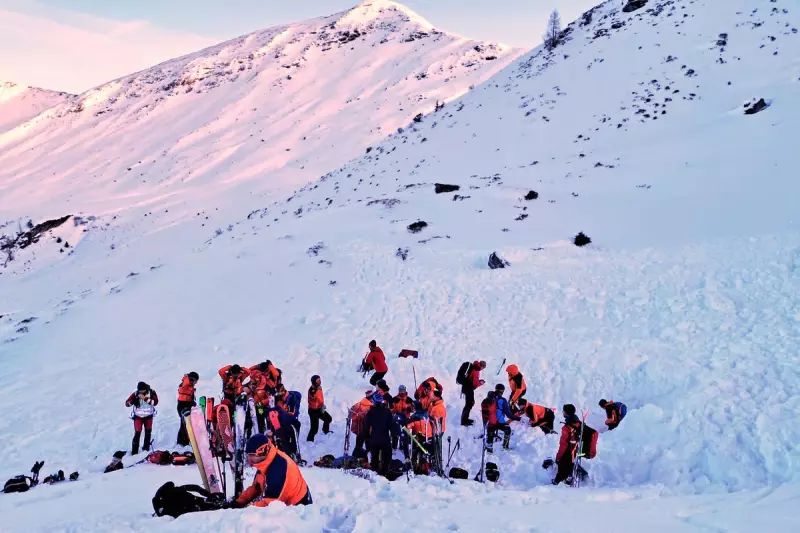
Roughly 90 minutes later, a second and larger avalanche struck in the nearby Gastein Valley, south of Salzburg. This snow slide swept away a group of seven skiers. Tragically, four individuals from this group were killed. Two others sustained injuries, one of them seriously, while a third member of the party managed to escape unharmed.

Massive Rescue Operation Launched
Emergency services responded with a major rescue effort. The response included four rescue helicopters, teams from the Pongau mountain rescue service, Red Cross dog teams specialised in searching for avalanche victims, and a crisis intervention team to provide psychological support.
Gerhard Kremser, the district head of the Pongau mountain rescue service, addressed the tragedy. He stated, "This tragedy painfully demonstrates how serious the current avalanche situation is," directly referencing the explicit warnings that had been in place regarding the elevated avalanche risk across the region.
A Stark Reminder of Alpine Dangers
This double disaster serves as a grim reminder of the inherent risks of backcountry and off-piste skiing in the Alps, particularly when official warnings are in effect. The events of 18 January underscore the critical importance of heeding avalanche forecasts and exercising extreme caution in mountainous terrain during high-risk periods.