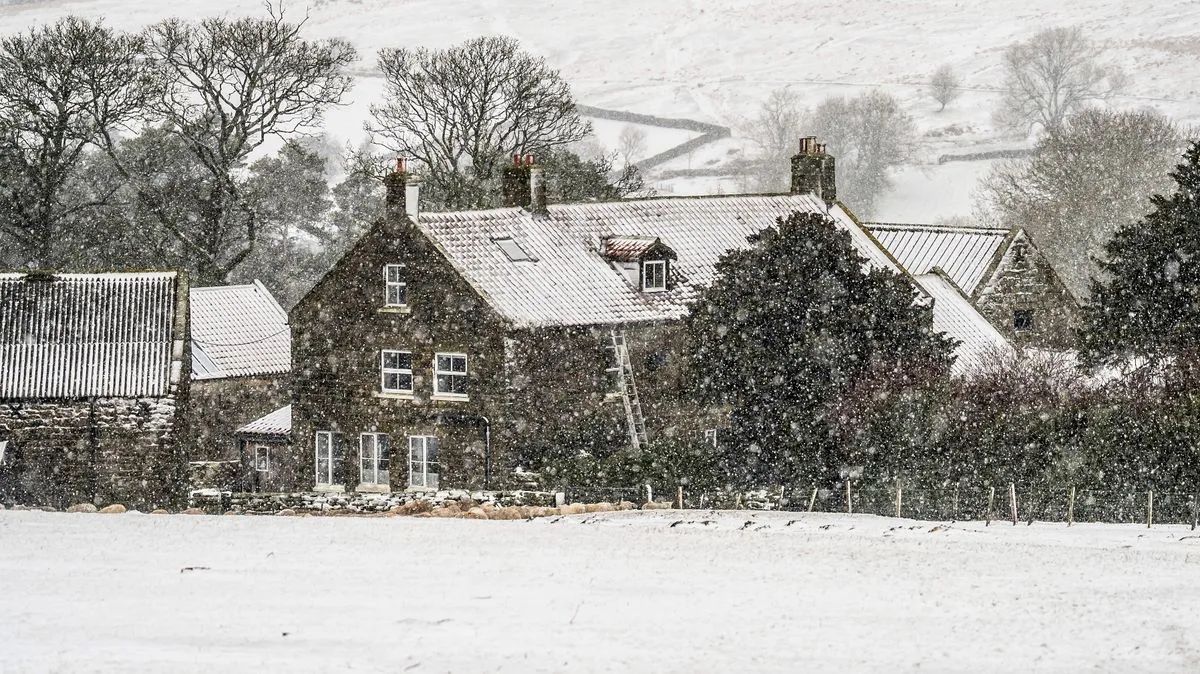
Britain is bracing for a return of the Beast from the East, with weather maps indicating a severe cold snap set to hit the UK from January 27. Temperatures could plunge as low as -12C in parts of Scotland, raising fears of widespread disruption.
According to data from WXCharts, Arctic air will push in from the east, bringing heavy snowfall across large areas. The first snow is expected in the early hours of January 27, affecting Wales, Scotland, and Northern Ireland by 6am. Snowfall rates could reach 0.4 inches per hour in some places, spreading rapidly across the country.
By the evening of January 27, snow could stretch from Colchester in Essex to just below Inverness. Forecasters predict a second wave of snow on January 29, covering the UK from tip to tail over 600 miles, with depths of up to two inches. Only London, parts of the east coast of England, west Devon, and limited areas of south Wales are expected to escape snowfall by January 30.
Temperatures are forecast to drop significantly, with overnight lows of -1C to -6C in England, around -5C in Wales, and as low as -12C in parts of Scotland, particularly near Inverness. The Met Office's long-range forecast for January 20-29 notes an increased chance of colder conditions due to some influence from the east, but stresses uncertainty.
Met Office spokesperson Grahame urged caution, stating that severe cold is not yet guaranteed. He said while there is a slight possibility of easterly winds bringing a chill in the final week of January, it is equally probable that milder southern air will persist. The forecast remains subject to change.