Winter Storm Threatens Two-Thirds of US with Catastrophic Cold and Power Outages
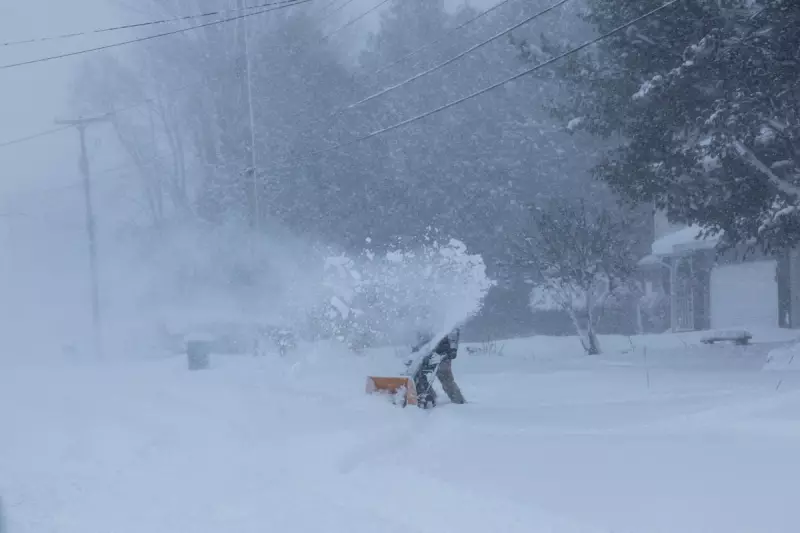
A vast and dangerous winter storm is advancing towards the eastern two-thirds of the United States, poised to unleash catastrophic damage, extensive power outages, and bitterly cold temperatures that could rival hurricane impacts. Forecasters warn that the extreme conditions, including wind chills as low as -50 degrees Fahrenheit (-46 degrees Celsius), may cause frostbite within just 10 minutes in some regions.
Widespread Disruptions and Preparations Underway
Approximately 160 million people are currently under winter storm or cold weather watches or warnings, with many areas facing dual threats. The storm has already caused significant travel chaos, with over 800 flights delayed or canceled at major hubs including Dallas, Atlanta, and Oklahoma airports. Authorities are mobilising resources aggressively in anticipation of the severe weather.
In Oklahoma, the Department of Transportation has pretreated roads with salt brine, while the state Highway Patrol has canceled troopers' days off to ensure maximum assistance. They are also partnering with the National Guard to aid stranded drivers. The National Weather Service in Norman, Oklahoma, issued a stark warning, stating, "Travel is going to become more and more treacherous starting late Friday afternoon and lasting through the rest of the weekend."

School Closures and Utility Preparations
The storm's impact on daily life is already evident, with numerous school districts taking precautionary measures. Oklahoma City Public Schools canceled all classes and activities for Friday due to anticipated deteriorating road conditions. Frigid temperatures led Houston schools to close, implementing an e-learning day for public school students. In Dallas, schools were expected to open, but officials canceled all after-school activities for Friday and throughout the weekend.
Utility companies are bracing for the worst. In Houston, a utility has 3,300 employees on standby. Houston Mayor John Whitmire posted online, "It’s all hands on deck. We’re hoping for the best, but prepared for the worst." This preparation is crucial, as the prolonged cold snap means a slow thaw, posing a significant risk where ice and snow could weigh down tree branches and power lines, leading to electricity cuts that could last for days.
Forecast Details and Historical Context
The massive weather system is expected to bring a crippling ice storm from Texas through parts of the South. Further north, around 11 inches (30 cm) of snow could fall from Oklahoma through Washington, D.C., New York, and Boston. Following this, a final punch of bitterly cold air is forecast, potentially dropping wind chills to extreme lows in parts of Minnesota and North Dakota.
Forecasters note that winter storms are notoriously difficult to predict, with the precise locations of the worst weather often unclear until the event begins. This uncertainty adds to public anxiety, especially given historical precedents. Five years ago, a severe cold snap crippled Texas’s power grid, leaving millions without electricity for days and resulting in hundreds of deaths. Gov. Greg Abbott stated on Thursday that such an event would not recur, asserting that the power system "has never been stronger."
State Responses and Public Reaction
In response to the looming threat, governors in Georgia and Mississippi have declared states of emergency. Public concern is high, with residents rushing to prepare supplies. In Huntsville, Alabama, Jomo’s Power Equipment, Parts & Service Inc. sold dozens of generators within a day and ordered an emergency shipment to meet demand. Bryan Hill, the store's manager, said on Thursday: "I’d say 95% of the calls were generator-related or either service or ‘Do you have any generators in stock’."

Lindsay Sylvester, from Toney, Alabama, stocked up early in the week on bread and other supplies, even sending her college-aged son bread, gloves, candles, and hand warmers. She noted that supplies were already depleting: "A couple of people I heard talking about they had gone to Walmart and there was no milk, no bread. All the necessities were gone." At a busy grocery store near downtown Dallas, Kennedi Mallard and Frank Green loaded two shopping trolleys with supplies, reporting bare shelves inside. Green observed: "No water, no eggs, no butter, no ground meat."
Long-Term Impacts and Safety Warnings
The prolonged nature of this cold snap means that roads and pavements are expected to remain icy well into next week. Ice can add hundreds of pounds to power lines and branches, making them highly susceptible to snapping, especially in windy conditions. Freezing temperatures are even expected to reach Florida, highlighting the storm's extensive reach.
As a precaution, North Carolina’s largest public school system has prepared for potentially several days out of physical classrooms next week, instructing teachers to create three days of assignments accessible online or via paper copies. Virginia Gov. Abigail Spanberger urged residents to prepare for days without power or the ability to leave their neighbourhoods. Dave Parker, spokesperson for the Arkansas Department of Transportation, pleaded for patience and advised people to stay home if possible once the storm hits.