Massive Winter Storm Threatens Millions Across US with Life-Endangering Conditions
Winter Storm Puts Half of US Population Under Weather Alerts

A monumental winter storm is poised to unleash life-threatening conditions across the United States this weekend, placing approximately 160 million people—nearly half the nation's population—under a sweeping array of weather watches and warnings.

Unprecedented Scale of the Weather Emergency

The National Weather Service announced on Thursday that alerts stretch from Arizona and Montana in the West to the Carolinas and Maine in the East. Forecasters warn this deluge could crush trees and power lines, leading to prolonged electricity failures that may persist for multiple days.

Major Cities Brace for Paralysis

Major metropolitan areas including Washington DC, Philadelphia, New York City, and Boston are forecast to receive sufficient snowfall to render travel exceedingly difficult or virtually impossible. New York City Mayor Zohran Mamdani cautioned that the Big Apple could see accumulations of up to 16 inches of slush.

'The next 10 days of winter will be the worst in 40 years across the United States,' meteorologist Ryan Maue stated in a social media post, urging citizens to seriously consider their movements and assist vulnerable individuals. 'This is not hype or a joke,' Maue insisted, noting that initial snowfall estimates may be conservative.

State and Local Governments Mobilise Resources

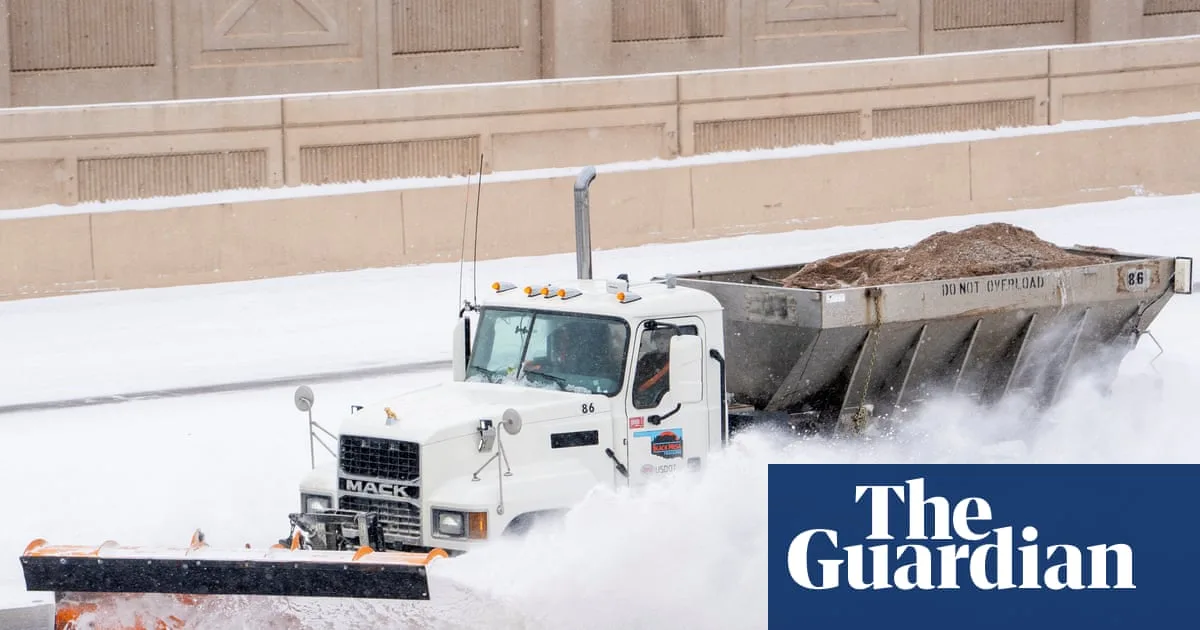
Governors in several states have preemptively declared states of emergency, authorising the deployment of resources, including National Guard units. Mayor Mamdani affirmed New York's readiness, detailing that pre-snow treatment of highways would commence, with sanitation crews working around the clock once the storm arrives.

Expert Advice for Survival and Preparedness

Emergency management experts and organisations like the Red Cross are advising residents to prepare for extended power outages. Recommendations include:

  • Stockpiling ice, alternative heat sources, blankets, and warm clothing.
  • Assembling an emergency kit containing one gallon of water per person, tinned food, a flashlight, a battery-powered radio, a first aid kit, a seven-day medication supply, and portable phone chargers.
  • Using inexpensive Styrofoam coolers with ice to preserve food if refrigerators fail.

Georgia Governor Brian P. Kemp specifically advised residents to have electric space heaters available and to equip vehicles with winter survival tools like ice scrapers and jumper cables.

Forecast Details and Regional Impacts

The storm is expected to initiate on Friday afternoon, bringing snow, sleet, and freezing rain to areas of Kansas, Oklahoma, and western Texas before rapidly advancing. By Friday night, a complex mix of wintry precipitation will spread through the Central Plains, lower Mississippi Valley, and parts of Tennessee.

Peak Severity and Geographic Spread

The most severe conditions are anticipated for Saturday and Sunday, impacting the Mississippi and Ohio Valleys, Kentucky, Tennessee, West Virginia, Virginia, parts of the Carolinas, and northern Georgia. The Weather Channel has issued its most severe 'crippling' ice warning for portions of Texas, Louisiana, Mississippi, Alabama, and Tennessee.

Some regions, including Arkansas and Tennessee, could see snowfall totals reaching up to 24 inches, with wind chill making it feel as cold as -3 degrees Fahrenheit in areas like Dallas and Arkansas. Southern states, unaccustomed to such extreme winter weather, face particular risk from even minor ice accumulations causing hazardous road conditions.

'Even for those that are experienced with winter weather, there's only so much you can do with freezing rain,' explained Matt Reagan, a lead forecaster with the National Weather Service in Nashville. 'You can't drive in it, even if you have four-wheel drive.'

Federal Response and Long-Term Outlook

Department of Homeland Security Secretary Kristi Noem confirmed that federal emergency management resources are positioned and ready to assist state and local authorities. The Federal Emergency Management Agency is monitoring the situation closely, prepared to provide aid across affected regions.

Forecasters on the East Coast express growing confidence that the storm will significantly strike major I-95 cities from Washington D.C. to Boston, with snow amounts potentially exceeding a foot. The National Weather Service's Washington/Baltimore office highlighted the unique risk posed by the combination of heavy snow, ice, and prolonged cold temperatures.

By Sunday, the storm is expected to begin subsiding in southern states like Texas and Oklahoma, but bad weather will persist in the Ohio Valley, Virginia, the Carolinas, and stretch northeastward to New York, leaving a trail of significant disruption in its wake.