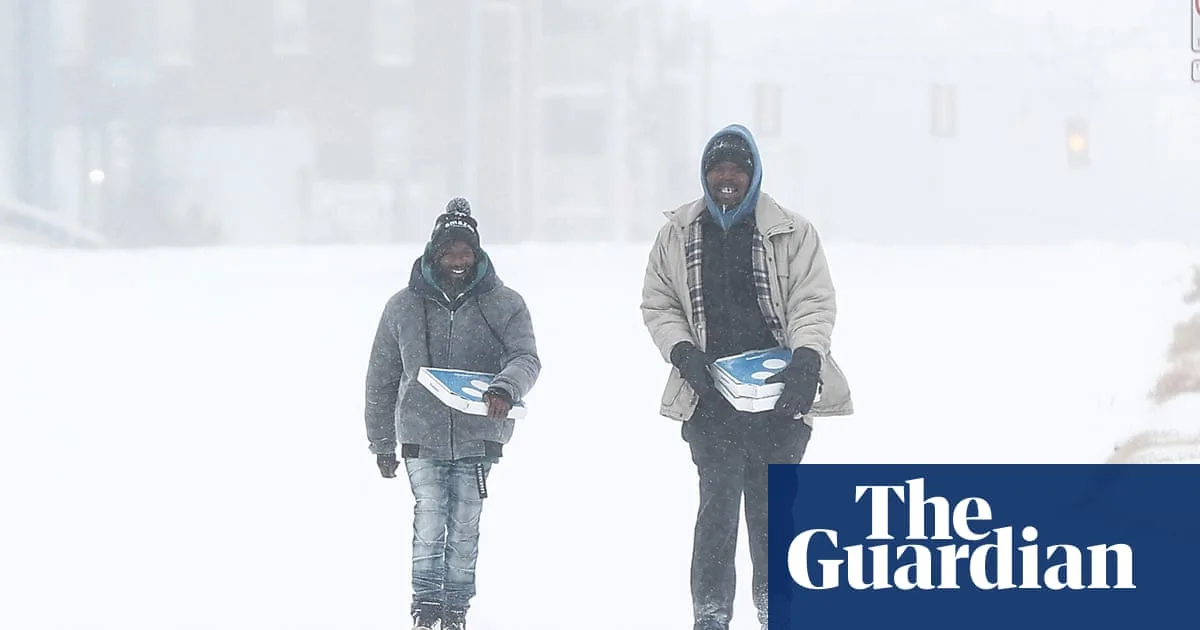
Another wave of freezing weather is sweeping across the south-eastern United States, with temperatures expected to plunge deep into Florida. The National Weather Service has warned that Arctic air will cause temperatures to drop into the teens in Tennessee, while parts of Florida could see flurries for the first time in decades.
Hundreds of thousands of homes and businesses in southern states remain without power for a sixth day, with almost 230,000 customers still disconnected, primarily in Tennessee and Mississippi. The new storm, arriving as early as Friday night, threatens up to a foot of snow in parts of South Carolina and accumulations in Georgia and South Carolina.
The eastern seaboard from Maryland to Maine could also see snow, and rare flurries are possible on the west coast of Florida. Tony Hurt, a forecaster for the Tampa Bay area, estimated a 20% chance of snowfall, though any accumulation is unlikely. The last recorded settled snow in Tampa was in 1977.
In Florida, temperatures are set to drop below freezing in Miami for the first time in at least 15 years, nearing the city's record low of 27F (-3C) set in 1940. NASA has delayed a dress rehearsal for the Artemis 3 moon rocket at Cape Canaveral due to the cold, rescheduling it for no earlier than 8 February.
The freeze poses risks to Florida's agricultural industry, with farmers harvesting crops early and using irrigation and helicopters to protect sensitive fields. Officials in Mississippi, which experienced its worst winter storm since 1994, urged residents to brace for another weekend of extremely cold temperatures and to check on vulnerable neighbours. Public health officials warned that prolonged exposure to the cold is dangerous, especially for the elderly and young children.