Major Winter Storm Threatens Texas and Oklahoma with Snow and Ice
Texas and Oklahoma are preparing for significant ice and heavy snowfall as forecasters predict the initial impacts of a large-scale winter storm system. This weather event is expected to bring treacherous conditions to roadways and pose serious risks across the eastern two-thirds of the United States.
Widespread Winter Warnings and Preparations
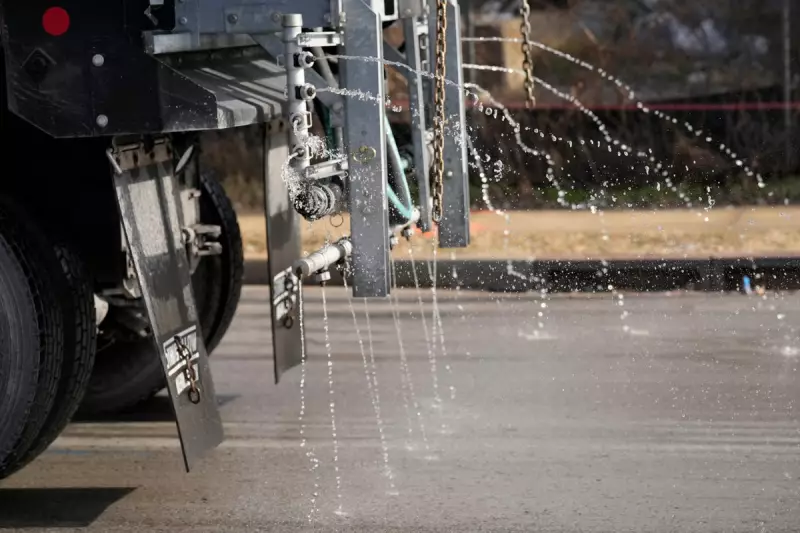
Approximately 160 million people are currently under winter storm or cold weather watches and warnings, with many areas facing both threats simultaneously. In response, utility companies and transportation departments have mobilised resources. For instance, a Houston-area utility has 3,300 employees on standby, while Oklahoma's Department of Transportation has pretreated highways and interstates with salt brine to mitigate ice formation.
Freezing rain and sleet are anticipated in New Mexico as early as Friday, adding to the regional concerns. The storm system is forecast to deliver a crippling ice storm stretching from Texas through parts of the South, alongside potential snowfall of up to a foot (30 centimetres) from Oklahoma to cities like Washington, D.C., New York, and Boston.

Dangerous Cold and Potential Damage
Following the initial precipitation, a surge of bitterly cold air is expected, with wind chills potentially plummeting to minus 50 degrees Fahrenheit (minus 46 Celsius) in regions such as Minnesota and North Dakota. Forecasters have warned that the damage, particularly in ice-affected areas, could rival that of a hurricane, emphasising the severity of the situation.
The cold air mass originating from Canada has already led to school closures, including Chicago Public Schools and Des Moines Public Schools in Iowa, due to wind chills as low as minus 35 degrees Fahrenheit (minus 37 Celsius). Such conditions can cause frostbite within minutes, making outdoor activities hazardous.
Infrastructure and Safety Concerns
Ice accumulation poses a significant threat to infrastructure, as it can add hundreds of pounds to power lines and tree branches, increasing the risk of snapping, especially in windy conditions. This raises concerns about prolonged power outages and difficult travel conditions, with roads and sidewalks potentially remaining icy well into next week.
Freezing temperatures are forecast to extend as far south as Florida, recalling a severe cold snap five years ago that crippled Texas's power grid, resulting in widespread outages and hundreds of fatalities. Governor Greg Abbott has assured the public that the power system is now stronger, but the memory of past events heightens anxiety.
Regional Responses and Public Readiness
Governors in Georgia and Mississippi have declared states of emergency, while residents are taking precautions. In Alabama, stores like Jomo’s Power Equipment, Parts & Service Inc. reported high demand for generators, with manager Bryan Hill noting that 95% of calls were generator-related. Similarly, residents like Lindsay Sylvester in Toney, Alabama, stocked up on essentials early, observing depleted supplies in local stores.
North Carolina's largest public school system has prepared for potential closures, instructing teachers to create three days of online or paper-based assignments. Virginia Governor Abigail Spanberger advised residents to brace for days without power or the ability to leave their neighbourhoods, also addressing concerns about emergency services amid immigration crackdowns.
Travel Disruptions and Supply Shortages
Airlines have cancelled hundreds of flights scheduled for Friday and Saturday at airports including Dallas, Atlanta, Oklahoma City, and Tulsa. In Dallas, shoppers like Kennedi Mallard and Frank Green encountered bare shelves for items such as water, eggs, butter, and ground meat, highlighting the rush for supplies.
Arkansas Department of Transportation spokesperson Dave Parker urged patience and advised people to stay home if possible once the storm hits. As the event unfolds, forecasters caution that pinpointing the worst-affected areas remains challenging until the storm begins, underscoring the unpredictable nature of winter weather.