FEMA Mobilises Nationwide Response to Impending Winter Storm Catastrophe
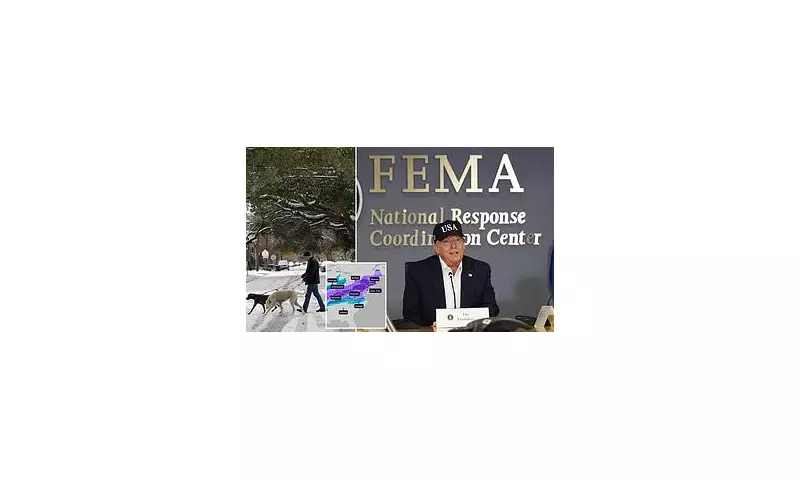
The Federal Emergency Management Agency (FEMA) has initiated comprehensive preparations across the United States as a formidable winter storm system threatens to unleash life-threatening conditions from coast to coast. The agency is establishing multiple staging areas to coordinate what officials describe as a major response operation ahead of the severe weather event.
Widespread Impact Forecast Across Multiple Regions
Meteorological forecasts indicate the brewing storm will affect an unprecedented 34 states, potentially impacting more than 230 million Americans with a dangerous combination of extreme elements. The system is expected to deliver heavy snowfall, crippling ice accumulation, and dangerously low temperatures as it moves from the Midwest toward the East Coast and southern regions.
According to an internal FEMA memorandum obtained by media sources, "Conditions will range from heavy snow and crippling ice in the South to life-threatening cold in the North." The document further warns of a "large, long-duration winter storm" that will bring widespread hazardous weather from the Southern Rockies and Plains into the Mid-South beginning Friday, before spreading eastward to the Mid-Atlantic and New England over the weekend.

Emergency Resources Deployed Nationwide
FEMA has already positioned substantial emergency resources in anticipation of the storm's impact. In Louisiana, where significant icing is expected, the agency has prepared staging grounds containing:
- 250,000 emergency meals
- 400,000 litres of water
- 30 generators
- 12 shuttle drivers
Additional logistical support has been dispatched to multiple locations including Fort Worth, Texas; Greencastle, Pennsylvania; and Atlanta, Georgia. Dozens of personnel have been deployed across affected regions, with FEMA staffers positioned at over 20 State Emergency Operation Centers ahead of the storm's arrival.
High-Level Government Coordination Underway
Department of Homeland Security Secretary Kristi Noem visited FEMA headquarters on Thursday to receive detailed briefings about the storm's severity and projected impacts. During her visit, Secretary Noem conducted meetings with governors from states preparing for impact, providing them with her personal contact information to ensure direct communication channels during emergency situations.
A FEMA official emphasised the administration's commitment, stating: "President Trump and DHS will be there for the American people during this storm. We're on mission, focused, and leaning in on ways to provide support to state and local governments who bear the majority of the response to this disaster."
Regional Impact Projections and Preparedness Measures
The northern Midwest is expected to experience particularly severe conditions, with the Dakotas, Minnesota, Iowa, Missouri, and Nebraska preparing for temperatures that could plummet to 40-50 degrees below zero. Meanwhile, southern plains regions that typically experience milder winter conditions are bracing for atypical snow and ice accumulation.
The FEMA memorandum provides specific regional forecasts:
- Central Oklahoma could receive up to a foot of snow
- Parts of Kansas and Arkansas anticipate 3-6 inches of accumulation
- A "wintry mess" of sleet and freezing rain will develop across North and Central Texas, Oklahoma, and Arkansas
Beyond the initial resource deployments, FEMA has activated three Incident Management Assistance Teams and placed 28 Urban Search and Rescue teams on standby status, ready to provide lifesaving support at governors' requests. Over a dozen states have already issued disaster or emergency declarations in anticipation of the storm's arrival.

The agency's preparations come under the leadership of acting FEMA administrator Karen Evans, who assumed responsibilities following the departure of former acting director David Richardson after just six months in the position. The extensive response planning reflects lessons learned from previous weather emergencies, including this summer's central Texas flooding that resulted in 135 fatalities.