Arctic Blast Brings Life-Threatening Cold to US Northeast and Midwest
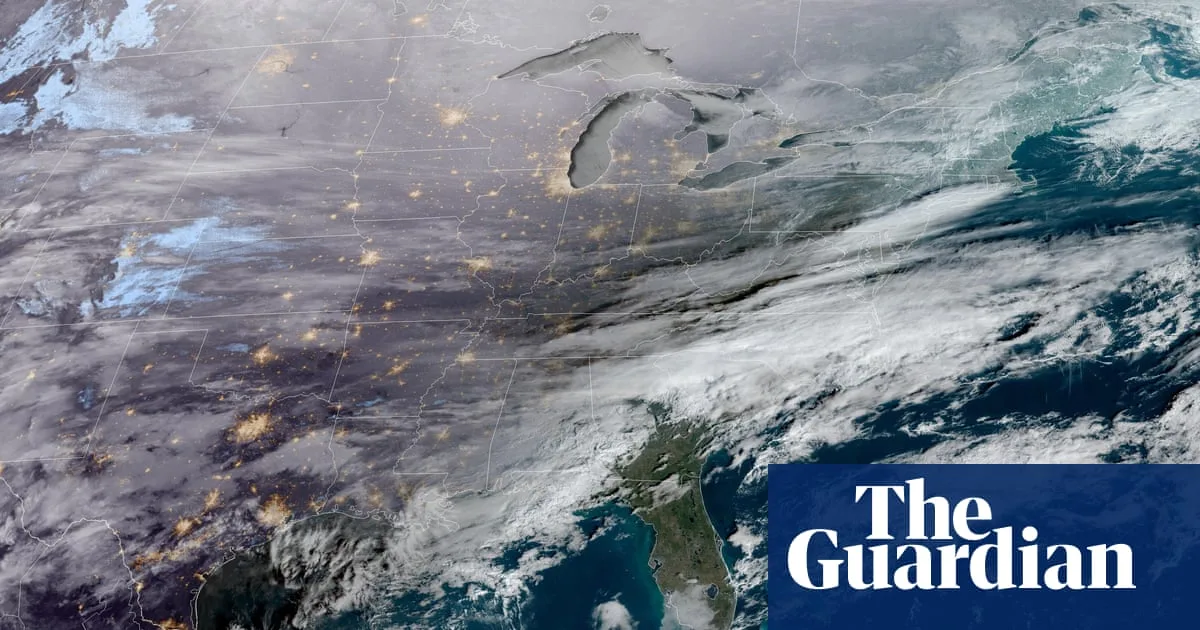
As temperatures plummet across the United States this week, health experts are issuing critical safety warnings that could prove lifesaving. An intense arctic blast is delivering the season's coldest temperatures to the Northeast and Midwest, with forecasts predicting dangerously low readings.
Dangerous Temperature Plunge
Major cities are bracing for extreme conditions. New York is expected to see single-digit temperatures, while Chicago faces a dramatic swing that will plunge readings below zero. According to meteorological forecasts, some regions could experience temperatures as cold as minus 39 degrees Fahrenheit over the weekend, with additional snow making conditions even more hazardous.
Dr Alina Mitina, an emergency room physician at Hackensack University Medical Center in New Jersey, emphasised the preventable nature of many cold-related injuries. "In the ER, we see many cases of hypothermia and frostbite that were entirely preventable," she told the Daily Mail. "We frequently treat individuals who went out for 'just a few minutes' without proper gear."
Rapid Onset of Hypothermia
The statistics are sobering. Between 15,000 and 19,000 people visit emergency departments annually due to hypothermia, with an estimated 700 to 1,500 fatalities. In 20-degree air, initial symptoms like shivering and numb fingers can begin within 10 to 15 minutes. However, sweating or getting wet drastically accelerates the danger, as water pulls heat from the body 25 times faster than air.
Under these conditions, severe hypothermia can develop within 30 minutes, quickly progressing to violent shivering, confusion, and impaired judgment within an hour. In the most extreme temperatures, even with a jacket, hypothermia can set in within mere minutes of exposure.
Vulnerable Populations at Risk
Dr Mitina advised: "For a properly dressed and healthy adult, exposure should be limited as much as possible. Taking breaks in a warm place every 20 to 30 minutes is good practice. For vulnerable individuals, or if you are not adequately dressed, you could be in danger in as little as 10 to 15 minutes."
Beyond causing hypothermia and severe frostbite, frigid temperatures strain cardiovascular and respiratory systems by constricting blood vessels and raising blood pressure. As the body struggles to maintain warmth, its energy reserves deplete rapidly.
Once core temperature drops below 95 degrees Fahrenheit, mental functions like judgment and reasoning begin to deteriorate. This risk is particularly acute for the elderly, infants, and those with pre-existing conditions such as COPD or heart disease.
Essential Protective Measures
Layering remains crucial for protection against severe cold. Dr Mitina explained: "Your first line of defense is proper clothing. Layer up with several layers of loose-fitting clothing with the inner layer moisture-wicking fabric like wool or silk to draw sweat away from your skin."
She continued: "Avoid cotton, which holds moisture and will make you colder. Wet clothing chills the body very quickly. If you start to sweat or experience shivering, remove a layer of clothing to prevent getting damp."
Additional protective measures include wearing a warm hat, as significant body heat is lost through the head. Mittens are typically warmer than gloves, while waterproof boots keep feet dry. A scarf or mask covering the face and mouth also helps protect lungs from the harsh air.
Recognising Warning Signs
Experts strongly recommend limiting outdoor time as much as possible and avoiding alcohol, which may provide initial warmth but accelerates heat loss. Uncontrollable shivering, confusion, or numbness should be treated as urgent SOS signals to seek shelter immediately.
Dr Mitina stressed: "Shivering is the first sign that your body is losing heat and should be taken as a signal to get indoors. If possible, take frequent breaks in a warm location to allow your body to recover."
Systemic Impact of Extreme Cold
Every bodily system is affected by extreme cold. Blood vessels in the skin, arms, and legs constrict severely when body temperature falls below 95 degrees, reducing peripheral blood flow to minimise heat loss but making extremities vulnerable to frostbite.
As core temperature drops, the heart's electrical system falters and heart rate slows. Brain activity declines with prolonged exposure, potentially causing victims to fall into a stupor and eventually lose key reflexes. In severe cases, confused individuals may paradoxically undress due to malfunctioning nerves creating sensations of overheating.
Reduced blood flow to kidneys can lead to acute injury, while metabolism slows dramatically, making the liver less efficient at clearing toxins. While frostbite doesn't cause immediate organ failure, resulting tissue death can lead to gangrene and dangerous systemic infections if dead tissue thaws and releases toxins into the bloodstream.
Emergency Treatment Protocols
When patients arrive at emergency departments with hypothermia, the primary goal is gentle rewarming to safely elevate core body temperature. Medical teams immediately move patients to warm rooms, carefully remove cold, wet clothing, and wrap them in heated blankets.
For severe cases, warmed intravenous fluids and humidified oxygen are administered, with careful monitoring of the fragile, cold heart. Frostbite treatment focuses on rapid, controlled thawing in warm water baths, requiring strong pain relief medication. Once thawed, affected areas are protected, elevated, and dressed, with antibiotics and tetanus shots administered to prevent infection in damaged tissue.
Dr Mitina concluded with a sobering reminder: "Many patients tell us they were shivering for a long time but tried to 'tough it out.' Shivering is your body's alarm system. Ignoring it can lead to a state where you become confused and are no longer able to help yourself."