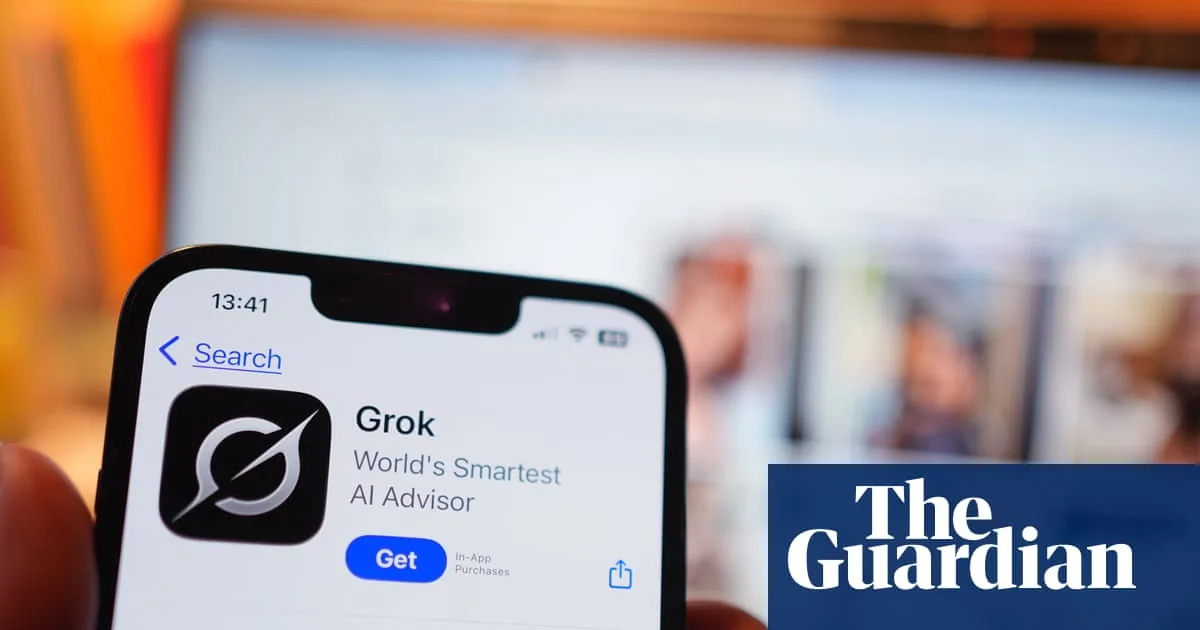
Ofcom, the UK media watchdog, has launched a formal investigation into Elon Musk’s X platform over the use of its Grok AI tool to generate sexualised images of women and children. The regulator is acting under the 2023 Online Safety Act (OSA) after a public outcry over the spread of non-consensual intimate images and child sexual abuse material (CSAM) created using Grok, which is integrated into X.
Technology Secretary Liz Kendall described the content as “vile” and “illegal,” and confirmed that Ofcom has the government’s full backing to use its enforcement powers. Speaking in the Commons, Kendall said: “X does not have to wait for the Ofcom investigation to conclude – they can choose to act sooner to ensure this abhorrent and illegal material cannot be shared on their platform.” She warned that Ofcom could impose fines of up to 10% of global revenue or, in serious cases, seek a court order to block access to X in the UK.
Ofcom stated it would treat the investigation as a “matter of the highest priority,” focusing on whether X failed to assess the risk of illegal content and take appropriate steps to prevent users from viewing intimate image abuse and CSAM. The regulator had “urgently” contacted X last Monday and, after reviewing the platform’s response, decided to open a formal probe following an expedited assessment.
The investigation comes after an update to Grok allowed users to manipulate clothed images of women and children into sexually suggestive poses. Labour MP Jess Asato, a campaigner against AI nudification, reported that explicit images of her were still being created using Grok and posted on X as of Monday morning, despite her speaking out against the platform.
Kendall also announced that the government would bring into force a new law making it illegal to create non-consensual intimate images, not just share them. Campaigners had previously accused ministers of delaying enforcement of the OSA, which was passed last June. Ofcom has the power to impose business disruption measures, including requiring internet service providers to block access to sites, in extreme cases.