For years, the ritual of sitting at a desk defined my gaming experience. The journey began with the thrill of building my first PC, a world away from the Nintendo Wii and Xbox 360 of my youth. It unlocked stunning graphics and new genres, from sprawling MMOs to intricate real-time strategy games, and for nearly a decade, the PC was my undisputed platform of choice.
The Turning Point: When Work Sapped the Fun
That passion began to shift when gaming evolved from a pure hobby into my primary profession. Staring at the same computer screen for nine hours of work, only to look at it again for leisure, quickly drained the enjoyment. Even with a dedicated workspace, evenings in front of a monitor felt overly sedentary. The technical headaches of modern PC gaming added to the frustration. What was once a seamless console experience now sometimes felt like needing a cybersecurity degree to troubleshoot shader installations or random crashes, often leading to more time on Reddit seeking fixes than actually playing.
The Handheld Revolution: Steam Deck to the Rescue
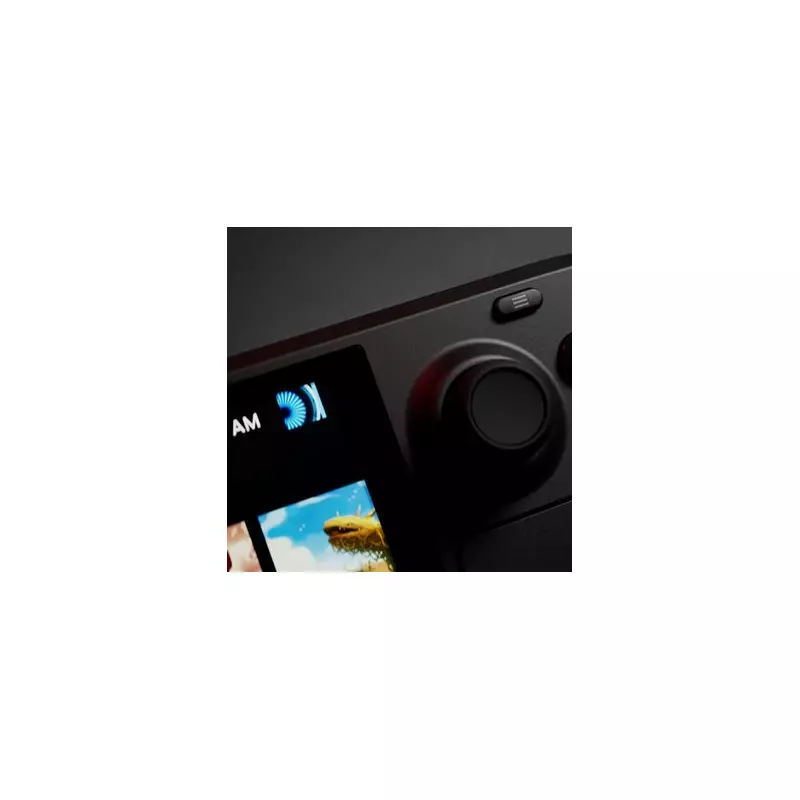
My nomadic lifestyle, constantly moving around the country for work and travel, meant protected time for my powerful desktop was scarce. My game backlog grew relentlessly. The solution arrived in 2023 with the Steam Deck OLED. This wasn't just a minor upgrade over the LCD model; it was a liberation. Suddenly, my bursting Steam library was portable. While it won't run the most demanding 2026 titles, anything from the PlayStation 4 era is perfectly playable.

The impact has been profound. In the two years since, the Steam Deck accounts for 50% of my total Steam playtime, with the other half being mostly multiplayer sessions with friends on PC. I've managed to halve my daunting backlog, completing almost every single-player title on the handheld device.
Game-Changing Features for the Modern Gamer
A standout feature is the quick resume function. The ability to instantly suspend and resume a game has transformed gaming during travel. Recently, I made meaningful progress in Fallout 4 during a domestic flight, seamlessly playing between the departure lounge, gate, and my seat—progress that wouldn't have happened over the Christmas break otherwise.
For titles too powerful for the Deck's native hardware, cloud gaming has filled the gap perfectly. I completed the entire Indiana Jones and the Great Circle adventure using Xbox Cloud Gaming via the Edge browser on the Deck. The performance was so impressive it has me considering a PlayStation Portal for cloud streaming, especially now it doesn't require a local PS5.
This handheld renaissance has even rekindled my love for traditional consoles. My confidence in portable play led me to pick up a Switch 2 last year, where I've been thoroughly enjoying The Legend of Zelda: Tears of the Kingdom at a smooth 60fps.
PC gaming still holds a special place for certain experiences. Games like Battlefield 6, ARC Raiders, and Counter-Strike 2 remain firmly in my rotation on the desktop. But for the core act of working through my library and truly enjoying games, handhelds have been transformative. They've helped me fall back in love with a hobby I was drifting from, and it's now crystal clear why major players like Xbox and Sony are prioritising portable gaming in their future strategies.