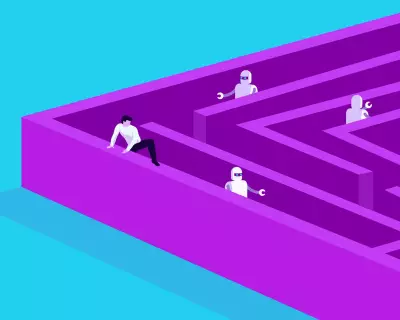
A growing online movement is challenging the tech industry's relentless pursuit of convenience, suggesting that a little bit of hassle might be the secret to a more fulfilling life. This trend, known as 'friction maxxing', advocates for intentionally adding steps and obstacles to daily routines to foster mindfulness, appreciation, and a greater sense of accomplishment.
What is Friction Maxxing and Where Did It Come From?
The term 'friction maxxing' emerged from online communities in late 2025, gaining traction on platforms like TikTok and Reddit. It is part of a broader cultural pushback against the seamless, algorithm-driven experiences offered by modern apps and devices. Proponents argue that by removing all effort, technology also strips away the satisfaction derived from completing a task.
Examples of friction maxxing in practice include using a manual coffee grinder instead of a pod machine, opting for a physical book over an e-reader, or disabling one-click purchasing online. The core idea is to reclaim agency and attention by making simple acts more deliberate.

The Psychological Case Against Constant Convenience
Psychologists and digital wellbeing experts are noting the potential benefits of this approach. Dr Lila Bennett, a behavioural scientist at Oxford University, explains that easy dopamine hits from ultra-convenient tech can cheapen experiences. "When everything is instantaneous, we lose the build-up, the anticipation, and the deep satisfaction that comes from a bit of struggle," she states.
This aligns with older psychological concepts like the 'Ikea effect', where people place higher value on products they have partially assembled themselves. By inserting small, manageable amounts of friction, individuals may cultivate a stronger sense of ownership and engagement with their daily lives, counteracting the passive consumption encouraged by many platforms.
Implementing Friction in a Digital World
For those interested in experimenting, friction maxxing doesn't require abandoning technology entirely. It's about making conscious choices. This could involve:
- Turning off notifications for non-essential apps.
- Using a dumbphone for certain days of the week.
- Writing shopping lists on paper before buying groceries online.
- Choosing a longer, scenic route for a regular walk.
The movement cautions against adding friction to essential or already stressful tasks. The goal is mindful inconvenience, not unnecessary hardship. The key is to identify areas where slowing down could enhance meaning, not induce frustration.
A Counter-Cultural Response to Tech Giants
Friction maxxing stands in direct opposition to the business models of major tech firms, whose profits often rely on minimising user effort to maximise engagement and spending. This trend represents a grassroots, user-led attempt to redefine the relationship with technology. It asks whether the path to a good life is paved with ever-greater ease, or whether happiness is found in the texture of effortful engagement.
While not a solution for everyone, the conversation sparked by friction maxxing highlights a growing public awareness about the trade-offs inherent in our digital tools. As we move into 2026, it seems a portion of society is actively choosing to opt out of the convenience arms race, searching for deeper satisfaction one deliberate action at a time.