Language watchdogs have declared a fresh set of linguistic offenders, calling for ten popular slang terms and phrases to be permanently retired from everyday conversation. The call comes from Lake Superior State University (LSSU) in the United States, which has just unveiled its milestone 50th annual Banished Words List for 2026.
The Golden Anniversary of Linguistic Grievances
For half a century, the Banished Words List has served as a playful yet pointed commentary on the ever-evolving nature of language. What began as a light-hearted idea at a 1976 New Year's Eve party has grown into a global tradition. The university explained that the list offers a 'tongue-in-cheek commentary on language, catchphrases, and corporate jargon,' reflecting on words that have 'worn out their welcome.' This year, the panel sifted through more than 1,400 public submissions from across the globe to compile the definitive top ten.
The Top Offenders: From Classroom to Boardroom
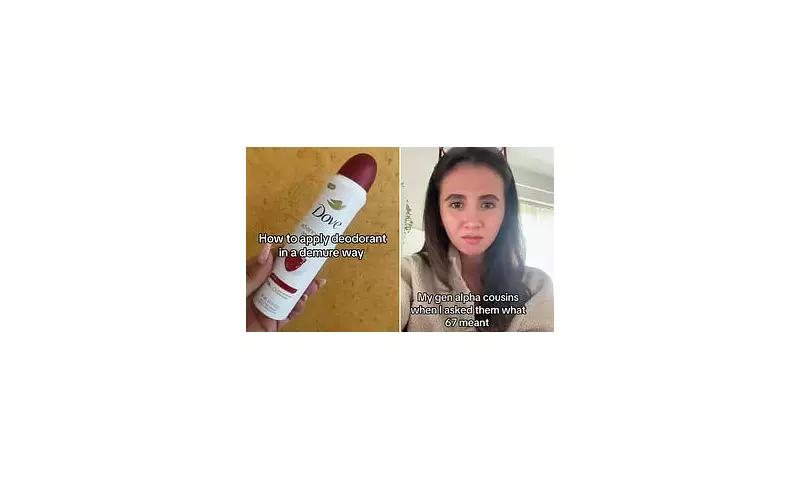
Topping the 2026 list is the enigmatic phrase '6,7'. This term, meaning 'nothing,' exploded in popularity among Gen Alpha after originating from the song 'Doot Doot (6,7)' by American rapper Skrilla. Its viral spread on social media led to such pervasive use in classrooms that some teachers reportedly had to explicitly forbid it.

In second place is 'demure,' a word that saw a dramatic resurgence thanks to a 2024 TikTok trend. Sparked by content creator Jools Lebron, the 'very demure, very mindful' trend saw Gen Z applying the description to everything from lounging in bed to eating cake, stretching its meaning to the limit.
The list continues with 'cooked' (slang for being in a dire state), the hyperbolic 'massive,' the corporate favourite 'incentivize,' and the emphatic 'full stop.' Perhaps the most surprising entry is 'perfect,' with submitters arguing it is now used so loosely it has lost its true meaning.
Rounding out the list are 'gift' or 'gifted,' the casual apology 'my bad,' and the perennial business jargon 'reach out.' This last phrase is a repeat offender, having first been banished back in 1994, with critics saying it has strayed far from its original positive intent.
A Living Language and Your Chance to Complain
The university has already opened submissions for the 2027 list, inviting the public to nominate their own most-hated words and phrases. The deadline for entries is 8 AM Eastern Standard Time on 1 November 2026. This ongoing project highlights that while language naturally changes, some terms simply try the public's patience one too many times.