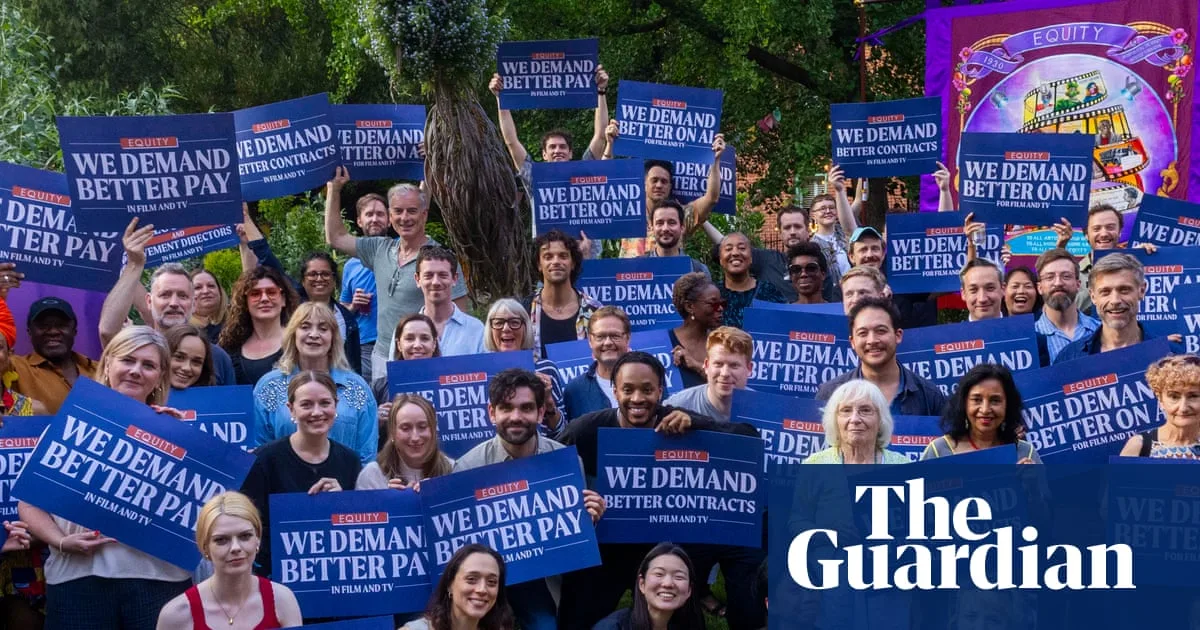
Actors in the UK have voted overwhelmingly to refuse digital scanning on set, in a move to prevent their likenesses being used by artificial intelligence without consent. The indicative ballot by the performing arts union Equity saw 99% of members in favour of the action, with a 75% turnout among over 7,000 members polled.
Equity general secretary Paul Fleming described AI as a 'generation-defining challenge', warning that the workforce is willing to 'significantly disrupt production' unless protections are secured. The vote signals strong opposition to AI use in the arts, though actors would not be legally protected if they refuse to be scanned under current agreements.
The union plans to write to Pact, the trade body representing UK producers, to negotiate new minimum standards for pay and conditions. Depending on the outcome, Equity may hold a formal ballot that would give actors legal protection against being pressed to accept digital scanning on set.

High-profile actors including Adrian Lester, Hugh Bonneville and Harriet Walter have backed the campaign. Bonneville said actors' likenesses and voices should not be 'exploited for the benefit of others without licence or consent', while Lester noted that early-career actors often find it difficult to push back against body scanning.
The vote follows months of debate over performers' rights as AI becomes embedded in the creative industries. Concerns were heightened by the arrival of the first AI 'actor', Tilly Norwood, and the 2023 Hollywood writers' strike, which highlighted the risks of unchecked AI use in reshaping the industry.