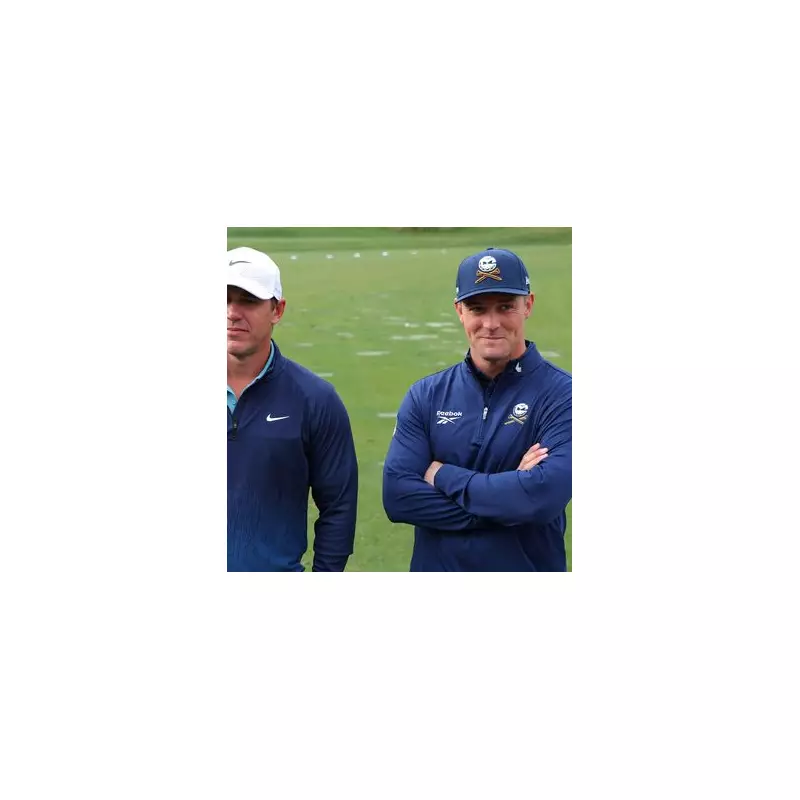
In a seismic shift for professional golf, five-time Major champion Brooks Koepka is set to return to the PGA Tour after a lucrative stint with the Saudi-backed LIV Golf league. His comeback, facilitated by a new PGA Tour rule, comes at a personal cost estimated between $50 million and $60 million and could trigger a wave of high-profile returns, dealing a significant blow to LIV's stability.
The New Rule and the Stakes
The PGA Tour, under new chief executive Brian Rolapp, has instituted a one-off Returning Member Program. This creates a defined window, closing on February 2, 2026, allowing certain stars an immediate return. The rule applies to players who have won a Major or The Players Championship since 2022 and have been absent from the PGA Tour for over two years, bypassing a previous 12-month suspension.
This move is a calculated gambit by Rolapp, who works closely with PGA Tour Policy Board member Tiger Woods. It aims to balance commercial interests—bolstered by investment from Fenway Sports Group—with the sensibilities of loyal members who declined massive Saudi offers. For Koepka, the return comes with stringent conditions: a $5 million donation to charity, ineligibility for the PGA Tour's Player Equity Program for five years, no FedEx Cup bonus money this season, and exclusion from signature events unless he qualifies.

Who Could Follow Koepka Back?
All eyes now turn to other LIV marquee names who meet the criteria. Bryson DeChambeau, Jon Rahm, and Cameron Smith are the most prominent players with a potential pathway back. The timing is critical, with the new LIV Golf season launching in Riyadh on February 4, just two days after the PGA Tour's deadline.
Koepka's departure in December 2025 has fundamentally altered the negotiating landscape. It provides DeChambeau, whose current LIV deal expires at the end of the 2026 season, with immense leverage. As a double US Open champion with a massive social media following, his absence has been keenly felt on the traditional tour. Similarly, Jon Rahm's 2025 signing was seen as a potential tipping point for reunification, but his form in Majors has suffered, and an exit now would carry heavy financial penalties.
The Future of LIV Golf and the Wider Impact
This development poses an existential threat to the LIV Golf model. Having spent an estimated $5 billion to lure top talent, the league aimed to operate as a sustainable business with new TV deals, like the one with TNT Sports in the UK. However, the loss of a star of Koepka's calibre—and the potential of others—undermines that project, concentrating power and money back with the established tour's elite.
The rule also highlights the fragmented state of the sport. It does not apply to players like Tyrrell Hatton or Joaquin Niemann, and Hudson Swafford remains banned until 2027 for his early LIV involvement. Rolapp has stressed this is a "one-time, defined window" and not a precedent, signalling the door may soon slam shut on this route back.
Koepka, who last played a PGA Tour event at the 2022 Valspar Championship, is scheduled to make his return at the Farmers Insurance Open this month, followed by the WM Phoenix Open. His move, driven by a desire to compete at the highest level after injury struggles and poor Major performances in 2025, has reignited golf's civil war and set a costly, high-stakes precedent for the game's biggest names.