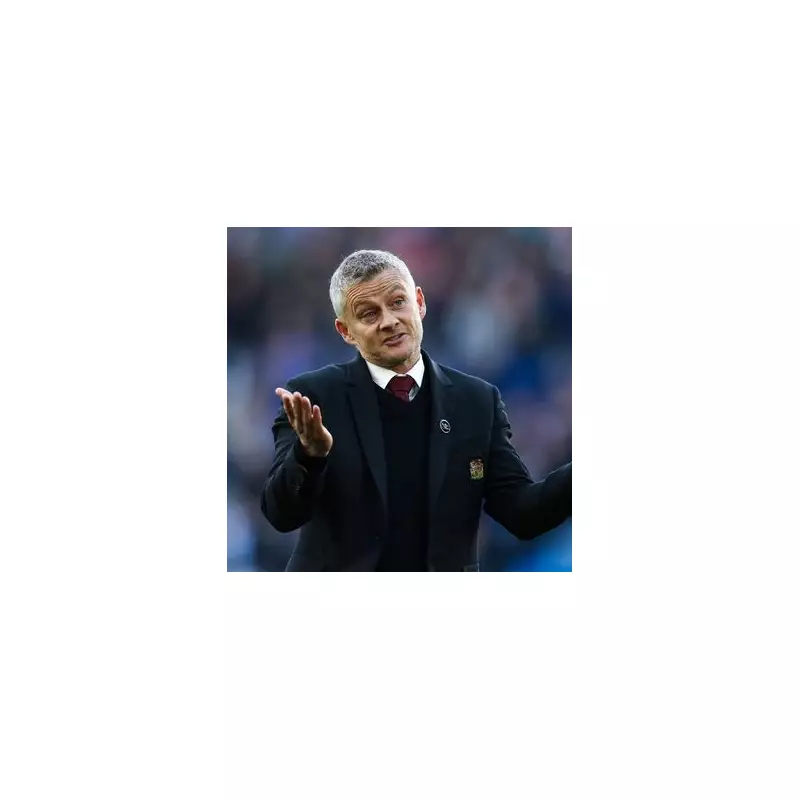
The recent speculation linking Ole Gunnar Solskjaer with a sensational return to Manchester United has reignited debate over his turbulent tenure at Old Trafford. The Norwegian's initial vision ultimately collapsed under the weight of a dramatic strategic U-turn, a decision that not only led to his sacking but has now reportedly cost him a chance to reclaim the managerial hot seat.
The Original Blueprint: Youth and United DNA
When appointed initially as interim boss in December 2018, and then permanently in March 2019, Solskjaer arrived with a clear mission. His objective was to revive the club's core philosophy, echoing the Sir Alex Ferguson era by clearing out high-earning underperformers and embedding hungry young talents with the famed Manchester United DNA.
This long-term project saw players like Romelu Lukaku and Alexis Sanchez moved on. In their place came promising signings such as Dan James and Aaron Wan-Bissaka. Solskjaer supplemented this with major investments in players deemed ready to win immediately, most notably the £80 million acquisition of Harry Maguire. The strategy showed early promise, with United finishing third in 2019/20 and second in 2020/21.

The Fateful Summer of 2021: A Philosophy Abandoned
Despite the respectable league positions, cracks were appearing. Several younger players stalled in their development, and Solskjaer's tactical approach, while effective in big games, lacked the sophistication to break down defensive teams consistently. The summer of 2021 proved to be the pivotal moment where his project unravelled.
In a stark departure from his original plan, the club hierarchy, with Solskjaer's agreement, pivoted towards signing ready-made superstars. While the free transfer of Edinson Cavani was shrewd, the arrivals of Raphael Varane for £41 million and, crucially, Cristiano Ronaldo, marked a fundamental shift. The five-time Ballon d'Or winner's return, driven partly by fan pressure and commercial appeal, disrupted the squad's balance.
Ronaldo's lack of pressing and the ensuing dressing room dynamics negatively impacted the form of Bruno Fernandes, Marcus Rashford, and Mason Greenwood. The earlier signing of Jadon Sancho, which fitted the original youth-focused model, was overshadowed. The squad became bloated with egos, consistency vanished, and player faith in the project dwindled.
Downfall and a Dream Denied
The consequences were swift and severe. A dismal start to the 2021/22 season culminated in a 4-1 defeat at Watford, after which Solskjaer was sacked by executive vice-chairman Ed Woodward. He had strayed from his own blueprint, leaving the club arguably in a worse state than when he inherited it.
This history came full circle last week following the sacking of Ruben Amorim. Solskjaer was considered for an interim role until the end of the 2025/26 season, alongside his former assistant Michael Carrick. However, Carrick's vision impressed the United hierarchy more, and he secured the position.
Reports suggest that some current United players expressed a lack of confidence in Solskjaer's potential return to club officials. Thus, the ghosts of his first tenure, defined by that critical strategic reversal, have once again thwarted his ambitions at the club he once led.