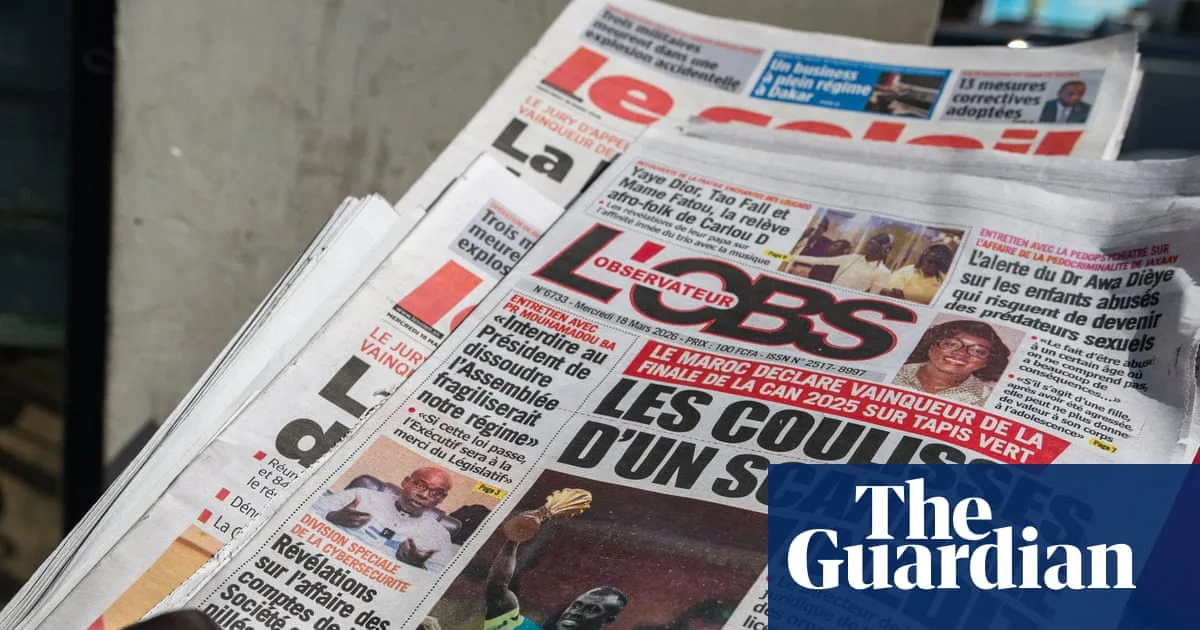
Senegal-Morocco AFCON Dispute Escalates Beyond the Pitch
The Confederation of African Football's decision to award Morocco the Africa Cup of Nations title, after overturning Senegal's victory two months post-final, has sent shockwaves through the soccer world and beyond. This unprecedented move has not only stunned fans globally but has also ignited a fierce dispute that threatens to strain the long-standing bilateral ties between Senegal and Morocco.
Legal and Diplomatic Fallout Unfolds
In response to CAF's ruling, the Senegalese government has announced it will pursue all appropriate legal avenues to challenge the decision. Authorities in Dakar have called for an international investigation into suspected corruption within the African soccer governing body, alleging favoritism towards Morocco. The appeals board justified its decision by stating Senegal forfeited the final due to players leaving the field without referee authorization during a chaotic incident, awarding Morocco a default 3-0 win.
This controversy stems from the final match where Senegal fans protested a controversial penalty call, leading to a nearly 10-minute interruption. Despite Senegal's eventual victory in extra time, CAF's post-match reversal has fueled widespread disbelief and anger in Senegal, with many labeling the decision as unjust.
Cultural and Economic Relations Under Pressure
Historically, Senegal and Morocco have enjoyed close bonds rooted in shared religion, trade, and cultural exchanges. The Tijaniyyah Sufi Muslim order is prevalent in both nations, and Moroccan investments in Senegal's finance and agriculture sectors are substantial. However, the AFCON dispute has introduced significant strain.
Recent events, including the imprisonment of 19 Senegal fans in Morocco on hooliganism charges, have exacerbated tensions. While figures like Seydina Issa Laye Diop of Senegal's fan group urge preservation of friendship, sentiments on the ground reflect growing animosity. Mariama Ndeye, a student in Dakar, expressed disillusionment, stating, When everything goes well, they call us their brothers. But when things don't go their way, they start being nasty.
In Morocco, reactions are mixed. Ismail Fnani, a business owner in Casablanca, noted a shift in perception towards Senegalese and other Africans, saying, Where there was once sympathy and compassion, now I will treat them as they have treated us. Conversely, Mohamed El Arabi lamented the decision's impact on community relations, highlighting a loss of brotherhood among Muslims.
Accusations of Favoritism Within CAF
The Senegalese government's corruption allegations align with broader concerns over CAF's perceived bias towards Morocco, a 2030 World Cup co-host investing heavily in soccer. CAF President Patrice Motsepe has publicly defended the organization, asserting in a video statement that no country receives preferential treatment. However, this has done little to quell the uproar, as the dispute continues to escalate, threatening to overshadow the sporting event itself.
As both nations navigate this crisis, the AFCON title dispute serves as a stark reminder of how sports controversies can transcend the field, impacting diplomatic, cultural, and economic landscapes. The outcome of legal challenges and international investigations will likely shape future relations between these historically allied countries.