Iranian Women Footballers Reverse Asylum Decisions in Australia
In a significant development, three more Iranian women's football players have withdrawn their asylum applications in Australia, following a similar move by a technical staff member earlier. This decision means that only three of the original seven players and staff who accepted Australia's asylum offer now remain in the country, marking a notable reversal in their initial plans.
Background of the Asylum Offer
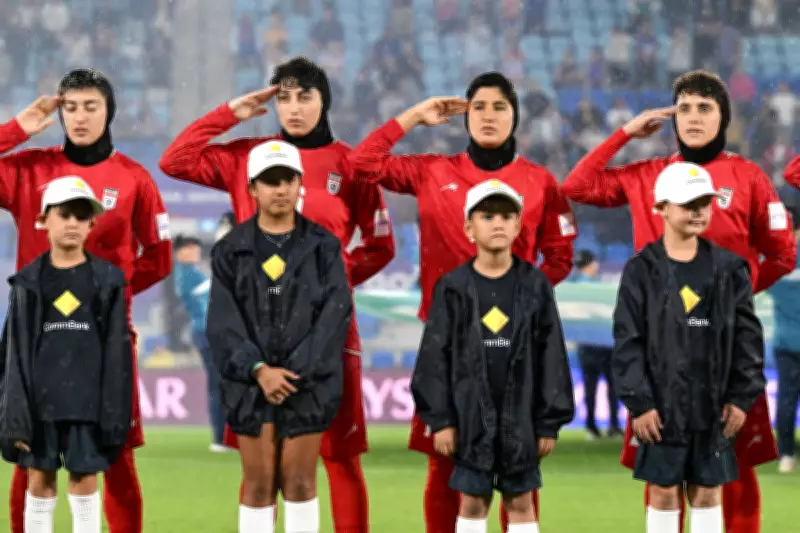
The team first gained international attention earlier this month when they refused to sing the Iranian national anthem during a match. This act of protest led Australia to offer asylum to the players and staff due to safety concerns, citing potential risks they might face upon returning to Iran. The offer was seen as a humanitarian gesture in response to their bold stance.
Pressure from Iranian Authorities
Reports indicate that the players have faced considerable pressure from Iranian authorities, which has influenced their decisions to withdraw their asylum applications. This pressure included measures such as phone confiscations and strict supervision, aimed at discouraging them from seeking refuge abroad. Iranian state media has celebrated the players' decisions, framing them as a resistance to what they termed “psychological warfare” and “seductive offers” from Australia.

Current Status and Implications
With the latest withdrawals, the situation has evolved dramatically. Only three individuals from the original group now remain in Australia under the asylum offer. This turn of events raises questions about the challenges faced by athletes in politically sensitive environments and the effectiveness of international asylum protections in such cases.
The incident highlights the broader issues of freedom of expression and safety for women in sports within Iran, as well as the complex dynamics between national loyalty and personal security. It also underscores the role of media and state narratives in shaping public perception and individual choices in high-profile international disputes.