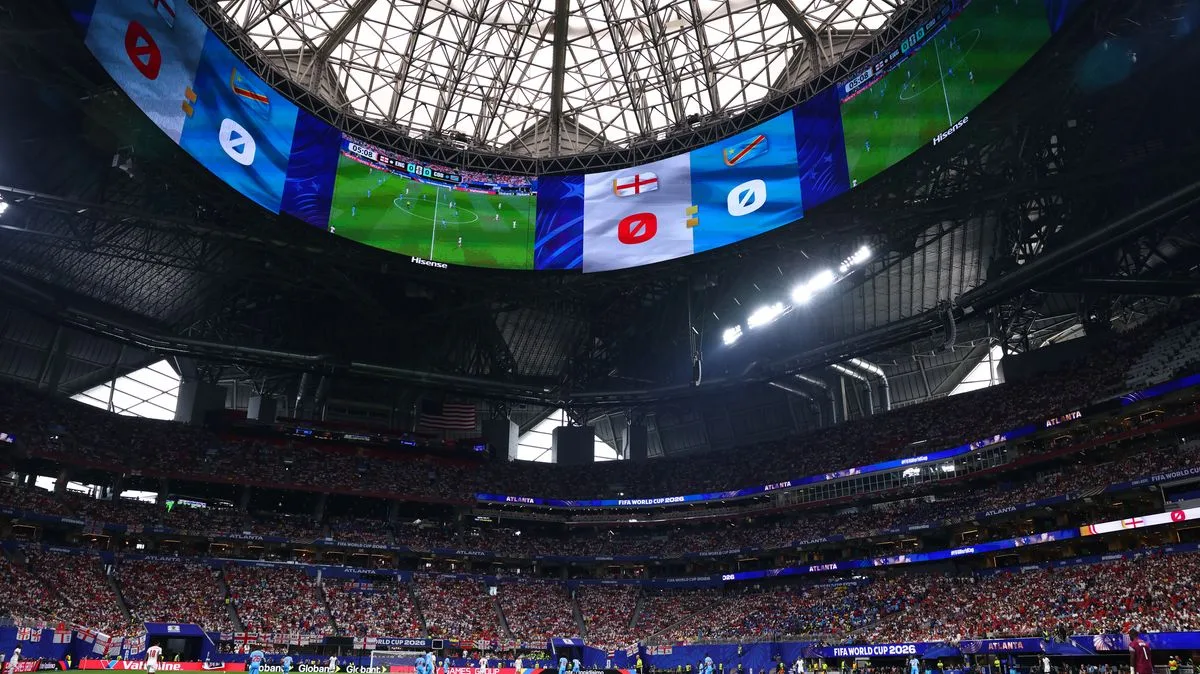
FIFA Breaks Own Stadium Branding Rule for 2026 World Cup After 18-Month Talks
FIFA Breaks Own Rule for 2026 World Cup Over Stadium Issue

FIFA Forced to Bend Rules for 2026 World Cup Over Atlanta Stadium Dilemma

With the 2026 FIFA World Cup less than three months away, global football's governing body has been compelled to break its own stringent regulations following 18 months of intense discussions. The tournament, set to kick off on Thursday, June 11, will be hosted across 16 stadiums in the United States, Canada, and Mexico, but one venue in Atlanta has presented a unique challenge that led to sleepless nights for officials.

The Branding Conundrum at Mercedes-Benz Stadium

FIFA's brand protection policy mandates that all World Cup venues conceal or remove any external branding to safeguard the exclusive rights of its sponsors. This includes logos visible from the air, such as those on stadium roofs. However, Atlanta's Mercedes-Benz Stadium faced an insurmountable obstacle: its massive Mercedes star logo, composed of eight interlocking panels each weighing 500 tons and stretching 220 feet long, cannot be covered or dismantled without risking severe structural damage.

Adam Fullerton, the stadium's vice-president of operations, acknowledged in early 2025 that while he was confident about meeting other requirements like installing a grass pitch, the roof logo issue was a major concern keeping him awake. Initially, efforts focused on finding a solution, but technical limitations proved too great.

Wide Pickt banner — collaborative shopping lists app for Telegram, phone mockup with grocery list

Lengthy Negotiations Lead to Special Exemption

After prolonged talks spanning a year and a half, FIFA has granted a special exemption for the Mercedes-Benz Stadium, allowing the prominent logo to remain visible during the World Cup. A FIFA spokesperson explained to The Sun that the organization works closely with host cities to implement branding rules while considering unique infrastructure challenges, though they declined to comment on specific stadium arrangements.

This exception marks a departure from standard practice, as World Cup hosts typically sign extensive contracts nearly 100 pages long, with Clause 6.4.ii explicitly prohibiting any advertising on stadium structures, including roofs. In contrast, events like the FIFA Club World Cup operate under simpler rental agreements, avoiding such conflicts.

Implications for the Expanded Tournament

The 2026 World Cup will be the largest in history, featuring 48 nations competing for football's ultimate prize, with Argentina defending their title won in Qatar. As preparations intensify, this unprecedented waiver highlights the complexities of hosting a mega-event across multiple countries with diverse venues. While other stadiums in the U.S., Mexico, and Canada comply with branding rules, Atlanta's case underscores FIFA's adaptability in balancing commercial interests with practical realities.

Fans and sponsors alike will watch closely as the tournament approaches, with this decision setting a potential precedent for future global sporting events facing similar logistical hurdles.

Pickt after-article banner — collaborative shopping lists app with family illustration