Why the Champions League's Goalkeeping Chaos Actually Makes Sense
In a significant week for football's number-ones, the decisions at Chelsea and Tottenham Hotspur are far more nuanced than they initially appear. As Miguel Delaney explains in his exclusive Inside Football newsletter, this goalkeeping turmoil reflects broader trends in the sport.
Historical Echoes and Managerial Blind Spots
Football history often repeats itself, sometimes as farce, and this week's goalkeeping dramas are a prime example. Consider a classic tale from Manchester United's memorable 2002–03 Champions League quarter-final against Real Madrid. While Ronaldo's hat-trick dominated post-match discussions, Sir Alex Ferguson reportedly shifted focus to the goalkeeper when approached by a golfer. Whether apocryphal or exaggerated, Ferguson's response—"Yeah, but what about the goalie?"—led to Fabian Barthez's departure in summer 2003.
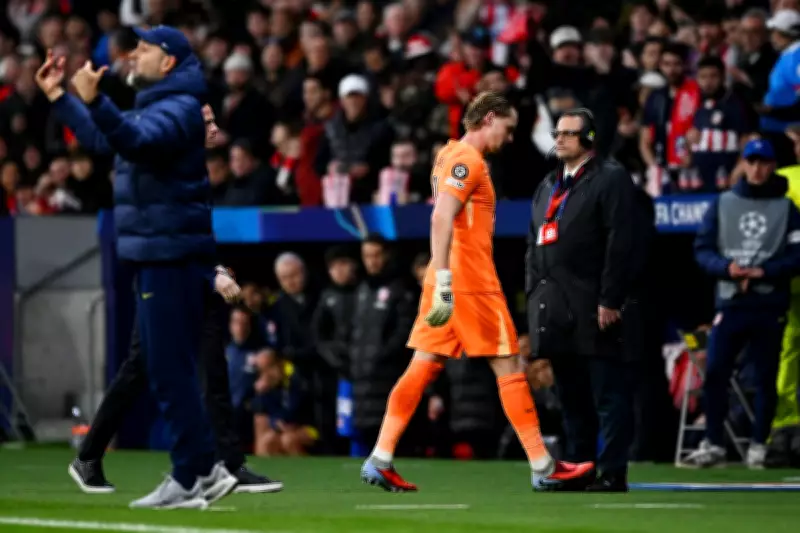
Many Premier League managers might have echoed that sentiment recently, but they had just made critical goalkeeping choices. The theme was set by Igor Tudor and Antonin Kinsky at Tottenham, continued by Rosenior and Filip Jorgensen, and surprisingly extended by Gigi Donnarumma. Donnarumma, viewed as a "Robin van Persie signing" by Pep Guardiola to secure immediate success, struggled in the defeat to Real Madrid. The repercussions of these decisions could ripple beyond the Champions League, potentially affecting relegation battles, title races, and qualification for future competitions.

The Unique Role of Goalkeepers in Modern Football
The goalkeeper's pivotal role has always occupied a peculiar space in football. Numerous coaches privately admit that this highly exposed position is the one they understand least. Some of the sport's greatest managers are infamous for their blind spots regarding goalkeepers, a logical outcome given how few goalkeepers transition into management. Historically, the position has been seen as distinct from the rest of the game, a separate aspect requiring specialized knowledge.
However, the increasing integration of goalkeepers into general play has introduced new complexities. As tactics evolve, goalkeepers are expected to contribute more to build-up and defensive organisation, blurring the lines between their traditional role and outfield duties. This shift is part of the current issue, as managers grapple with balancing technical skills, decision-making, and psychological resilience in their selections.
Broader Implications for the Football Landscape
The goalkeeping chaos in the Champions League underscores a deeper tactical evolution in football. It highlights how managerial decisions in this area can have far-reaching consequences, influencing not just individual matches but entire seasons. As teams strive for success, the pressure on goalkeepers intensifies, making their performances a critical factor in high-stakes competitions.
This week's events serve as a reminder that football's most isolated position is becoming increasingly central to team dynamics, with errors and triumphs alike shaping the sport's narrative in unexpected ways.