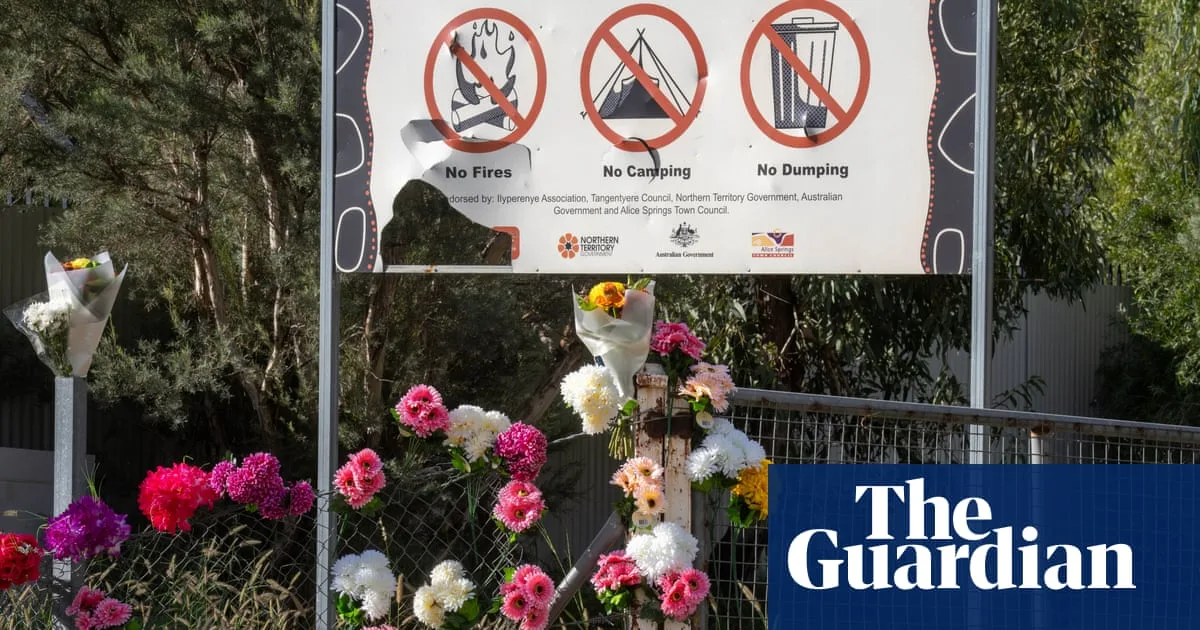
Three child protection workers in the Northern Territory have been stood down pending an investigation into their handling of welfare notifications concerning Kumanjayi Little Baby, a five-year-old Warlpiri girl whose body was found near Alice Springs last week. Child Protection Minister Robyn Cahill confirmed the workers were stood down on Wednesday morning while the investigation examines 'actions taken, or not taken' in relation to the case.
Kumanjayi Little Baby was reported missing by her mother in the early hours of 26 April, about two hours after being put to bed at the Old Timers town camp. A five-day search involving police and over 300 volunteers ended when her body was found approximately 5km away. Jefferson Lewis, 47, has been charged with her murder and other offences.
Minister Cahill told News Corp she initially received assurances there was 'nothing to see here' regarding the girl's case, but a subsequent briefing revealed 'a lot to see there'. She expressed concern about a reluctance to remove Aboriginal children from their homes 'for fear of being accused of creating another stolen generation', stating that this could not be used as an excuse if children were not safe. She has called for an independent investigation by the NT children's commissioner.

Data from the 2026 report on government services shows that as of 30 June 2025, there were 733 Aboriginal and Torres Strait Islander children in out-of-home care in the NT, compared with 90 non-Indigenous children. Indigenous children were removed at over 12 times the rate of non-Indigenous children. Additionally, Australian Institute of Health and Welfare data from 2025 indicated that more than 70% of Indigenous children in out-of-home care in the NT were not placed with Indigenous relatives or kin, the lowest rate in any jurisdiction.
Catherine Liddle, chief executive of SNAICC, the peak body for Indigenous children, called for a separate investigation into how media organisations obtained confidential details allegedly from the child's protection file. She said publishing those details 'only served to demonise a mother trying to keep herself and her children safe'. News Corp reported that Kumanjayi Little Baby had been subject to six child protection notifications in recent months, though these do not necessarily indicate substantiated risk. Liddle suggested the information may have been leaked, eroding trust in the system, and emphasised that the failure lies with government systems, not the family.