A 1976 programme from a women's football match in Manchester highlights the sexist attitudes that once plagued the sport. The document, part of a collection at the National Football Museum, shows how the Football Association's 1921 ban on women playing at member clubs' grounds stifled the game for decades.
The ban, which lasted 50 years, was based on the FA's claim that football was 'quite unsuitable for females'. It forced women's teams to play at non-league venues like Belle Vue speedway stadium, as depicted in the programme. The FA also pressured other sports to refuse hosting women's games, destroying the commercial model of the women's game.
Before the ban, women's football was a profitable spectacle. The first known women's games in 1881 were professional and drew large crowds. The British Ladies Football Club, founded in 1894, played before 10,000 people at Crouch End in 1895. However, the ban created a myth that women's football had never been commercially viable.
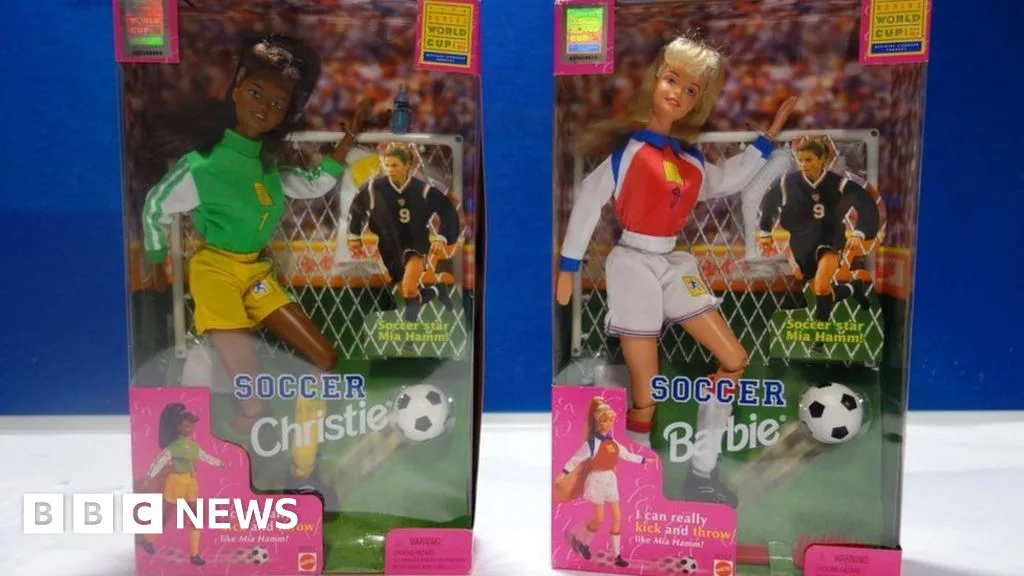
The programme is one of ten objects telling the story of women's football's rise, fall, and resurgence. Other items include a 1991 Golden Boot won by Michelle Akers, the first international women's football star, and a 1999 Barbie doll modelled on US goalkeeper Briana Scurry, reflecting growing commercial interest.
Professor Jean Williams of the University of Wolverhampton notes that the ban's legacy still affects the game today. 'Women's football is still finding its way back from the ban,' she says, as the sport rebuilds its commercial appeal and challenges outdated stereotypes.