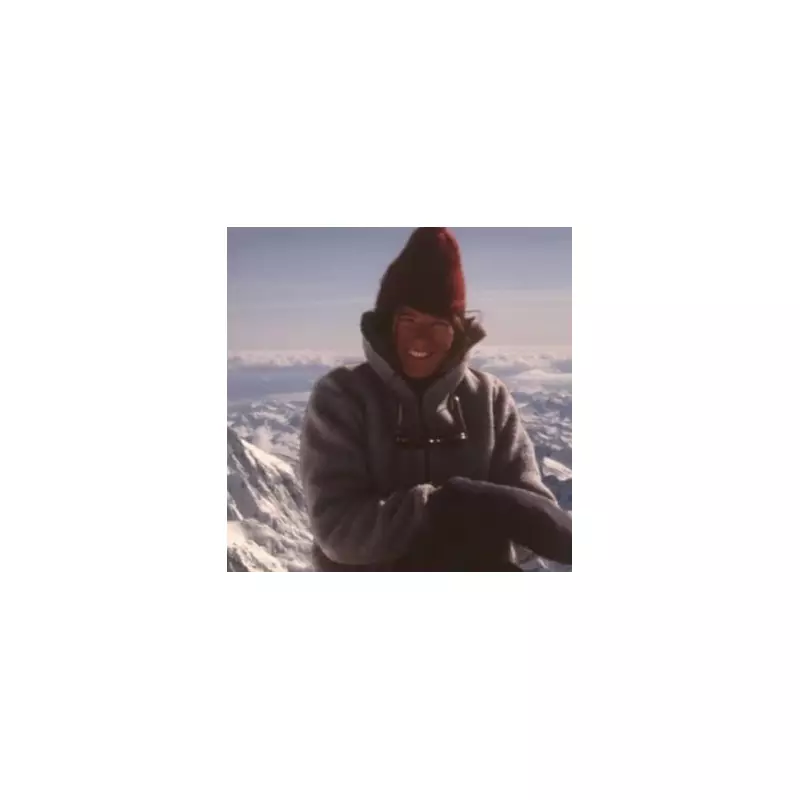
In the spring of 1982, a highly skilled American mountaineer named Marty Hoey arrived on the slopes of Mount Everest with a historic goal in sight. At 31 years old, she was poised to become the first woman from the United States to reach the summit of the world's highest mountain.
A Climber of Exceptional Calibre
Hoey was no ordinary adventurer. She was a professional guide with Rainier Mountaineering Inc and had already summited Mount Rainier over a hundred times. Her impressive resume included ascents of Denali, Pik Lenin, and Nanda Devi, earning her a formidable reputation for sound judgement and steadiness under pressure. As part of an American expedition tackling the challenging North Face via the Great Couloir, she was considered one of the team's strongest and most respected members.
The Fatal Ascent on May 15
By mid-May, the expedition was making its final preparations for a summit push. On May 15, 1982, Hoey was climbing with teammate Jim Wickwire towards the planned site of Camp VI, at an altitude of approximately 26,000 feet. The task involved moving along fixed ropes and hauling equipment—a routine but perilous activity at such extreme height.

In a momentary pause, Hoey stepped aside to let Wickwire pass. It was then that disaster struck. Her safety line came free; subsequent investigations suggested a buckle on her harness was not properly secured. Unclipped from the fixed rope, she slipped and fell instantly down the steep, icy face of the couloir.
Wickwire turned at the sound to see Hoey disappear down the slope. The fall was catastrophic and hundreds of feet long. Despite search efforts, her body was never recovered, lost forever in the mountain's vast terrain.
Aftermath and Lasting Legacy
Hoey's death devastated the close-knit mountaineering community and her expedition team. The loss was so profound that it contributed to the team's decision to abandon their summit attempt. Lou Whittaker, the expedition leader, later reflected that had she survived, the outcome might have been different.
Her tragic death meant the milestone of the first American woman on Everest's summit remained unclaimed for another six years, finally achieved in 1988. The climbing world also mourned the loss of British climbers Peter Boardman and Joe Tasker, who died just days later on Everest's North-East Ridge.
Today, Marty Hoey is remembered not for how she died, but for how she lived—as a meticulous, capable, and deeply committed mountaineer whose legacy is etched into the history of Everest exploration.