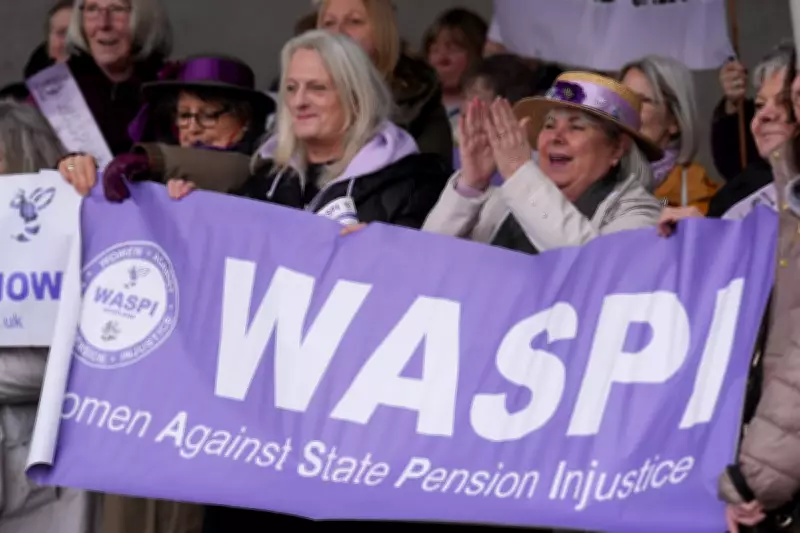
The Department for Work and Pensions is poised to deliver a crucial decision on whether to grant compensation to Waspi women, with an announcement anticipated imminently. Work and Pensions Secretary Pat McFadden is scheduled to address the House of Commons on Thursday, providing an update on pensions that could significantly impact thousands of women born in the 1950s.
Long-Standing Campaign for Redress
Women Against State Pension Inequality (Waspi) have been campaigning for years, seeking redress for the way changes to the state pension age were communicated. The group argues that many women were not adequately informed about the alterations, leading to financial hardship and disrupted retirement plans.
Government Review and Historical Context
In November, Mr McFadden indicated that his department would review a previously-announced policy denying compensation to these women. This review was prompted in part by court proceedings that uncovered a 2007 DWP evaluation, which had resulted in officials ceasing to send automatic pension forecast letters. However, Mr McFadden has cautioned campaigners, offering no guarantees that the review will result in compensation being awarded.

Ombudsman Recommendations and Government Stance
A report by the Parliamentary and Health Service Ombudsman previously suggested that compensation ranging from £1,000 to £2,950 per affected individual could be appropriate, addressing the maladministration in communication. Despite this, in December 2024, the Government acknowledged the Ombudsman's findings and apologised for delays in notifying 1950s-born women, but stated that a blanket compensation scheme—estimated to cost taxpayers up to £10.5 billion—could not be justified.
Campaigners' Hopes and Public Support
Angela Madden, Chair of Waspi, commented on the impending update, noting that ministers are expected to address Parliament at 11.30am today regarding their reconsideration of the Ombudsman's report. She highlighted that in recent weeks, hundreds of MPs have publicly reaffirmed their support for fair compensation, joining millions across the country who advocate for justice for these women.
After months of anticipation, the Government now has a pivotal opportunity to rectify the situation. Campaigners urge ministers to commit to fair compensation for all affected women, warning that failure to do so could undermine public trust and prolong the injustice faced by this group.