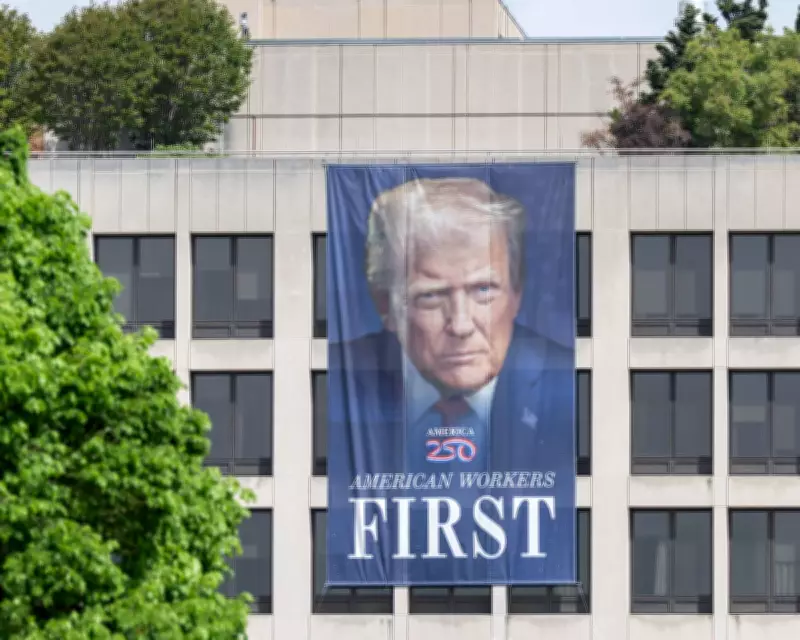
The perception of strength in leadership is often shaped by cultural norms rather than inherent qualities. As one observer notes, "The president appears strong because we have decided that strength looks like this." This statement underscores how societal definitions influence political assessments, particularly in the context of Donald Trump's presidency in the United States.
The Distorted Definition of Strength in American Politics
In the United States, strength is frequently equated with domination: a refusal to yield, apologize, or be corrected. This warped view flattens authenticity into performances of grievance and reduces resolve to the capacity to inflict harm without hesitation. These distortions are not new, but they have grown powerful enough to reshape what is recognized as leadership—what is rewarded, excused, and expected over time.
Trump's Behavior as a Reflection of Cultural Assumptions
Donald Trump did not invent these ideas; he auditions for them. His actions, such as conflicts with Iran and public mockery of religious figures, are ways he conveys strength, learned by watching American society. Real strength, even in its counterfeit form, does not require constant reassurance. Instead, Trump reveals assumptions about power and masculinity that have long operated beneath the surface of American life.

These assumptions are not applied evenly. For instance, individuals from marginalized backgrounds often face stricter discipline and magnified mistakes, making it startling to watch the contrast play out so plainly. It is difficult to imagine a figure like Barack Obama indulging in similar behavior, much less being rewarded for it, or a woman of color surviving it politically.
The Dangerous Consequences of Misguided Leadership
A presidency that treats brinkmanship as proof of strength degrades political culture and risks lives by inviting conflict and catastrophe. It turns serious decisions into petty performances of will. The first American pope has denounced the "delusion of omnipotence" fueling conflicts like the US-Israel war against Iran, insisting that peace represents moral clarity, not weakness. Trump's dismissal of such positions reveals more about the receiving culture than the argument itself.
Lessons from Hungary's Viktor Orbán
Hungary's strongman, Viktor Orbán, recently faced defeat, but his ideas live on in the White House. His case shows that autocrats may rise but are not invincible. The reckoning comes when the public stops recognizing them as strong, though this often occurs late and at a steep cost. In the US, many Americans absorb, explain away, or even admire behavior that would once have disqualified a president, seeing it as evidence of fitness rather than unfitness.
Personal Reflections on Authentic Strength
The strongest men known to the author did not behave like Trump. They practiced restraint, empathy, and apology without fear of appearing weak. They understood that cruelty is not strength, a lesson learned at home, on the job, or in service. For some, this understanding was a matter of survival, not just character, as confusing cruelty with strength could have dire consequences.
Ultimately, the problem extends beyond Trump's unfitness for office. It lies in the cultural confusion that supports his conduct, making it most dangerous when it meets real power. As the US grapples with these issues, the need for a reevaluation of what constitutes true strength becomes increasingly urgent, echoing global lessons from figures like Orbán.