Putin Faces 'Operation Twilight' Coup Plot from Disgruntled Russian Elites
Putin Faces 'Operation Twilight' Coup from Russian Elites

Putin Confronts 'Operation Twilight' Coup Threat from Disaffected Elites

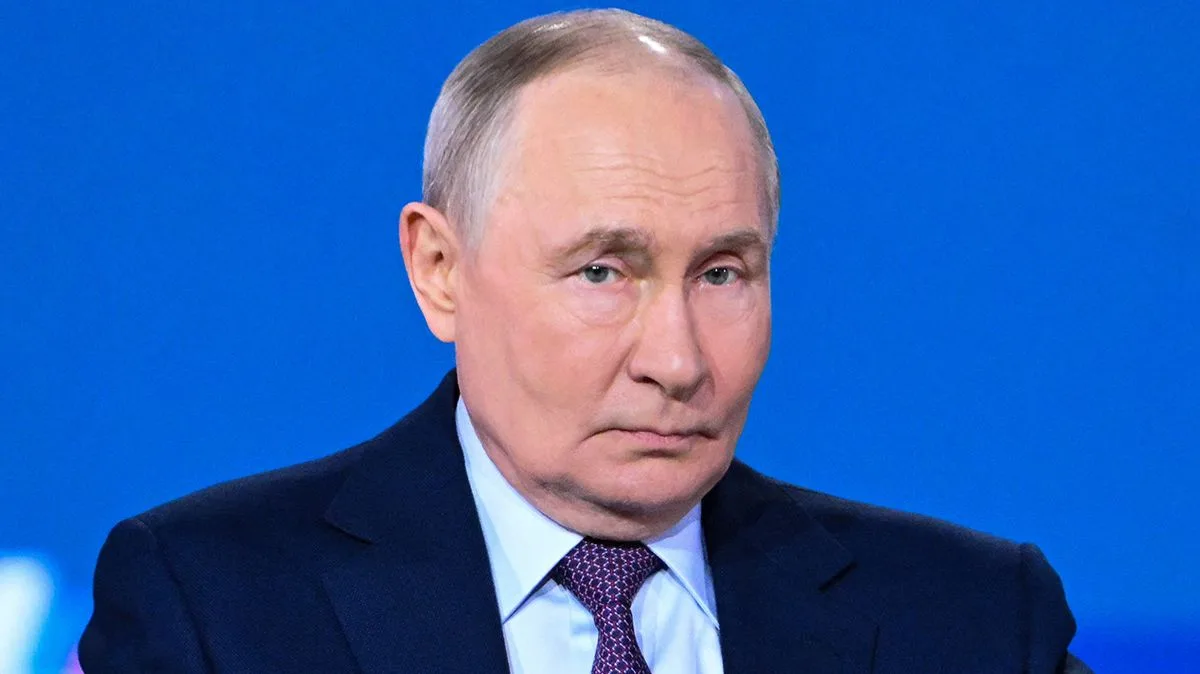
Vladimir Putin is reportedly facing a severe internal threat as discontent among Russia's economic, political and military elites escalates, with a potential coup operation codenamed 'Operation Twilight' said to be in the works. According to intelligence reports originating from Estonia, the Russian leader is in what experts describe as a "very dangerous situation" as key figures who traditionally support his regime turn against him.

Elite Dissatisfaction Reaches Critical Levels

Russian dissident Igor Eidman has revealed to The Sun that for the first time in decades, the interests of Russia's ruling elite "fundamentally do not align with the dictator." This represents a significant shift in the political landscape that has sustained Putin's power for over two decades. The oligarchs and business magnates who formed the bedrock of Putin's control have seen their fortunes dramatically diminished since Russia's invasion of Ukraine and the subsequent imposition of international economic sanctions.

Maksim Kalashnikov, a prominent Russian political activist and war hardliner, has openly acknowledged that elites are turning against Putin. "Now our ruling class view the current top leadership as a toxic figure - not even an asset, but a liability," Kalashnikov stated. He further explained that these elites "very much want this war to end, for the return of the old good times, when one could freely travel to the West, not fear sanctions, sell hydrocarbons, and regain the European market."

Wide Pickt banner — collaborative shopping lists app for Telegram, phone mockup with grocery list

Financial Pressures and Military Demands

The financial burden of Russia's ongoing war in Ukraine has created unprecedented pressure on the country's wealthiest individuals. With defence spending reaching an astonishing £144 billion in 2025, Putin has increasingly turned to oligarchs for donations to sustain military operations. Eidman described how these elites "lived relaxed, comfortable lives of the wealthy" but now find themselves "under constant stress" due to persistent budget deficits and relentless demands for additional funding.

Corporations are being compelled to recruit employees, establish private military companies, and push workers into signing military contracts. According to Eidman, "the demands never stop" as the war continues to drain resources. This constant pressure has fundamentally altered the relationship between Putin and the business class that once formed his most reliable support base.

War Fatigue and Political Calculations

Many within Russian elite circles now perceive the war as having reached an impasse, with no clear path to victory. Grigory Kubatyan, a war correspondent for Putin's favoured newspaper Komsomolskaya Pravda, has publicly acknowledged that Russia's vast army is failing and that peace negotiations are necessary to end the conflict. "The war must be won or ended to save lives," Kubatyan stated. "Over the past four years, we haven't been able or didn't want to win. So we'll have to negotiate. It's impossible to wage war indefinitely."

This sentiment reflects growing recognition that the human and economic costs have become unsustainable. Kubatyan emphasized that Russian soldiers "are human beings, and they need rest," highlighting the physical and psychological toll of prolonged conflict.

The 'Operation Twilight' Scenario

The alleged 'Operation Twilight' coup plot represents the most dramatic manifestation of elite dissatisfaction. Reports suggest that rather than a violent overthrow, the operation might involve staging Putin's death and forcing him into lifelong isolation, allowing elites to reclaim control without the political instability of an assassination. This approach would theoretically enable a smoother transition while removing what many now view as a liability to their financial interests and international standing.

The situation represents a profound shift in Russian power dynamics, with economic self-preservation now potentially outweighing political loyalty to Putin. As sanctions continue to bite and military demands escalate, the alliance that has sustained Putin's regime appears increasingly fragile, creating what analysts describe as the most significant internal threat to his leadership in decades.

Pickt after-article banner — collaborative shopping lists app with family illustration