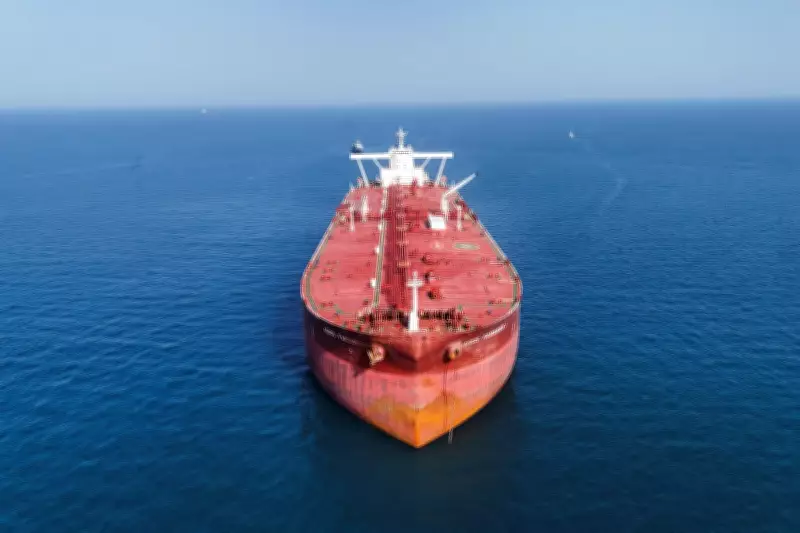
In a significant development in the ongoing conflict between the United States, Israel, and Iran, oil tankers have recommenced passage through the Strait of Hormuz, a crucial global shipping lane for petroleum products. This movement marks the first substantial transit of vessels in the waterway since hostilities erupted seven weeks ago, offering a tentative breakthrough in the regional war.
Resumption of Maritime Traffic
According to data from MarineTraffic, a group of four liquefied petroleum gas carriers, along with several oil product and chemical tankers, navigated through Iranian waters south of Larak Island. Additional tankers are reported to be following from the Gulf, indicating a gradual return to normal operations in the strait, which handles about one-fifth of the world's oil shipments.
Ceasefire Agreement and Iranian Warnings
The reopening follows a separate ceasefire agreement brokered between Israel and Lebanon on Thursday, which prompted Iran to allow transit through the strait. However, the situation remains precarious. Mohammad Baqer Qalibaf, Iran's speaker of parliament, issued a stern warning, stating that the strait would not remain open if the United States continues its blockade on Iranian ports.

This caution underscores the fragile nature of the current truce, as geopolitical tensions simmer beneath the surface.
Trump's Stance on the Ceasefire
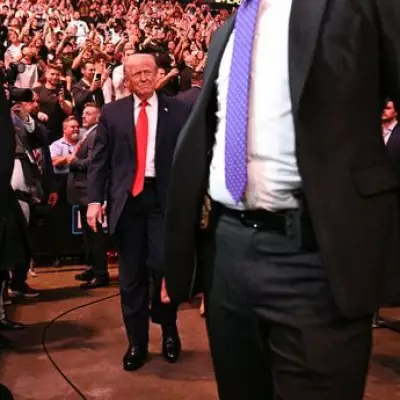
Former US President Donald Trump, involved in the negotiations, indicated that talks with Iran would continue over the weekend. He suggested he might not extend the ceasefire beyond Wednesday, affirming that the blockade on Iranian ports would persist and threatening renewed military action if necessary.
This hardline position adds uncertainty to the prospects for a lasting peace, as both sides appear entrenched in their demands.
Implications for Global Oil Markets
The resumption of tanker traffic through the Strait of Hormuz is likely to provide some relief to global oil markets, which have been volatile due to the conflict. However, analysts warn that the ongoing US blockade and potential for renewed hostilities could quickly reverse any gains, keeping prices sensitive to geopolitical developments.
As the situation evolves, stakeholders are closely monitoring diplomatic efforts and military postures in the region.